Three-day route ideas
A compact visit needs a narrow focus and an honest count of full days.
A clear route before a longer list
Start with useful days and two priorities. Then match the gateway, hotel nights, transport and budget so your Hokkaido itinerary works from the first arrival to the final airport journey.
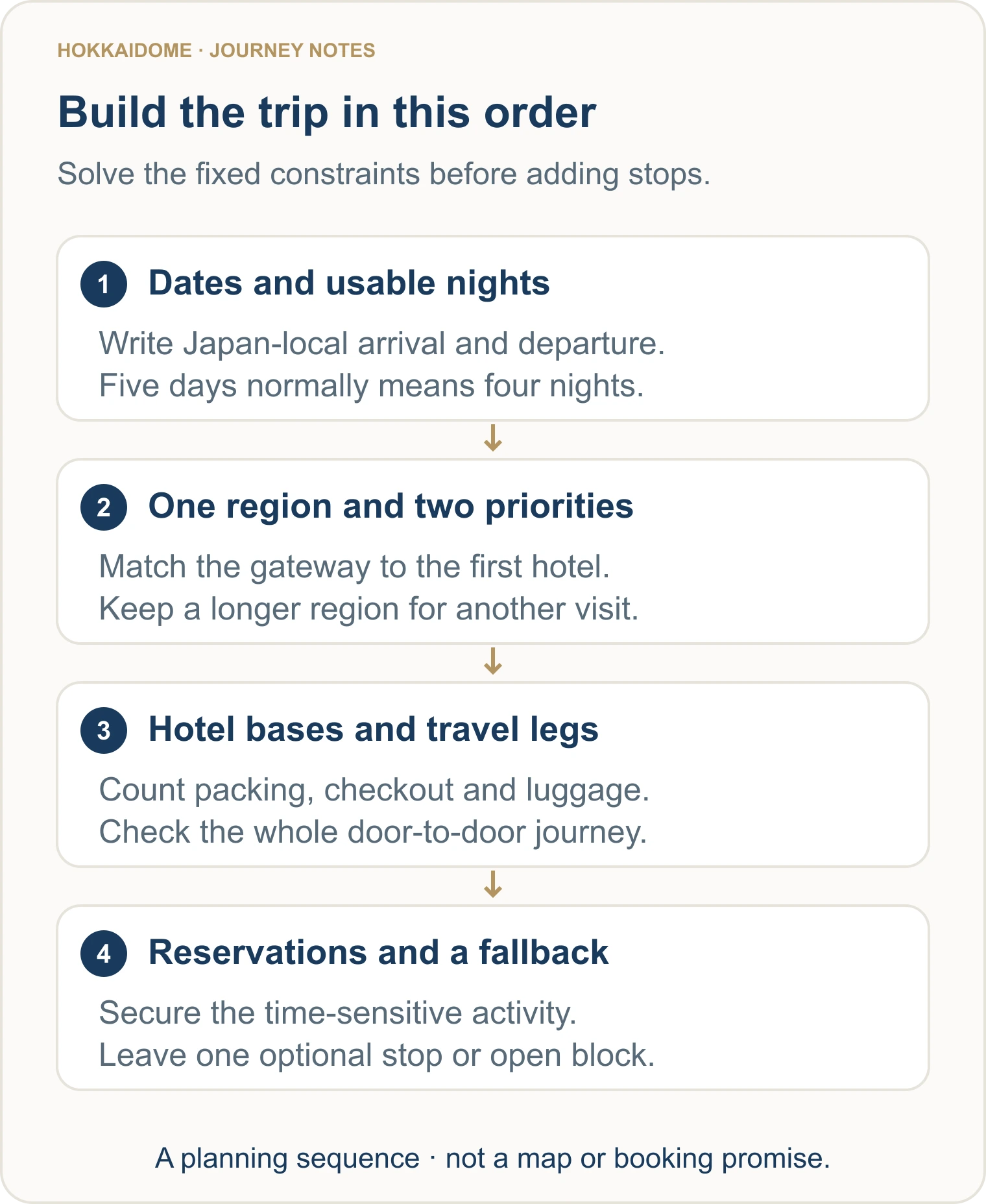
Begin with a blank list of nights, not a map full of saved places. Write the local arrival time in Japan, the departure time and the hotel nights between them. A five-day holiday with an evening arrival and morning departure has three full sightseeing days. Treating it as five complete days is how an attractive route becomes a series of rushed connections.
Next choose two priorities: perhaps a city food trip and Otaru, a flower-focused countryside stay, or a southern port-city visit. Put those priorities into one main region before adding a third. Hokkaido’s destinations are spread out, so each additional base has a cost in packing, checking out and travel time.
This page is a planning method. Once you know the shape of the trip, the linked itinerary guides provide more detailed examples. You can use scheduled transport, a rental car or selected private journeys; the right combination follows the route and the people travelling.
| Main interest | A useful focus | Decision before adding it |
|---|---|---|
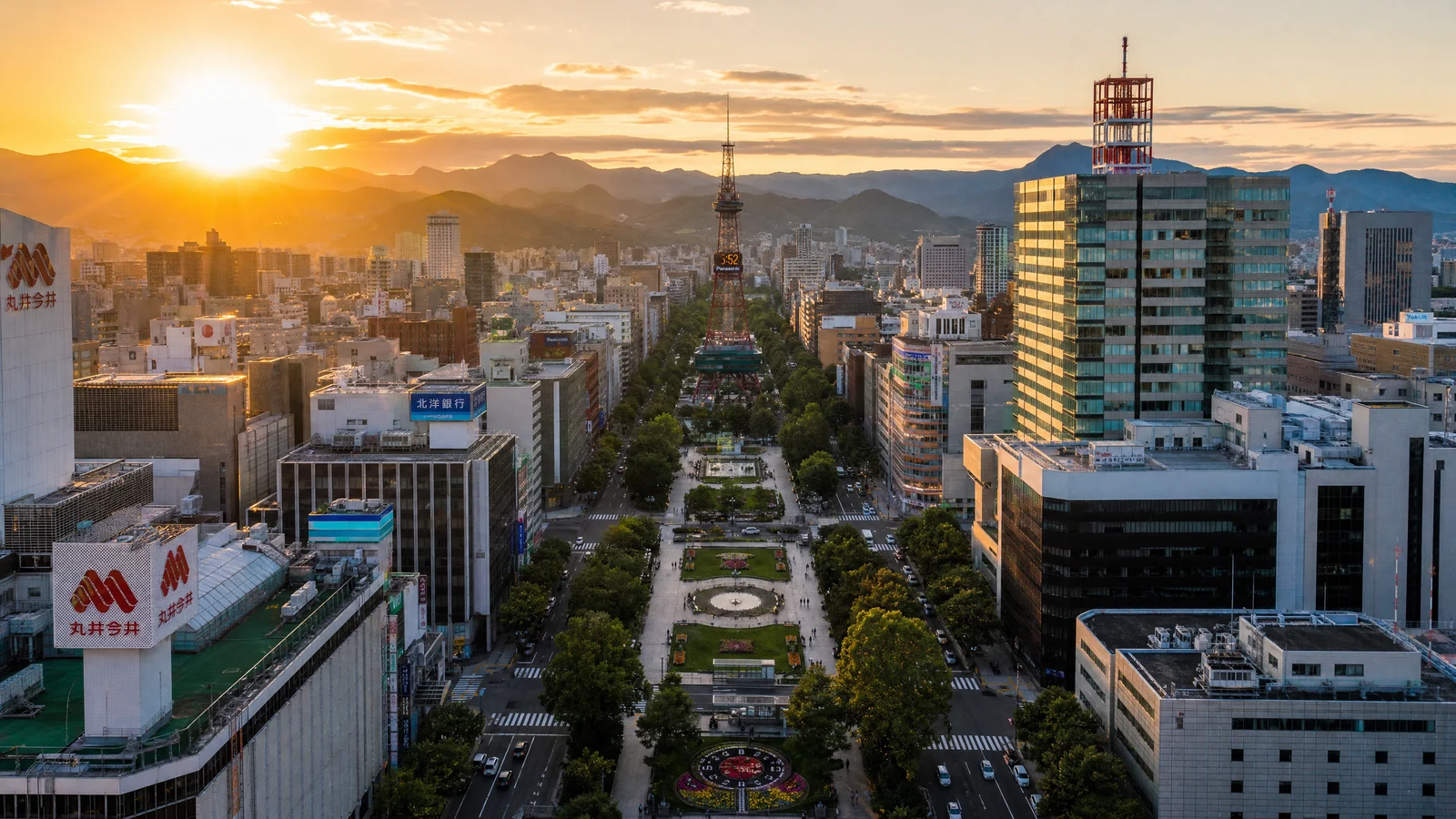
| City food, shopping and a first visit | Sapporo with a focused Otaru outing. | Choose a hotel whose local transport or pickup approach fits your days. |
| Flowers, countryside and a zoo priority | Furano, Biei and Asahikawa, with selective stops. | Compare a nearer base and gateway against repeated long day trips. |
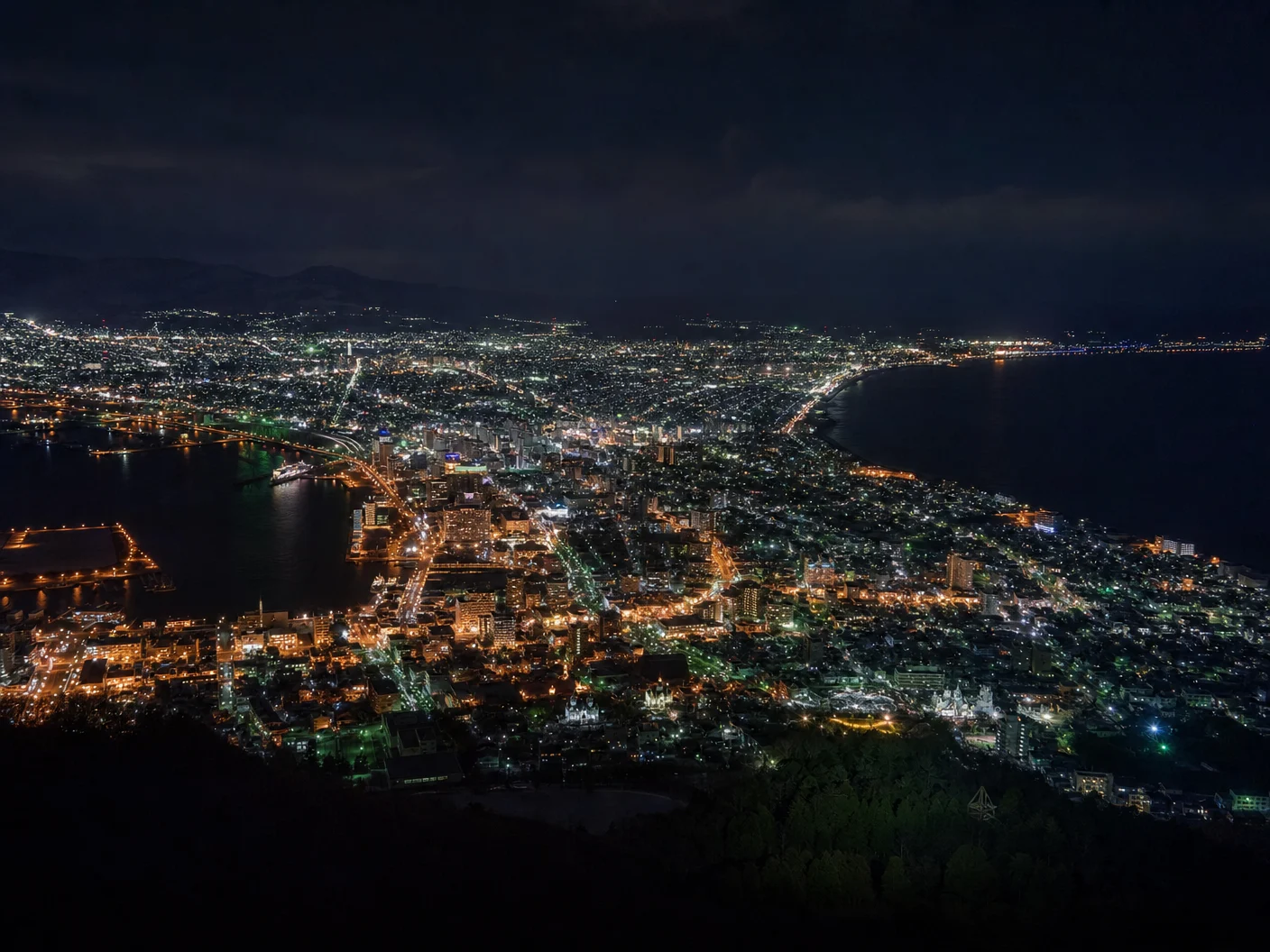
| Port history, city scenery and southern travel | Hakodate and a manageable southern route. | Check whether arriving or leaving in the south removes unnecessary backtracking. |
| Wildlife, national-park landscapes and eastern travel | A dedicated eastern-Hokkaido itinerary. | Allow enough regional nights and check seasonal access instead of attaching it to a short Sapporo break. |
These are planning clusters, not fixed packages. Choose the actual accommodation area within each one. A station-area hotel, a rural guesthouse and a remote hot-spring property can create very different travel days even when all are described with the same regional name.
Compare the first and last nights against available flights. The Hokkaido access guide explains gateway choices and rail arrivals. An open-jaw journey can remove backtracking, but it only helps if the actual flights, baggage and onward connections work. Make that comparison before booking the hotels at either end.
A simple first draft might use three or four nights in one city base. With five or six nights, consider a second base only when it improves access to a priority experience. With seven to nine days, you can explore one broader region in more depth; you still do not need to cover the whole island. These are editorial starting points, not minimum stays or limits.
Write a line for every hotel night. A transfer day should name the departure hotel, bags, transport, possible sightseeing and arrival hotel. If the line is already full before lunch is considered, remove a stop. Do not use “travel to Furano” or “return to Sapporo” as though moving the whole group were a minor footnote.
Keep the night before departure within a route you can confidently complete for the actual flight. The right choice depends on the airport, time and season. Work backwards from the airline’s requirements and add the ground journey; a sightseeing day should not run right up to check-in.
A compact visit needs a narrow focus and an honest count of full days.
Compare a central-Hokkaido outline after choosing your season and base.
Use extra nights to improve the pace rather than automatically adding distant regions.
| Method | Useful when | Check on the actual itinerary |
|---|---|---|
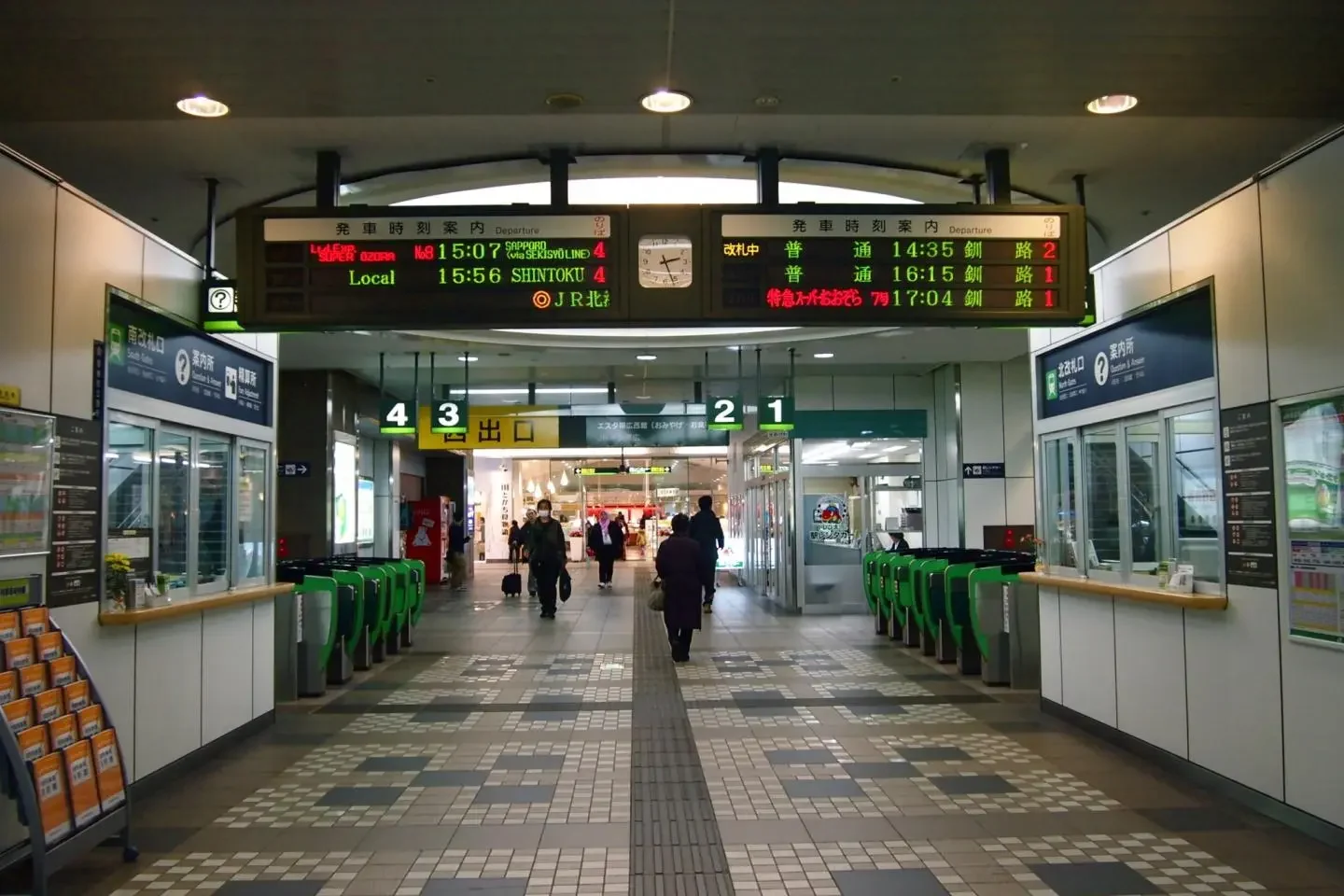
| Rail and local transport | Your main destinations connect conveniently and the group manages its own bags. | Service dates, transfers, reservations where required, last local connection and the walk to the entrance. |
| Rental car | You want independent rural travel and can confidently drive in the expected conditions. | Licence eligibility, pickup and return, parking, luggage, insurance terms and the season’s road conditions. |
| Private car and driver | The group needs a coordinated rural day, hotel change, child seats or door-to-door travel. | The whole party and bags, agreed route and hours, inclusions, waiting and the exact vehicle configuration. |
| A mixed plan | Some days are convenient independently but one or two journeys are awkward. | Avoid paying for an idle vehicle or buying a pass that does not match the days you actually travel. |
Use JR Hokkaido’s current information for the actual rail legs, then check local connections separately. Compare rail-pass conditions only after the journeys are known. A station name that matches a region is not evidence that the rural attraction is within an easy walk.
If you are considering a winter rental, read the winter-driving guide and decide whether the conditions fit your experience. A private driver can remove the task of driving, but snow and closures still affect a journey. Keep arrival and departure days simple whichever method you choose.
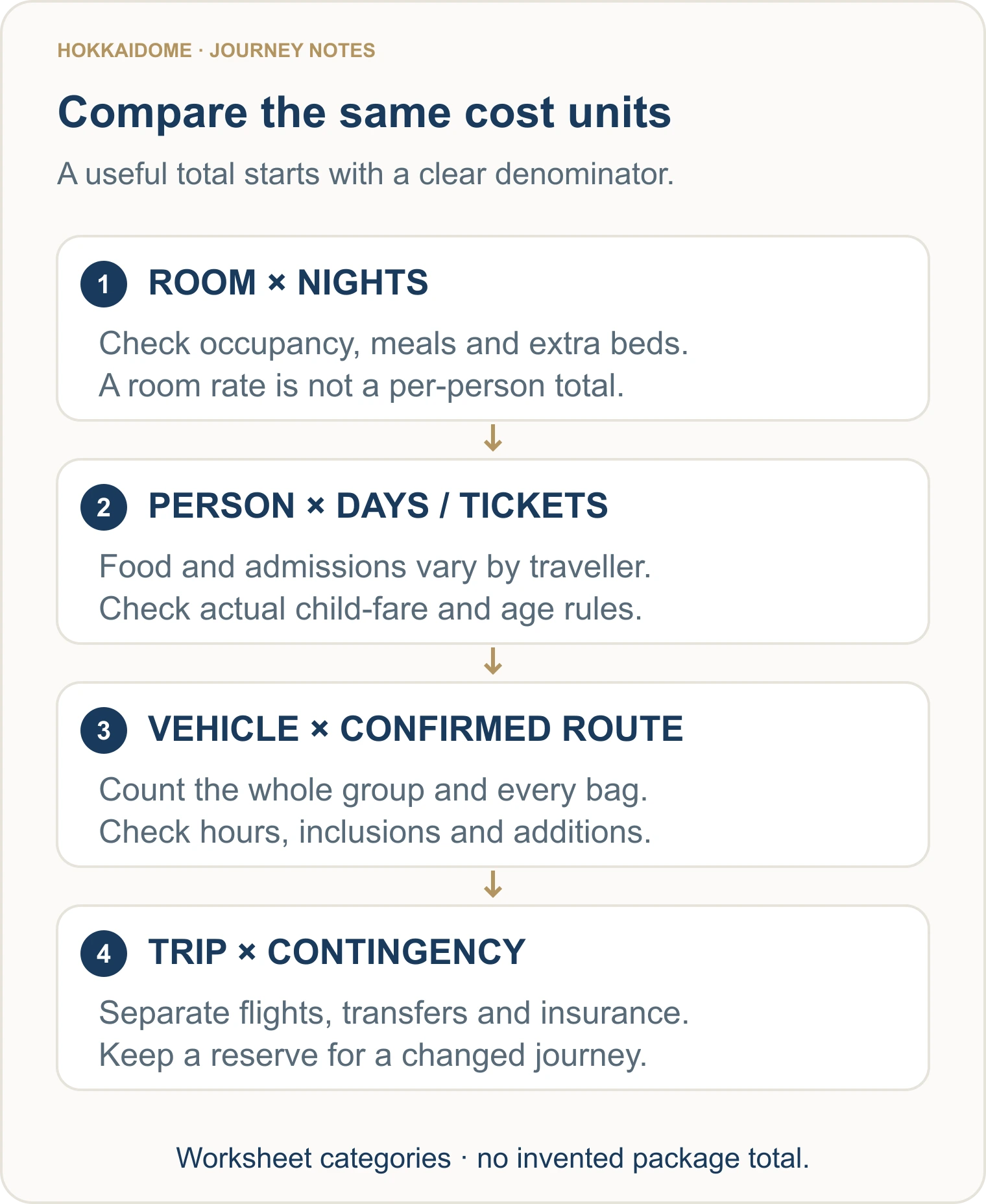
A useful budget separates four kinds of cost. Accommodation is usually a room-and-night decision; admission and many transport tickets are per person; a charter quote is for a specified vehicle and route; contingency belongs to the whole trip. Write the quantity next to each amount before comparing options.
For example, a group train comparison includes every person’s fare, station access and the final connection. A private-car comparison uses the full group in the correct vehicle, agreed hours, tolls, parking and any separate charges. An airport-transfer rate is not the price of a sightseeing day with several stops.
Check the published HokkaidoMe price guide, then request a route-specific written quote where needed. Keep hotel meals, attraction tickets and your own accommodation visible in the budget. If a quote leaves an inclusion unclear, resolve that before treating it as the lower-cost option.
First identify the fixed items: flights already bought, an event date or an experience with limited reservation times. Check the accommodation and transport that connect them before committing to the rest. Then book the parts that truly need advance arrangements. Review each provider’s cancellation and change conditions as part of that decision.
Keep one working brief that everyone in the group can read. Use Japan-local dates, full hotel names and complete pickup addresses. Put booking references and personal documents in your own secure storage rather than a public itinerary. A compact brief makes it easier to spot a missing night or an impossible connection.
For every main day, write one weather alternative and the stop you would remove first. Check the operator notices again shortly before travel. A flexible city visit is a better substitute than moving the entire party across the island to rescue one photograph.
For help with selected private days, send those details in the form below. Our team plans in English; drivers assist with conversational English and translation apps. Specialist guiding is separate. Families can use the five-day kids’ vacation guide to test the pace; the seasons guide helps match the route to the experience.
Write down Japan-local arrival and departure times, usable full days, hotel nights and two priority experiences. Choose the main region next. Compare gateways and transport only after the first and last nights make sense. This prevents a cheap flight or a distant attraction from deciding the entire route.
That depends on the region and the amount of travel you enjoy. Three or four nights can suit a city base and selected outings. More nights can support a second base or a deeper regional stay. Count full days separately from arrival and departure, and use the linked three-, five- and seven-day examples for possible route shapes.
Match the airport to the first hotel and main region. New Chitose often suits a Sapporo-focused trip; other airports can be worth comparing for a southern, central or eastern focus. Check actual flights, ground transport and the departure leg together. The airport name alone does not establish a convenient onward journey.
Yes, particularly for a city-based trip with convenient rail and local connections. Rural sightseeing requires closer attention to the last leg, service dates and return times. You can combine scheduled transport with a private day or hotel transfer instead of choosing one transport method for the whole holiday.
Choose the actual train journeys first, then compare the appropriate pass conditions and total ticket costs. Include route coverage, travel dates, any reservation requirements and local transport outside the pass. A pass is a way to pay for qualifying travel, not a reason to add unnecessary hotel moves.
Separate costs by room and night, person and ticket or day, vehicle and confirmed route, then allow contingency. Compare quotes with the same passengers, bags, hours, inclusions and endpoint. Do not compare a per-vehicle charter rate directly with one person’s rail fare or treat an airport transfer as a sightseeing day.
Those places belong to different travel clusters. A short trip is usually more satisfying when it concentrates on fewer regions. If all are essential, add time and consider different arrival and departure gateways. Build in the hotel changes and full transport legs rather than assigning one destination to each day on paper.
Yes. Send your fixed flights and hotels, priority experiences, passengers, luggage and the specific days or transfers you need. We can discuss a selective private route and confirm availability and price in writing. You can keep other city days independent; an enquiry does not create a confirmed reservation.
Reviewed 20 October 2026. Night counts, booking order and budgeting examples are HokkaidoMe editorial planning suggestions. They are not a rail timetable, package price or guarantee of access. Check the official sources for your actual dates.
Plan it with HokkaidoMe
Share fixed flights, hotel names, the days you need help with, and your priority experiences. Include passengers, luggage and any timing or walking requirements.
We reply in English with availability and a personalised quote. A form enquiry does not create a confirmed reservation.