Green season
Prioritise a park, farm, countryside view or another outdoor interest with time to enjoy it. Check the actual bloom and opening reports rather than assuming every flower image represents your date.
Families · Friends · Several generations
Give the people as much attention as the places. Choose the right number of hotel bases, leave room for meals and rest, and match transport to every traveller and bag.
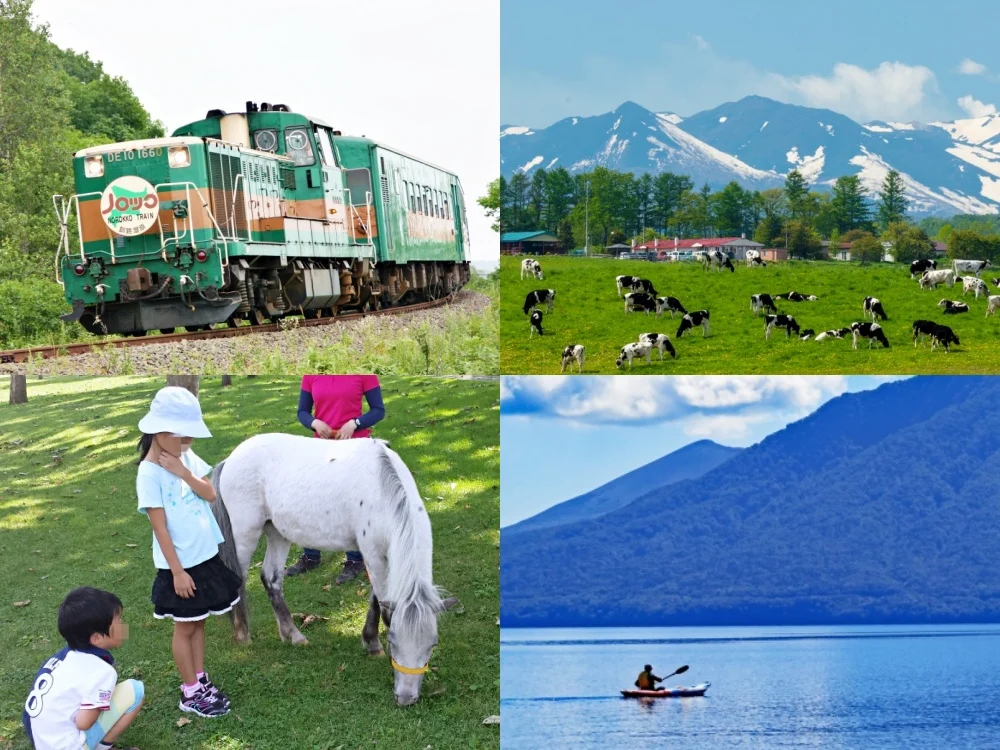
A Hokkaido family trip works best when the route reflects who is travelling. A toddler who naps after lunch, a teenager who wants a full ski day and a grandparent who prefers short walks need different plans. Begin with those needs and two shared interests; then choose the season, nights and hotel bases that let everyone enjoy them.
The same approach helps a group of friends or several households. Agree which experiences are genuinely shared and which are optional. One coordinator can collect the practical details, but the whole party should understand the plan before bookings are made. A smaller core itinerary is easier to adjust than a day already committed to a long list of timed stops.
This guide is the starting point for transport, bases, seasons and a useful booking brief. For a more detailed day-by-day children’s plan, continue to our Hokkaido with kids guide. For a larger party, use the 6–20-person group guide alongside an individually confirmed vehicle arrangement.
| Plan | Why choose it | What to account for |
|---|---|---|
| Sapporo as one base | A short visit with city interests and an optional day trip. | Check the real station or pickup access, room layout and nearby meals. Long day trips still use substantial road time. |
| Sapporo plus Furano / Biei | A countryside-focused green-season block. | Move once and allow enough nights to use the area. Carrying all bags changes the vehicle brief. |
| Sapporo plus a ski resort | City time followed by a focused snow stay. | Match the resort hotel, lessons, rental equipment and transfer before confirming a tight schedule. |
| A southern or eastern focus | The region itself is the main reason to travel. | Compare a suitable arrival airport and local bases instead of treating every region as a Sapporo day trip. |
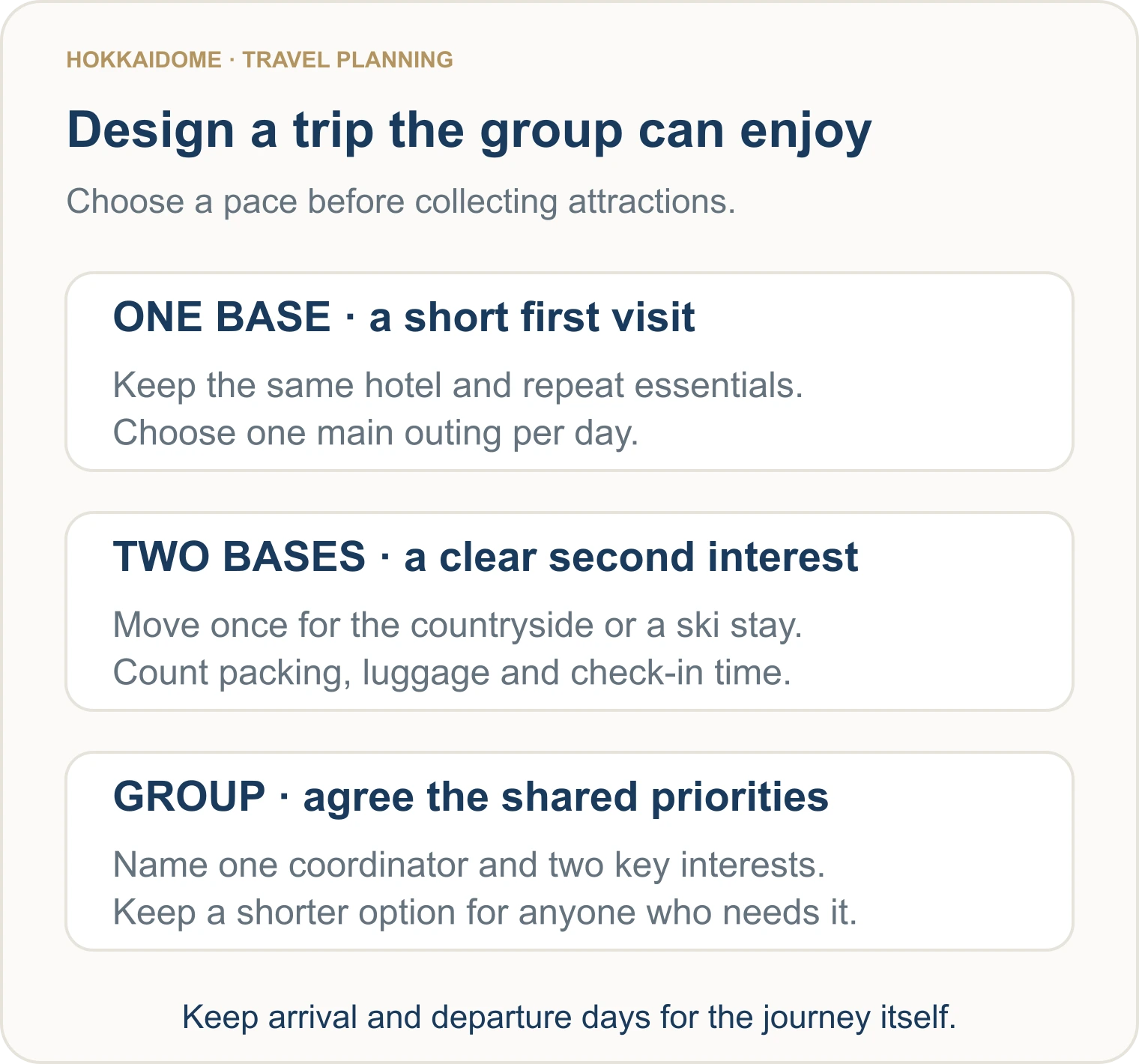
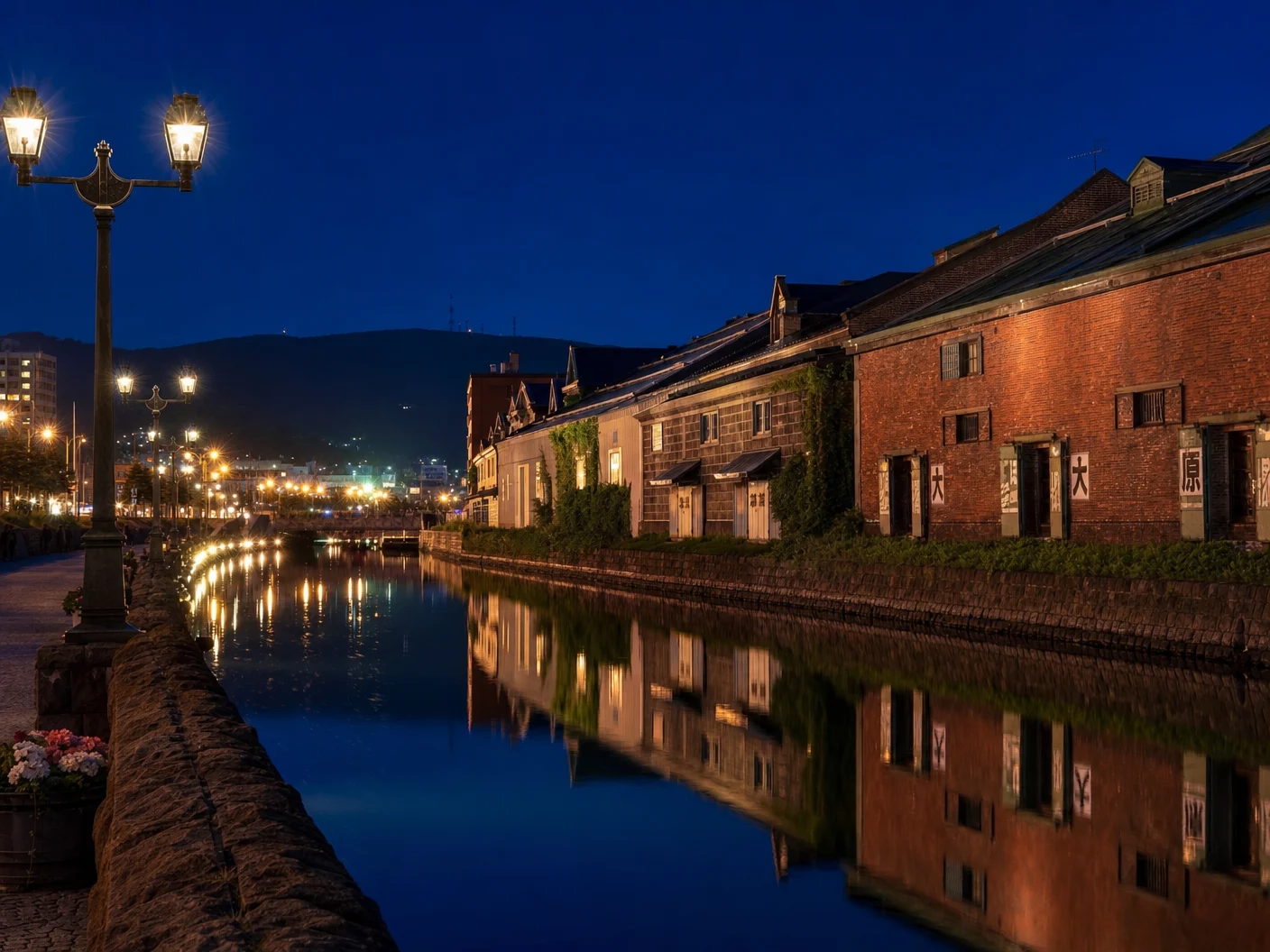
For a short first visit, one hotel can remove repeated packing and the uncertainty of new room arrangements every night. A Sapporo day can include one main outing, a proper meal and an early return. On another day you can choose a focused Otaru visit or a different interest, keeping an option for anyone who wants a shorter outing.
Two bases make sense when the second area is worth staying in. For example, several countryside nights can leave more time near the places you want, rather than driving back to the city after every visit. Treat the hotel move as a travel day with selected stops, not as a complete sightseeing day with packing invisibly added on top.
For a five-night holiday, a planning example might keep three nights in Sapporo and two in a chosen second area. That is an illustration of reducing moves, not a prescribed booking. Compare the flight times and required transfer before assigning the nights. A late arrival or early departure can make a single-base version more comfortable.
Prioritise a park, farm, countryside view or another outdoor interest with time to enjoy it. Check the actual bloom and opening reports rather than assuming every flower image represents your date.
Choose the snow experience first, then check the provider’s dates, age or height rules, equipment and weather policy. Add warm breaks and keep another option if the activity cannot operate.
Keep a nearby indoor interest and a shorter walking version of the plan. A buffer lets the group finish comfortably when rain, snow or fatigue changes the day.
Use the official family activity directory to explore choices by region. A listed attraction is a starting point for checking the current conditions, rather than a promise that every workshop or animal activity is available whenever you arrive.
At Shiroi Koibito Park, compare a general visit with the particular experience you want. The park has an official reservation system for experiences; check the chosen product, required admission and cancellation conditions before promising a workshop to children. Do not infer a place from a general park ticket alone.
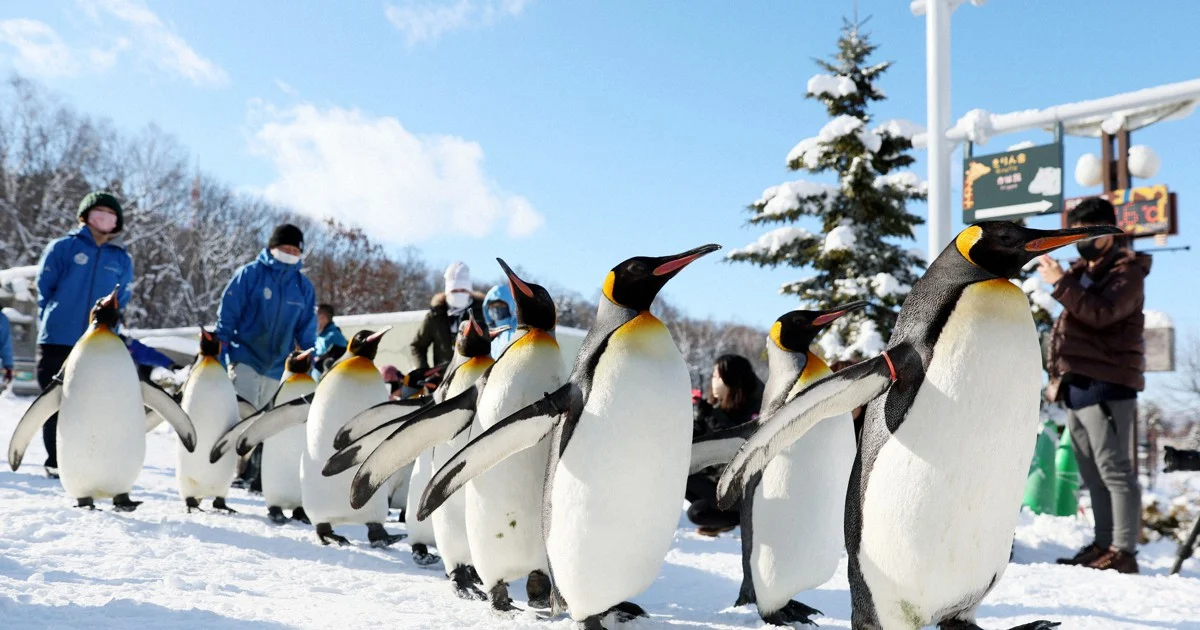
For Asahiyama Zoo, check the official opening calendar and the current animal programme. The winter penguin walk depends on the season and operating conditions, so a photograph from a previous winter is not a guaranteed appointment. If the zoo is the priority, give it proper visit time and trim the countryside list.
Ski lessons, rafting, horse activities and similar experiences each need their own provider confirmation. Ask about the actual ages, ability, language, equipment and participation conditions. A private vehicle provides the journey; it does not establish that an activity is suitable for every family member.
| Journey | An option worth comparing | What changes the decision |
|---|---|---|
| Airport to a city hotel | Rail, a suitable bus or a pre-arranged car. | Arrival time, final walk, all luggage, stroller and child-seat needs. |
| A Sapporo city day | Walking and suitable public transport, or a tailored vehicle day. | Hotel location, mobility, the particular attractions and return plans. |
| A countryside day | A focused private route or a suitable scheduled tour. | Time on the road, visit length, group pace and booking conditions. |
| A hotel change | A direct transfer or selected sightseeing on the way. | Every bag travels with you; agree stops, loading and finish time. |
A private car can keep a family together and make a hotel entrance easier to reach, but it does not remove the time between distant places. Nor does every urban day need a full charter. Price the journeys you need rather than buying the same transport arrangement for every day by default.
For an arrival in Sapporo, use the New Chitose Airport transfer guide. Its airport-to-city one-way vehicle fares are separate from a sightseeing charter. For a dedicated day, the Sapporo private-driver guide explains route choices and current starting prices.
For a larger group, avoid assuming “one vehicle, any party size”. Several vehicles may be needed, with coordinated meeting points and loading. Give every household the same departure time and the same hotel entrance. If people plan separate activities, establish who travels in which vehicle and how they rejoin before the day begins.
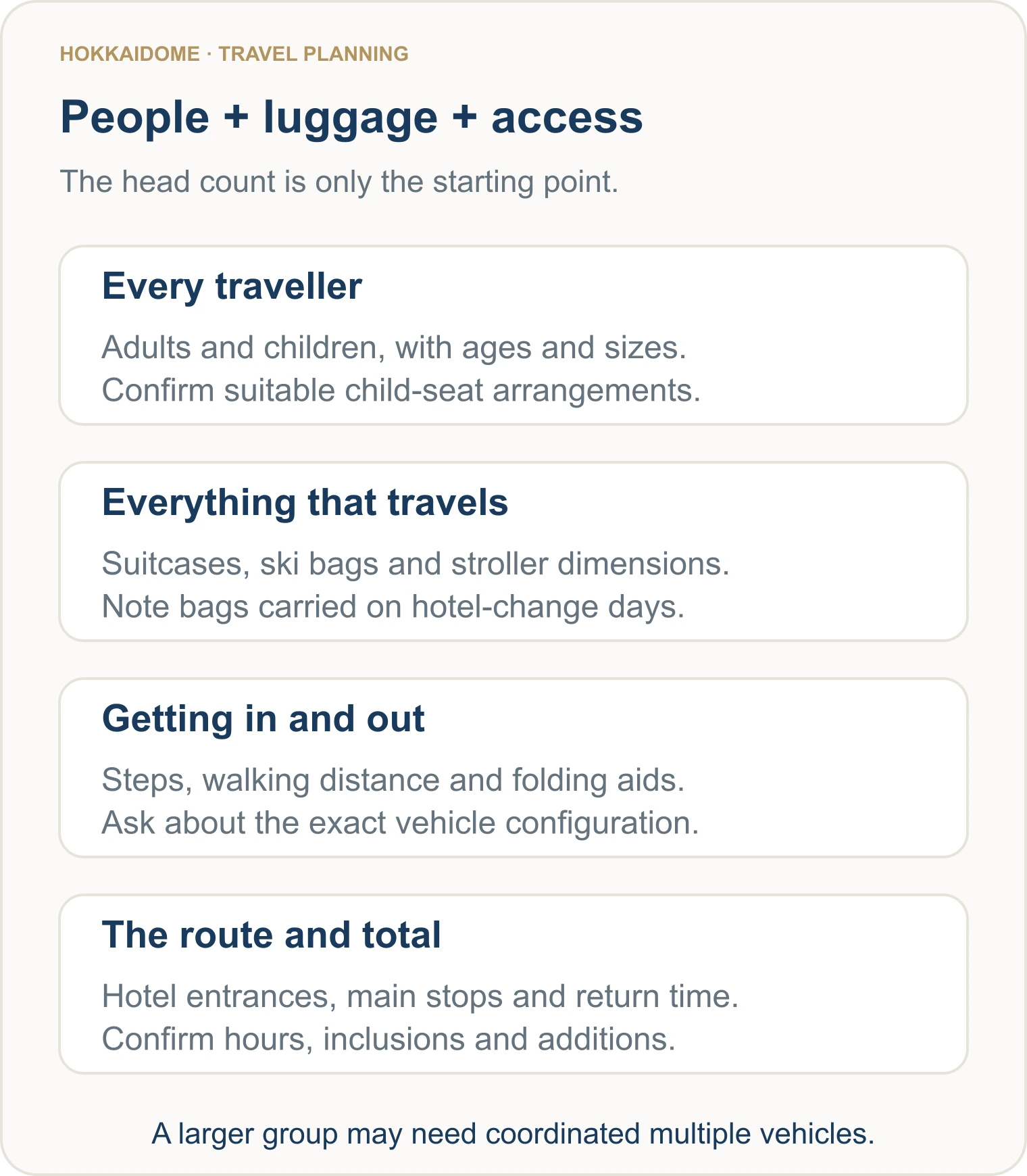
Count every adult and child, then list the child-seat requests and luggage. A useful brief includes the number of large and cabin cases, stroller dimensions and any ski bags. A hotel-change day usually carries more luggage than a day trip returning to the same property. That difference can change which vehicle is suitable.
The Alphard, Standard HiAce and Luxury HiAce offer different layouts. The model name alone does not confirm how many travellers fit with your bags. Child seats take space too. Send the complete brief before choosing purely on a published seat maximum or the lowest price, and ask for the configuration to be confirmed in writing.
Japan’s National Police Agency advises using a child seat suited to the child’s size and fitted securely. Share ages and sizes in advance and confirm the arrangements for the actual booked service. Do not leave a child-seat request until the vehicle arrives.
For a traveller who needs help with steps or walking, explain the practical requirement rather than using “accessible” as a catch-all. Can they transfer into a normal seat? Does a mobility aid fold, and what are its dimensions? A normal car or van should not be assumed to have wheelchair boarding. Confirm vehicle and attraction access separately before booking.
Choose one main outing and a flexible second interest. Write meal, toilet and rest breaks into the plan before adding another attraction. The important question is how long the group will enjoy the visit, not whether a navigation app says the car can reach the next place.
For young children, keep an option to shorten the afternoon. For older travellers, consider the walk from parking, stairs and whether there is a comfortable place to wait if part of the group walks farther. Agreeing these details can allow different energy levels without making everyone feel they have missed the day.
A coordinator should collect food allergies and dietary requests for the relevant providers, then confirm what each restaurant can actually accommodate. Do not assume the driver or a last-minute translation can establish that a meal is suitable. See the food-allergy and dietary planning guide for the questions to prepare.
Hotel checks deserve the same care: actual occupancy, bed arrangement, cot availability, laundry, meals, entrance access and the property’s children’s policy. A “family room” label does not settle those details. Check the rate’s own cancellation conditions and whether bags can be held before check-in.
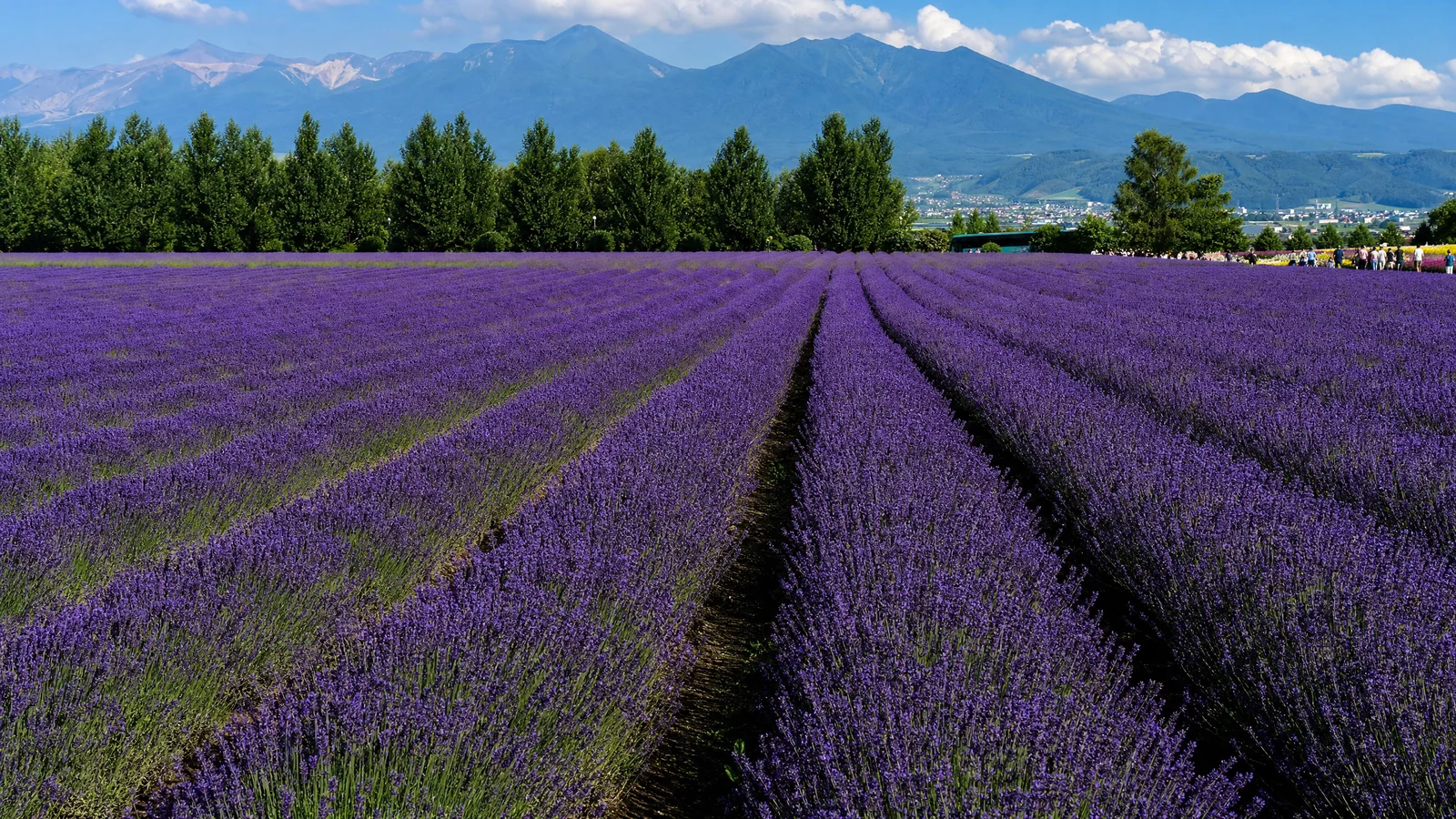
Build around flowers and countryside in season. Choose priorities rather than assuming every garden fits.
Give the zoo proper time and make the extra countryside stops conditional on the day.
Choose the walking, food or craft interests that fit the group and the available hours.
For winter, our winter family-travel guide goes deeper into snow-day choices. For a longer holiday, compare the five-day and seven-day outlines. Use them as frameworks to adapt, rather than stacking several full itineraries into one trip.
Send one consolidated brief with dates, hotel entrances, everyone travelling, child-seat and mobility requests, every bag and two or three shared priorities. Include the required return time and any fixed activity booking. Explain which stops can be dropped if conditions change.
The written quote should establish the vehicle arrangement, hours, complete price, inclusions and any additions. Meals, admissions and your own accommodation need separate budgeting. A larger party may also need advance restaurant or activity reservations; a transport enquiry does not secure those automatically.
Our team plans in English, while drivers assist with conversational English and translation apps. Specialist guiding is a separate request. Once the route and conditions fit the group, confirm the booking through the agreed process. Sending the form starts that conversation; it does not create a confirmed reservation.
Choose the season, the number of nights and the pace of the youngest or least mobile traveller. Decide the first hotel and one or two main interests before adding places. A short first visit can use Sapporo as one base with a selected day trip; a longer countryside or ski stay may justify a second base.
Use one base when repeated routines and short city journeys matter most. Move once when a second area is a real priority and you have enough nights to enjoy it. Count packing, luggage, travel and check-in as part of the move. There is no benefit in changing hotels simply to make the map look busier.
No. A city hotel can work with walking and suitable public transport, then a private car for a countryside day or luggage-heavy move. The choice depends on the exact route, child-seat needs, walking ability, bags and budget. Compare the complete group journey for each day.
That depends on the confirmed configuration, children’s seats and luggage. Send all adults and children, ages and sizes, cases, stroller and ski bags. Do not rely only on the model name or a seat-count maximum. Larger parties may need more than one coordinated vehicle.
Ask before booking and describe the actual requirement. Give children’s ages and sizes and the details of any mobility aid, including whether it folds. Availability and fit must be confirmed. A standard vehicle should not be assumed to provide wheelchair boarding or step-free access.
Choose a main focus. A zoo visit and several distant countryside stops can leave little time out of the car, especially from Sapporo or in winter. The zoo/Biei and Furano/Biei guides explain different route choices; the team reviews the actual date, start point and pace before confirming.
No. Use the zoo’s or activity provider’s current announcements, operating dates and participation rules. Snow, animal welfare, weather and other conditions can change the programme. Previous-season photographs show the type of experience, not a promise for your date.
Send the travel dates, hotel entrances, all passengers and ages, every bag, child-seat or mobility requests, two or three shared priorities and the required finish time. Ask for the confirmed vehicle arrangement, total hours, inclusions and additions. An enquiry is not a confirmed reservation.
Reviewed 19 October 2026. Examples are planning choices, not guaranteed activity places or an all-inclusive package. Check the actual date, provider and booking conditions.
Plan it with HokkaidoMe
Share the dates, hotels, every traveller and bag, children’s ages, child-seat requests, mobility needs and the two or three experiences that matter most. We will review the route and vehicle arrangement with you.
We reply in English with availability and a personalised quote. A form enquiry does not create a confirmed reservation.