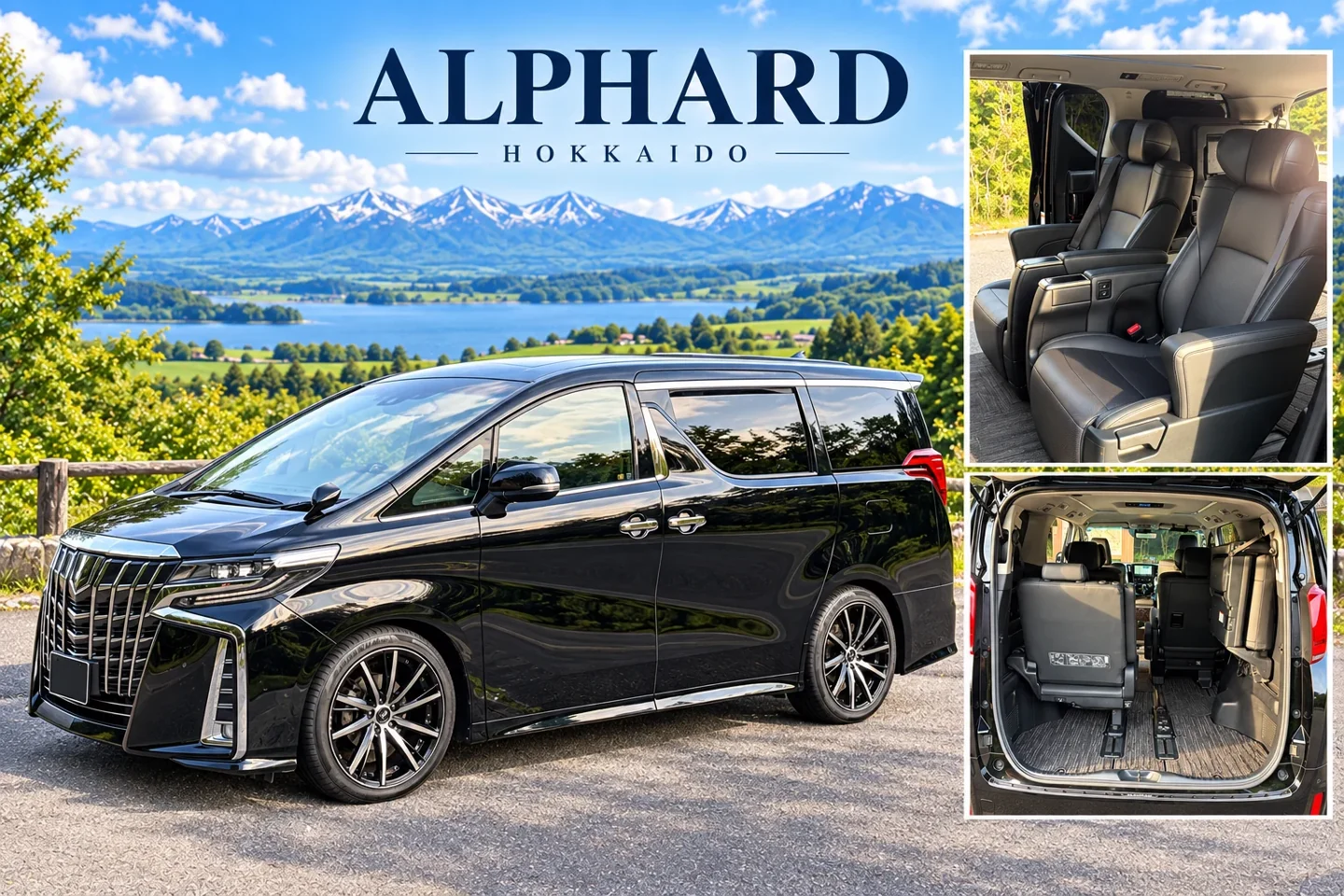
A practical Sapporo private tour
Sapporo private driver or public transport: choose by the day’s purpose
The strongest reason to book a Sapporo private driver is a journey that is awkward to connect independently: a hotel pickup with children, several outlying places, a change of accommodation with luggage or a carefully timed countryside visit. A day spent mainly around Odori, the Clock Tower and central shopping streets may work very well on foot and by subway. Reserve the vehicle for the day that actually benefits from it.
“Private tour” can describe a guided walk, a driver-only vehicle, a guide-and-vehicle package or a fixed sightseeing route. Compare what the person accompanying you will do, which transport is included and whether attraction tickets and meals are separate. HokkaidoMe’s English-speaking team plans the route; a driver assisting with everyday communication is not automatically a specialist museum guide, ski instructor or interpreter.
Compare a charter with walking, subway and a guided tour
| Your priority | A practical choice | Watch for |
|---|---|---|
| Central landmarks, cafés and shopping | Walking with subway for the longer leg | Winter surfaces, stairs, station exits and carrying purchases |
| Historical interpretation or a food-focused walk | A suitably qualified local guide | Whether transport, admission and tasting costs are included |
| Several separate areas, children or substantial luggage | A quoted private vehicle | Seats and bags together, safe pickup points and walking at each stop |
| A fixed countryside route on a smaller budget | A scheduled sightseeing tour when its stops suit you | Meeting time, group pace, luggage conditions and what happens if you are late |
A charter price is usually for the agreed vehicle arrangement rather than a seat on a shared coach. A four-person group may find the cost split useful, but the value comes from the route and logistics, not from filling every hour with driving. If most of the day is spent in one museum, two transfers may be worth discussing instead of assuming a full sightseeing day is essential.
For independent travel, plan station exits as well as railway lines. “Sapporo Station” can mean the JR station or nearby subway services, while an address described as central may still be an inconvenient walk with bags. Choose one pickup address that everyone can reach on time. Multiple hotels and extra pickups should be included in the quotation, not added as if they take no time.
Sapporo sightseeing works better in clusters
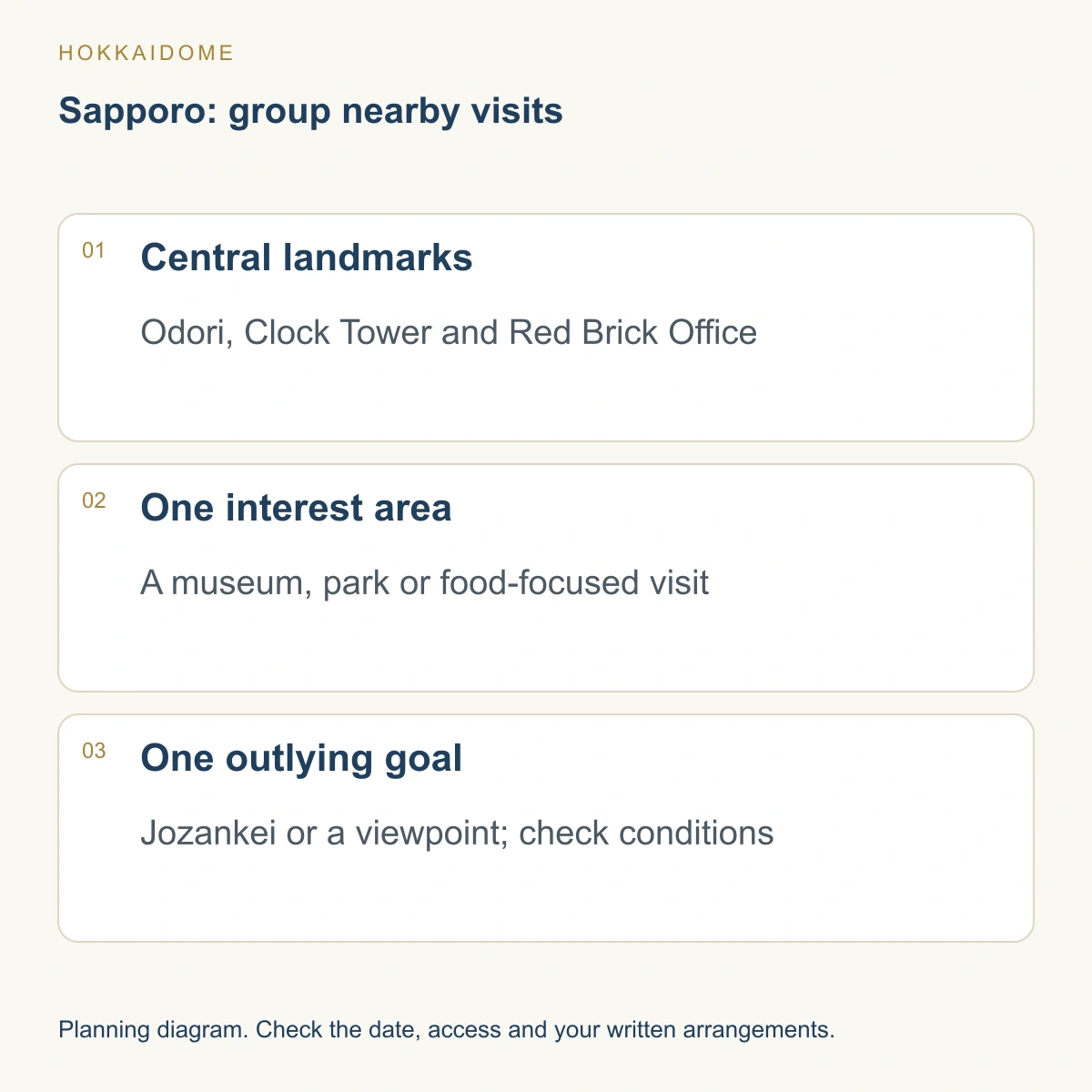
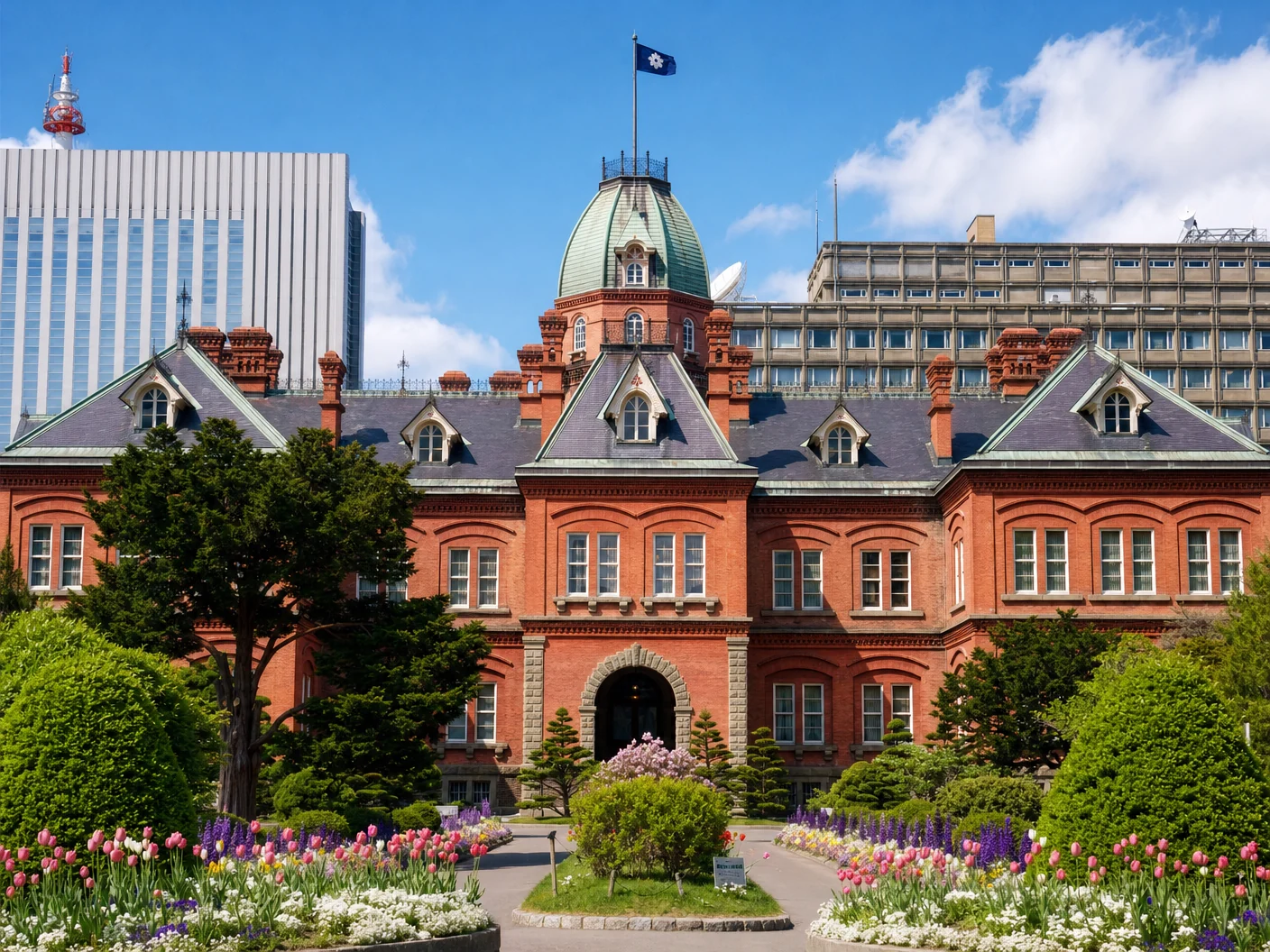
Odori, the Clock Tower and the Red Brick Office
These central landmarks work well as one walking-oriented block. Decide whether you want exterior photographs or time inside the buildings: the two plans have very different durations. For a driver-assisted day, a short walking circuit from a legal stopping point can be more enjoyable than repeatedly loading the vehicle for nearby addresses.
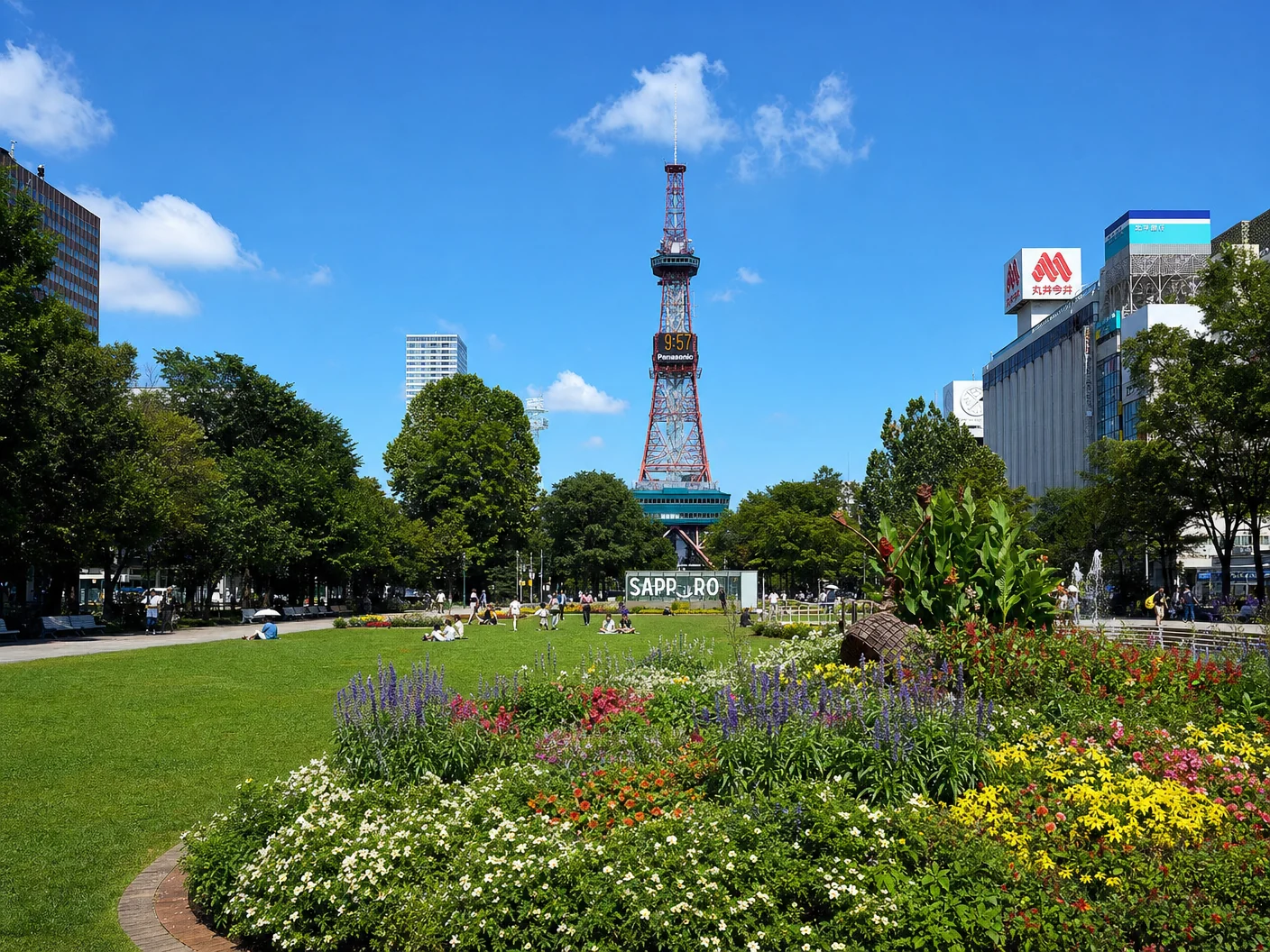
Odori’s long park setting gives you a useful pause between attractions, but its conditions change with the season and events. A summer flower-bed image is not a winter walking route. During major festivals, agree a meeting point outside the busiest pedestrian area and allow additional time to return to the vehicle.
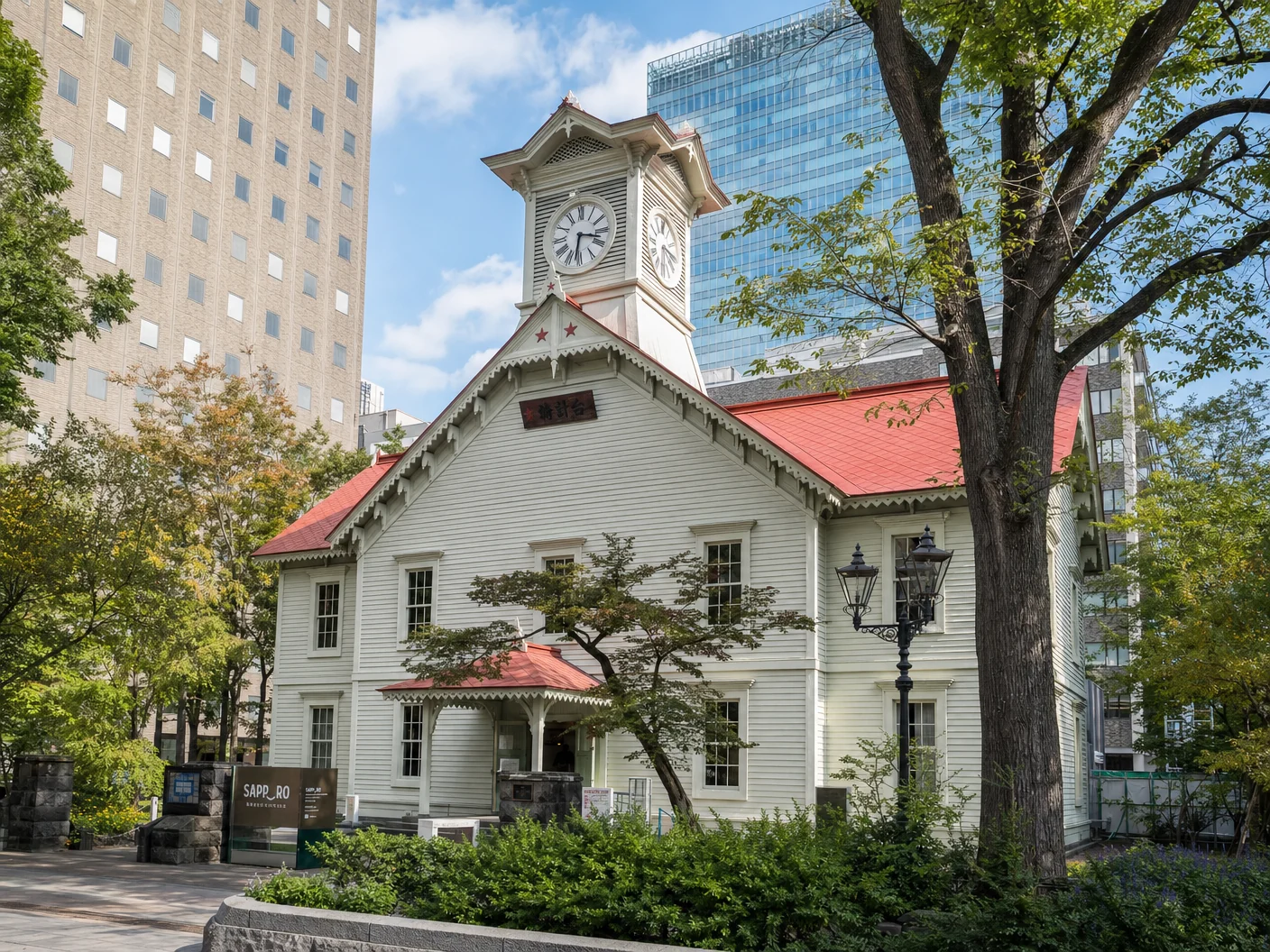
The Clock Tower is a compact heritage visit, not a mountain-style viewpoint. Leave time to appreciate its story if you choose to enter rather than treating a museum visit as a two-minute photograph. Check current admission and closure details through the official attraction site before setting a fixed meeting time.
The former Hokkaido Government Office is open again after restoration. As checked on 5 November 2026, the official Red Brick Office site lists general admission at JPY 300 and opening from 08:45 to 21:00, with last entry at 20:30. It also announces closure on 15 November and from 29 December to 3 January. An older guide saying the whole building is free or still closed for renovation should not decide your visit. Optional tours and the octagonal tower have separate arrangements.
Maruyama and the western side
A shrine, park or family attraction on the western side can form a second block without turning the day into a long cross-city drive. Decide which actual experience matters: a quiet shrine visit, a zoo visit with children and an extended café lunch are not all short stops. Consider the approach on foot, weather, the group’s stamina and facility hours before adding another site.
Beer, food and a reserved indoor visit
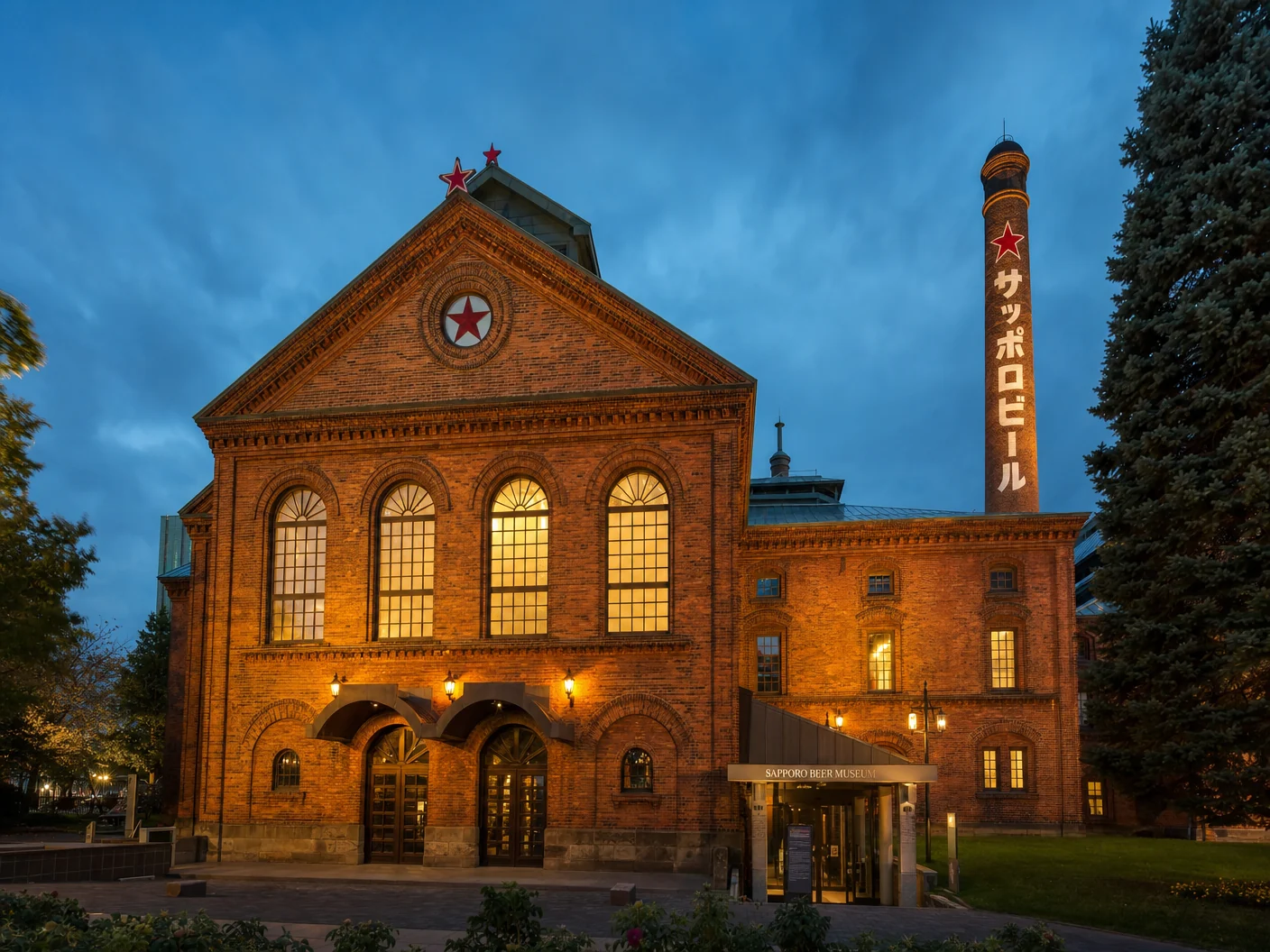
A brewery or museum visit can provide a useful indoor anchor. Check whether you are booking a tour, entering an exhibition or only visiting a restaurant. A restaurant reservation does not necessarily include a museum tour, and a museum visit does not promise a table. If tasting is part of the day, keep a non-driving return and a plan for children or non-drinkers.
For lunch, choose one area and one main meal rather than joining several famous queues. A ramen restaurant, seafood market meal and dessert café can each be enjoyable; trying to fit them all between distant attractions is often less satisfying. Ask about ingredients and queue expectations beforehand, particularly for food allergies and young children.
Jozankei is a separate outing
Jozankei belongs to Sapporo administratively, but a hot-spring outing is not a quick central-city detour. The city tourism guide gives about an hour from central Sapporo in ordinary conditions. Add your actual hotel approach, winter traffic, time for bathing or lunch and the return drive. A day-use bath, private bath and overnight ryokan stay each have different entry and reservation conditions.
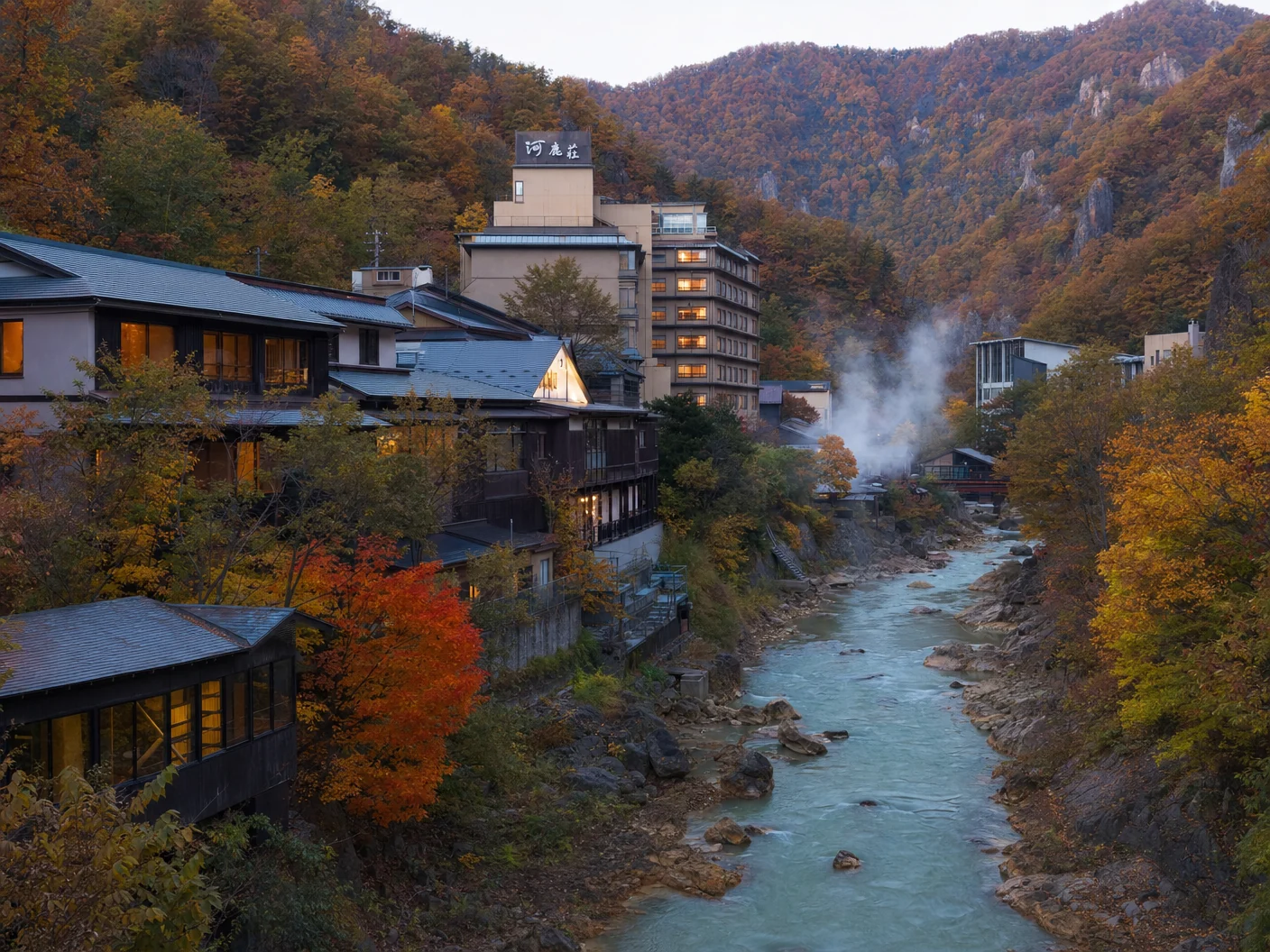
Build a Jozankei day around the confirmed bath or meal reservation, then add a modest city stop if there is time. Do not assume all riverside paths, bridges, gardens or outdoor activities remain available throughout the snow season. A traveller who wants bathing, a relaxed lunch and a short walk may not also want several city museums and a late mountain queue.
Three Sapporo private-tour plans with realistic trade-offs
Plan A: first visit, city culture and a conditional view
Start after breakfast at your hotel, spend the first block around Odori and the heritage buildings, and reserve time for one proper indoor visit. After lunch, choose a western-side interest or a food-and-culture stop. Leave a viewpoint as the optional final block if visibility, operation and the agreed finish time allow.
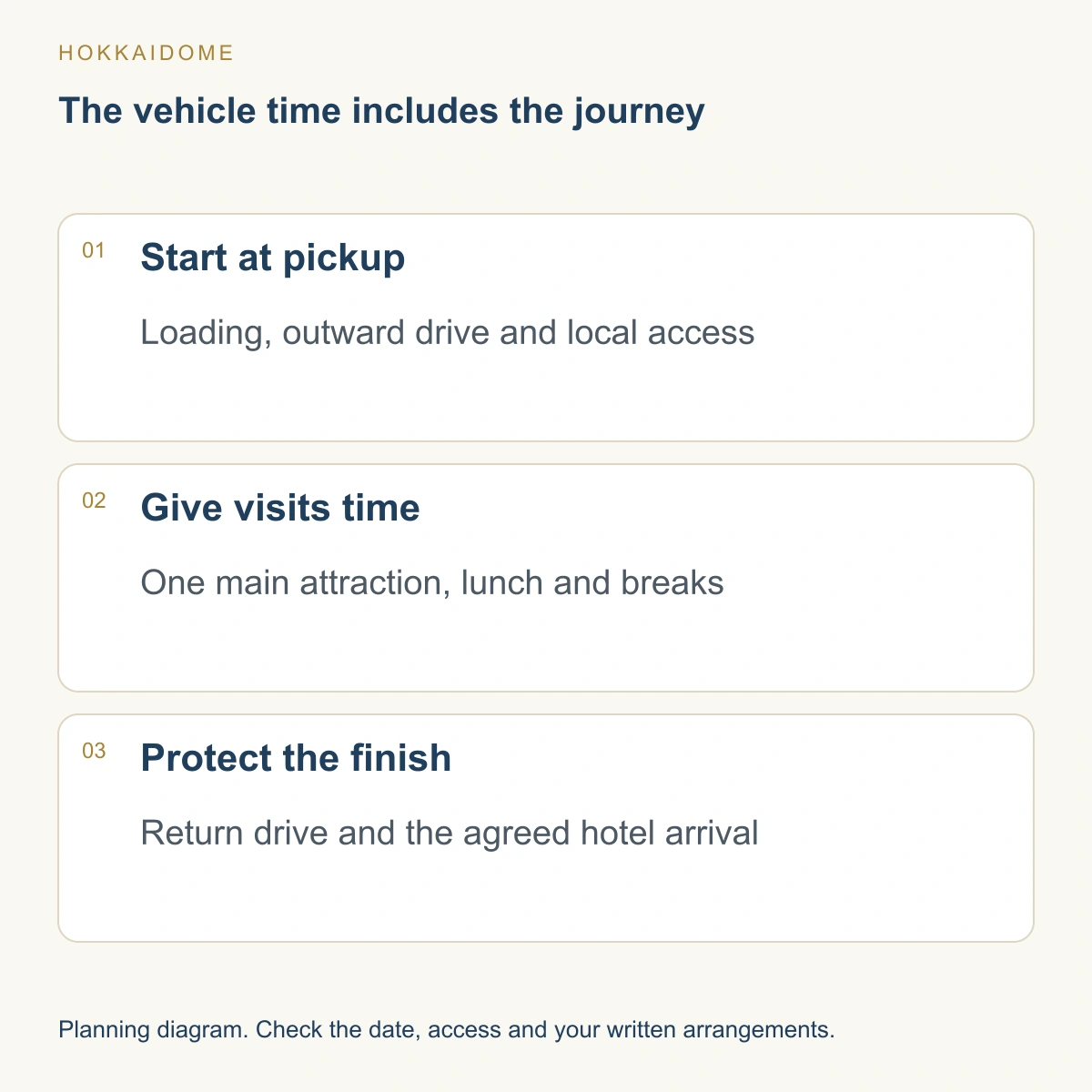
For an illustrative 09:00–19:00 charter, protect the final hotel return inside that ten-hour window. Those times are a planning example, not a guarantee of available hours or a fixed tour product. A slow lunch or a longer museum visit uses time that would otherwise go to the last stop. Decide which part you are willing to shorten before setting out.
Plan B: a family day with one main attraction
Choose the activity your children are most looking forward to, such as a suitable museum or family attraction, and give it an unhurried block. Add a short central landmark visit and an early meal. Keep a café or indoor rest stop nearby rather than planning a cross-city transfer every time the weather changes.
For a stroller, child seats and shopping bags, confirm the vehicle layout before payment. Tell us if a child needs a midday rest, if an older relative finds steps difficult, or if your group needs accessible toilets. The same number of travellers can require a different vehicle when several child seats or bulky items occupy the interior.
Plan C: hotel change or airport day with limited sightseeing
Use the actual departure deadline first. A flight requires road time plus the airline’s check-in and baggage allowance; a hotel change requires loading, unloading and a final address. Select one or two nearby visits that fit the remaining window. Do not transplant a full sightseeing itinerary into the gap after an international arrival.
A point-to-point airport transfer, two transfers and a day charter have different scopes and prices. If you want to stop after landing, provide the flight’s Japan-local date, number, terminal, all bags and the intended visit. Immigration or flight delays can remove the sightseeing window. Waiting, route changes and replacement arrangements follow the written booking conditions rather than an assumed unlimited guarantee.
When the main goal is outside Sapporo
Choose one direction: Otaru and a suitable coast-side addition; Jozankei; a selective Furano–Biei day; or a lake-and-onsen route. Long-distance driving reduces time at the sights, and winter daylight makes this more important. A list containing Otaru, Furano, Lake Toya and Noboribetsu is a menu of different days, not a promise to visit all four within one charter.
For flower fields or countryside photography, use the detailed Furano–Biei guide. For crafts, canal walking and a possible Yoichi visit, use the Otaru day-trip guide. Confirm seasonal operations and any timed bookings before selecting the departure hour.
Mount Moiwa: road access does not mean a car reaches the summit
Mount Moiwa needs more than the drive from your last attraction. From the base, the sightseeing route uses a ropeway to the middle station and a mini cable car to the summit. The tourist road, when open, reaches the middle-station parking area, not the summit observation deck. Include ticketing, both rides, queues, time at the top and the descent.
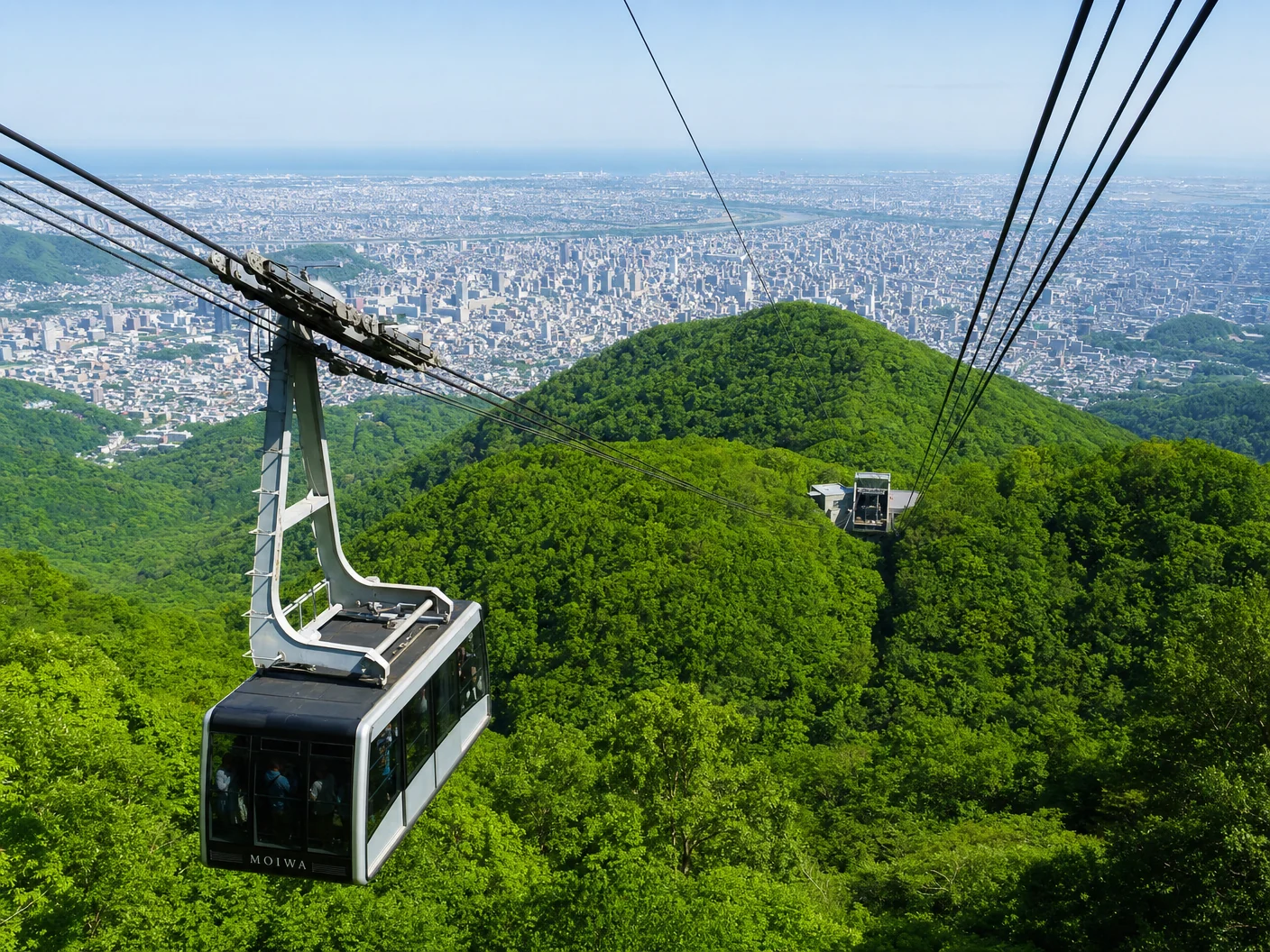
The operator’s current calendar lists the tourist road closing from 21 November 2026 into late April. Winter sightseeing therefore needs an operating lift connection rather than a promise of direct summit driving. The published annual ropeway maintenance closure is 29 March–28 April 2027, and 31 December and 1 January are listed as closed. Check the latest calendar and daily operating status again before travel.
A night view depends on visibility, and a ticket cannot clear low cloud. Check the live view and discuss a city-based alternative while there is still time to change the plan. During popular evening periods, a queue can use the remaining vehicle hours; arrive with a margin rather than aim for the last possible ascent. If dinner is fixed, choose which commitment takes priority.
Winter, rain and event days: use a workable Plan B
In snow, reduce long outdoor stretches, allow more road time and keep warm indoor breaks close to the main route. Winter tyres do not remove the effects of congestion, poor visibility or road closures. A shorter day route with time actually spent at attractions is often more useful than a distant checklist seen mainly through a windscreen.
For rain, choose an indoor visit that interests the group, lunch and short sheltered shopping segments. The city’s underground connections can help some central journeys, but you still need to identify the right entrance and any stairs or lifts. A private pickup should use a safe legal point; it is not permission to stop anywhere under cover.
Snow Festival and illumination photographs are seasonal examples. Confirm the year’s event dates and current access restrictions. During busy events, keep a precise meeting location, a phone contact and time to walk back. A late-night festival return needs an agreed driver schedule; it is not automatically covered by a daytime charter.
For shoulder-season travel, check closures rather than assume November is simply a quieter version of February or summer. Ropeways, outdoor gardens and neighbouring coastal activities may have maintenance gaps. Your alternative should be an attraction that is actually open on your date, not another unchecked name nearby.
Turn your wish list into a quote that can be compared
Send your date, full pickup and finish addresses, total travellers, children’s ages and every luggage item. Include dimensions for an unusually large suitcase, folded wheelchair, stroller or long ski bag. Mention hotel changes, multiple pickups, meals or activities already booked and the latest acceptable return time.
Separate essential stops from optional ones. “We want a relaxed lunch and glass shopping” leads to a different day from “we want two museums and a sunset viewpoint”, even if both start at the same hotel. A concrete priority order makes it easier to adjust safely when a queue, weather or fatigue changes the schedule.
Compare the payable JPY total, agreed route and hours, vehicle arrangement, inclusions, overtime and special requests. The published prices below keep the existing service conditions: tax, driver, fuel, expressway tolls and parking are included in the agreed charter; admission, meals and your accommodation are separate. Do not copy another operator’s mileage limit, cancellation policy or language promise into your HokkaidoMe booking.
For payment, operator details, luggage, child seats and the two cancellation categories, use our Hokkaido private-driver FAQ and current Terms. A 20% deposit makes the booking provisional; the 80% balance is due by 21 days before the first pickup, and full payment confirms it. New requests less than 21 days before pickup require an availability check and full payment. The quotation identifies the actual dates and applicable vehicle category.
Reviewed on 5 November 2026 with Sapporo’s official tourism information, the Red Brick Office and Mount Moiwa’s operator. Recheck attraction calendars for the day you intend to visit.