Hokkaido 4 Day Itinerary: Sapporo, Lake Toya & Onsen
A city evening, a lakeside stay and a night in Noboribetsu. Follow a focused south-western circuit, with hotel moves and airport timing planned as carefully as the scenery.
HokkaidoMe planning team · Reviewed 23 October 2026
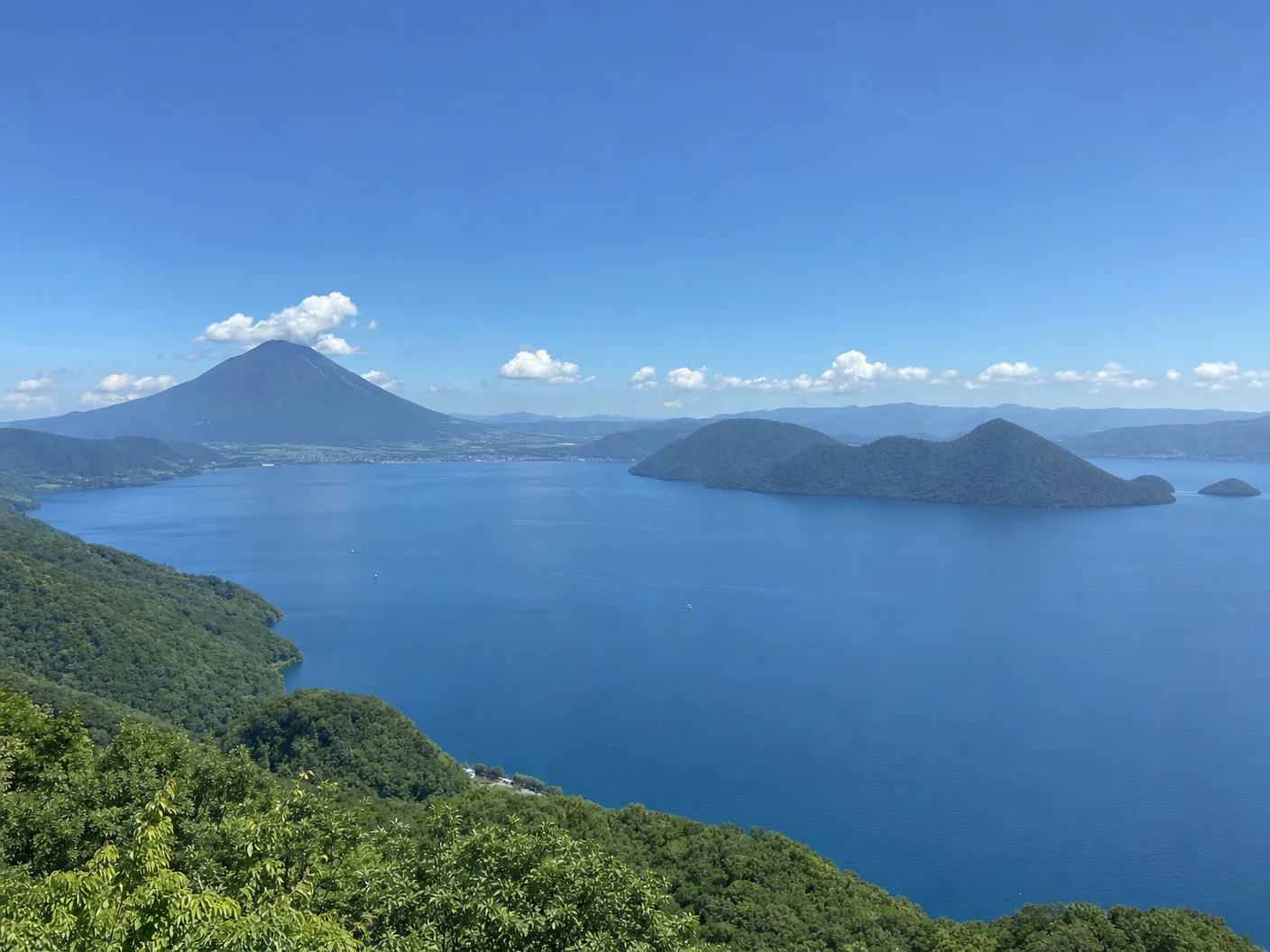
Staying by the lake gives the setting an evening and a morning, rather than a hurried roadside stop.
4 calendar daysFlight logistics included
3 hotel nightsSapporo, Toya, Noboribetsu
One regional circuitA focused south-western route
A Hokkaido 4 day itinerary for lakes, onsen and a city evening
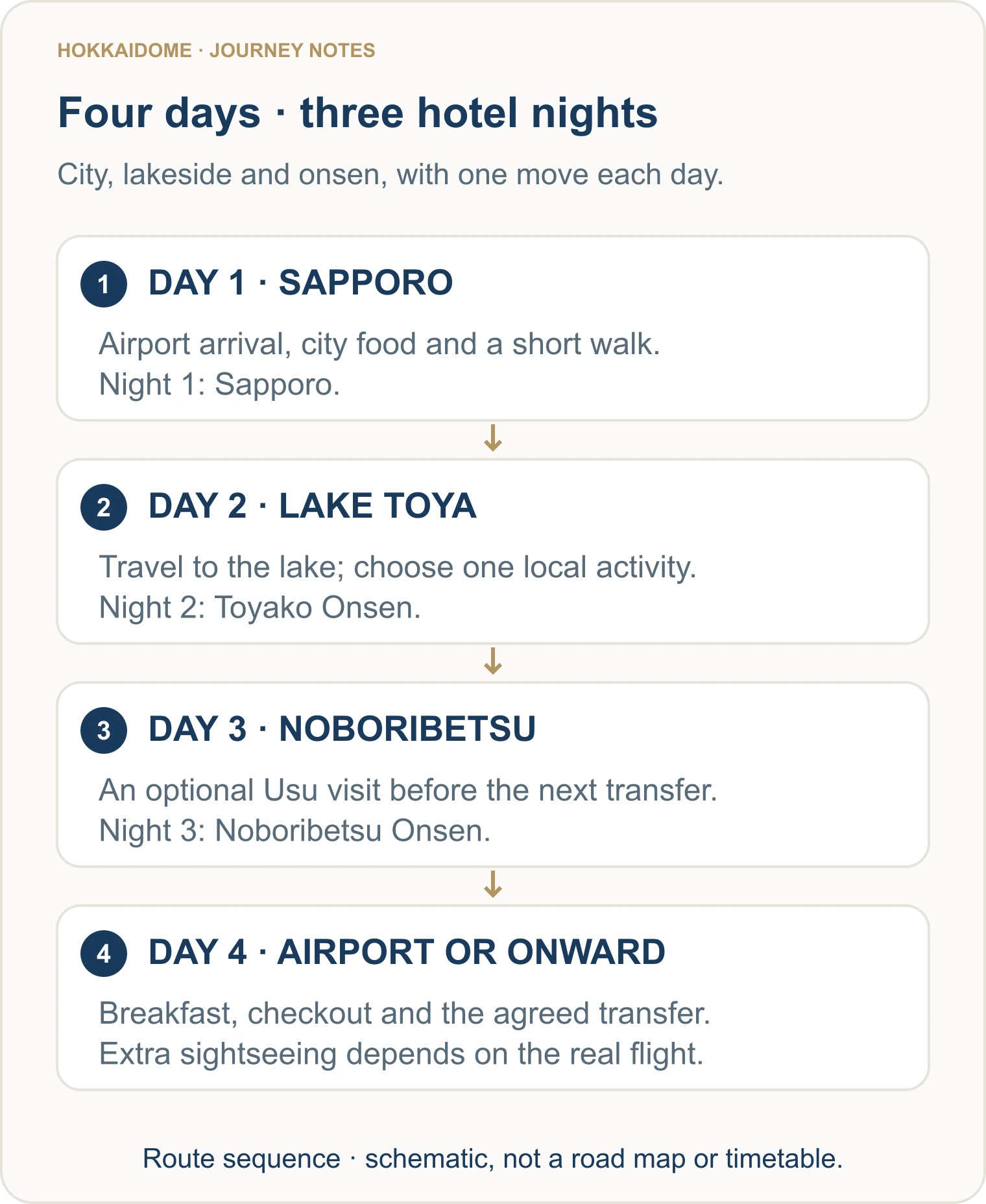
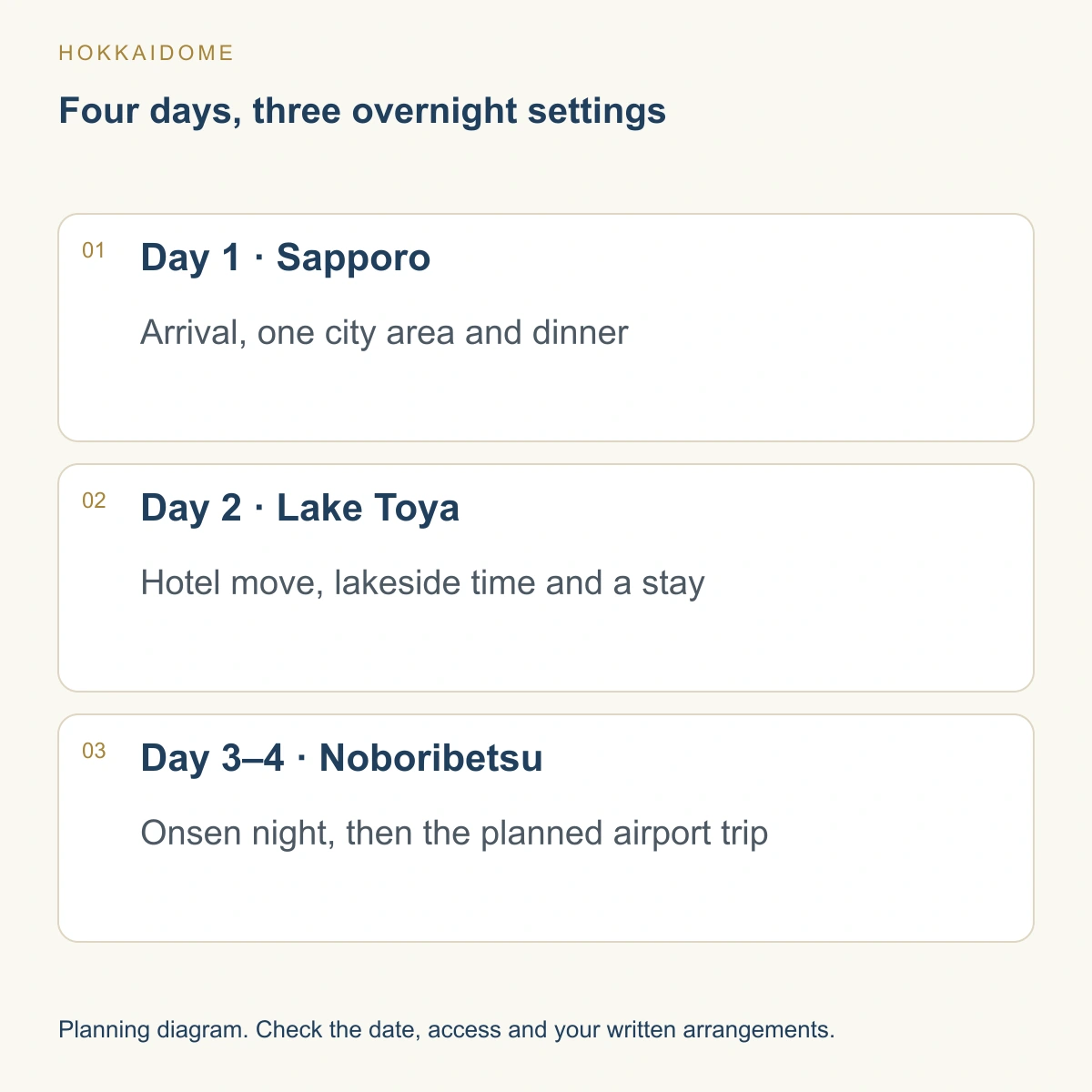
This Hokkaido 4 day itinerary follows a small part of the island well: Sapporo, Lake Toya and Noboribetsu, with three different overnight settings. It is for travellers who value a lakeside evening and an onsen stay more than collecting a long list of regions. The route starts and ends at New Chitose Airport and gives each hotel night a clear role.
The planning assumption is an arrival with time to reach Sapporo on day one and a departure late enough for an agreed journey from Noboribetsu on day four. Your flights may call for a different order or an airport-area last night. Decide those boundaries first; then choose the activities inside them.
This route deliberately leaves out Otaru, Niseko, Furano and Hakodate. Those places have their own appeal, but adding them would make this a different trip. If you prefer the same room every night, see the Sapporo-based five-day itinerary. If the onsen stay matters most, the two-night Noboribetsu plan offers fewer hotel moves.
Day
Main journey
Hotel night
1
New Chitose Airport → Sapporo; leave bags, one city area and dinner
Sapporo · night 1
2
Sapporo → Toyako Onsen; lakeside lunch, one local interest and the hotel
Lake Toya · night 2
3
Optional Usu-area visit → Noboribetsu Onsen; local time and dinner
Noboribetsu · night 3
4
Breakfast and checkout → New Chitose Airport or your confirmed onward destination
No hotel night in this four-day plan
A sequence of overnight bases, rather than a road map or a promise of fixed journey times.
Is this the right four-day Hokkaido itinerary for you?
Choose this circuit when the overnight experiences are the reason for travelling: a first city evening, a lake you can enjoy after day-trippers leave, and a hot-spring stay with time before dinner. It works best when everyone is comfortable changing rooms each night and the flights leave useful time at both ends. It is less suitable for travellers whose priorities are several full ski days, summer flower fields or a comprehensive first visit to Sapporo. Those interests deserve their own route rather than a hurried addition to this one.
Before booking, ask each traveller to name one experience they would be disappointed to miss. Put those priorities beside the three hotel nights. If they cluster around one place, reduce the number of bases. If one person values the lake and another wants an onsen dinner, the regional nights have a clear purpose. This simple check is more useful than treating a route map as a challenge to cover the greatest distance. Keep one changeable outdoor activity on each regional day and protect the hotel arrival as the anchor.
Train, bus, rental car or private sightseeing transfer?
Compare the complete hotel-to-hotel journey
Public transport can make sense for travellers with manageable bags who are happy to plan fixed departures. Price the train or bus tickets for every traveller, then add the final local connection, any taxi and the time spent waiting. A rail pass is useful only if its coverage and your actual journeys justify it; do not buy one solely because the trip lasts four days. A reserved hotel shuttle, where offered, has its own pickup, passenger eligibility and baggage rules. Confirm it with the hotel rather than treating it as an all-purpose local bus.
For self-driving, include rental pickup and return procedures, parking, fuel, tolls, the designated driver’s fatigue and winter experience. A private sightseeing transfer can be useful on the two regional hotel-moving days while you explore central Sapporo without a car. It still needs agreed stops and an agreed duration: keeping the bags in a vehicle does not make unlimited detours possible. Request separate totals for direct hotel transfers and for the same journeys with sightseeing so that you can see what the extra convenience costs.
The three final connections to check before buying tickets
JR Hokkaido publishes a fastest airport-to-Sapporo train time of 33 minutes; that is station-to-station, not flight landing to hotel check-in. Toyako Onsen’s access guide lists a reservation-required Sapporo bus at about 2 hours 45 minutes, while a rail arrival at Toya Station needs a further local connection. Noboribetsu Onsen is about 8 km from Noboribetsu Station. Check the current operator timetable and the hotel’s exact location for your date; these reference figures do not establish a flight connection.
Day 1: make Sapporo an enjoyable arrival, not a full city marathon
On arrival, make the hotel the first useful destination. Finish airport formalities, collect the bags and take the planned rail, bus or private transfer into Sapporo. A train running time is only one part of the journey: include waiting, the station exit and the walk or local connection to the hotel.
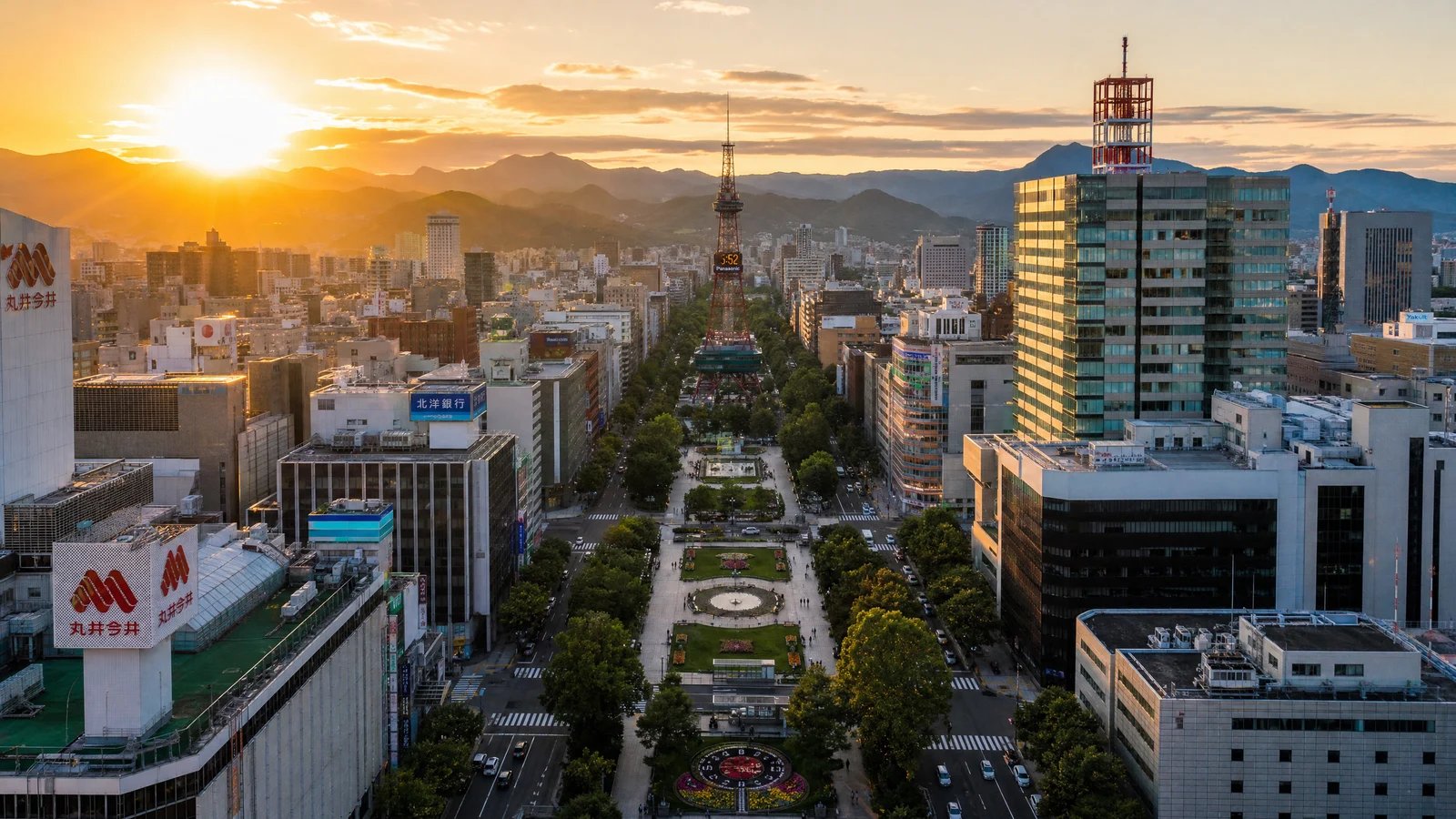
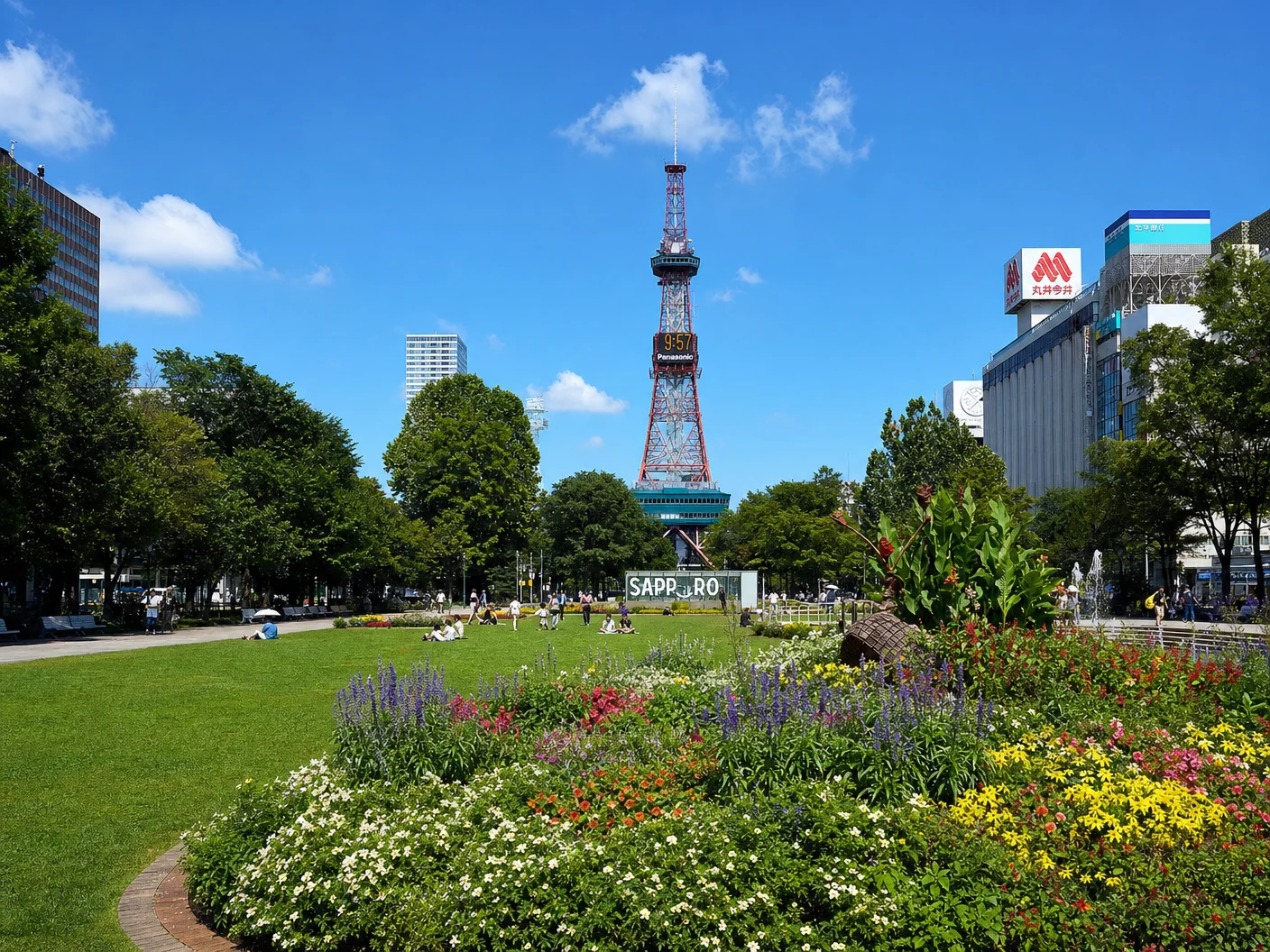
Choose one central area for the afternoon. Odori and its nearby streets can give a first sense of the city without building several separate journeys into the day. If the arrival is later, dinner near the accommodation is enough. A skyline view is an option for suitable weather and energy, rather than a compulsory booking on a flight day.
Use the evening to prepare for the first hotel move. Confirm tomorrow’s pickup or departure, arrange the bags and check the Toya accommodation’s reception and meal arrangements. Buy any small items you will need for the regional nights while shopping is convenient, instead of assuming that every onsen town has the same late-evening choices as central Sapporo.
If you want a longer city visit, add a night here or reduce the regional circuit. This plan contains one Sapporo evening; it is not an attempt to squeeze a complete Sapporo guide into a few hours after a flight.
Choose one compact arrival-day area, then leave time for food and the next day’s hotel move.
Day-one choices: a compact Sapporo walk that can be shortened
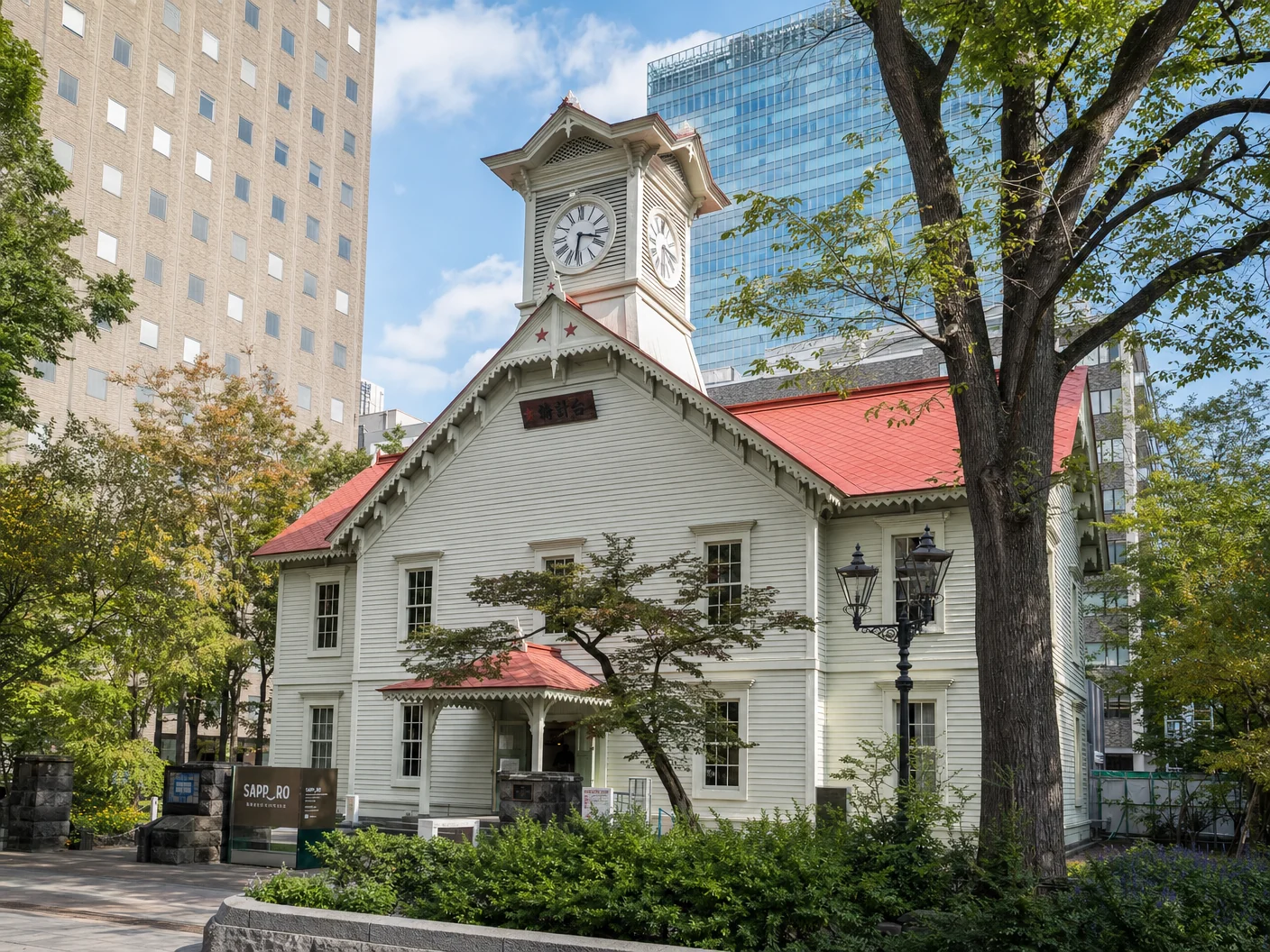
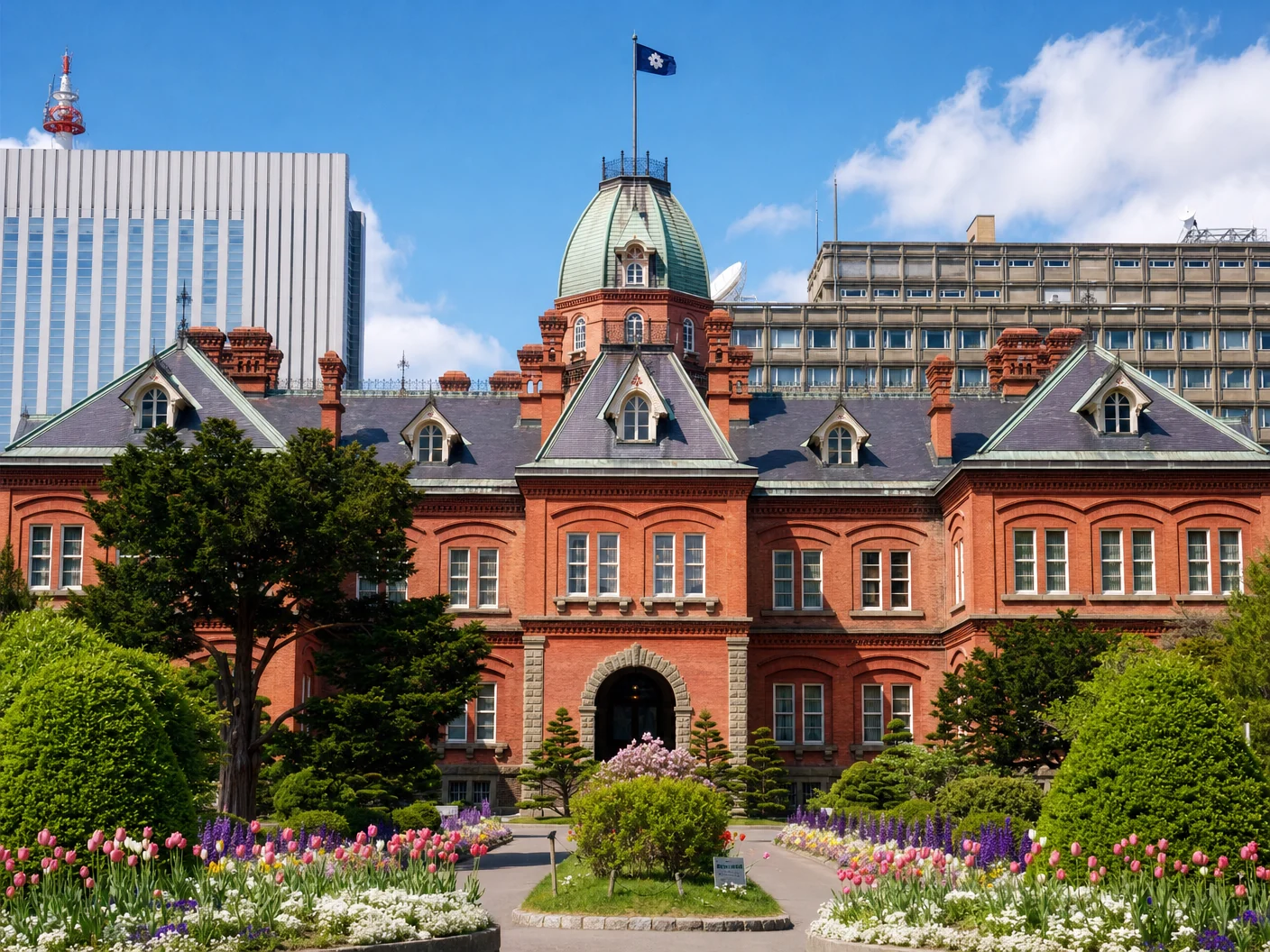
For a central arrival, pair Odori with the Clock Tower area or choose the Red Brick Office area closer to Sapporo Station. The appeal is the contrast between city streets, gardens and historic buildings without another long road journey. Select one cluster according to your hotel and weather. A photograph outside a landmark and a full exhibition visit need different amounts of time; check current opening arrangements if going inside is important. Do not plan an interior visit immediately after a flight whose arrival time is uncertain.
Keep dinner close enough that the group can finish early if tired. Families may want a straightforward meal before shopping; someone arriving from a long-haul flight may prefer a short walk and sleep. An evening viewpoint is a bonus for clear weather, not proof that the day has been used well. Put medicines, overnight essentials and tomorrow’s clothes in a small accessible bag so the first hotel move does not start with repacking every suitcase.
Day 2: travel to Lake Toya and enjoy the place you are sleeping
Leave Sapporo after a settled breakfast and travel towards the lake. For public transport, check the current rail and bus options using the Toyako Onsen association’s access page. A ticket to Toya Station does not take you to a lakeside hotel door, and a reservation on a direct bus needs its own boarding and baggage plan.
A private hotel-to-hotel journey makes the bags and a small number of stops easier to coordinate. Give the provider the full Toya address: lakeside accommodation, a hillside resort and a property in another village can require different final approaches. Choose a sensible arrival target before asking for viewpoints along the way.
At the lake, begin with lunch and the area near your accommodation. A lakeside walk can be the main experience. Add one confirmed activity if it fits its operating time and the weather. Do not treat a boat trip, a volcano visit, several viewpoints and a hotel bath as things that all happen automatically between arrival and dinner.
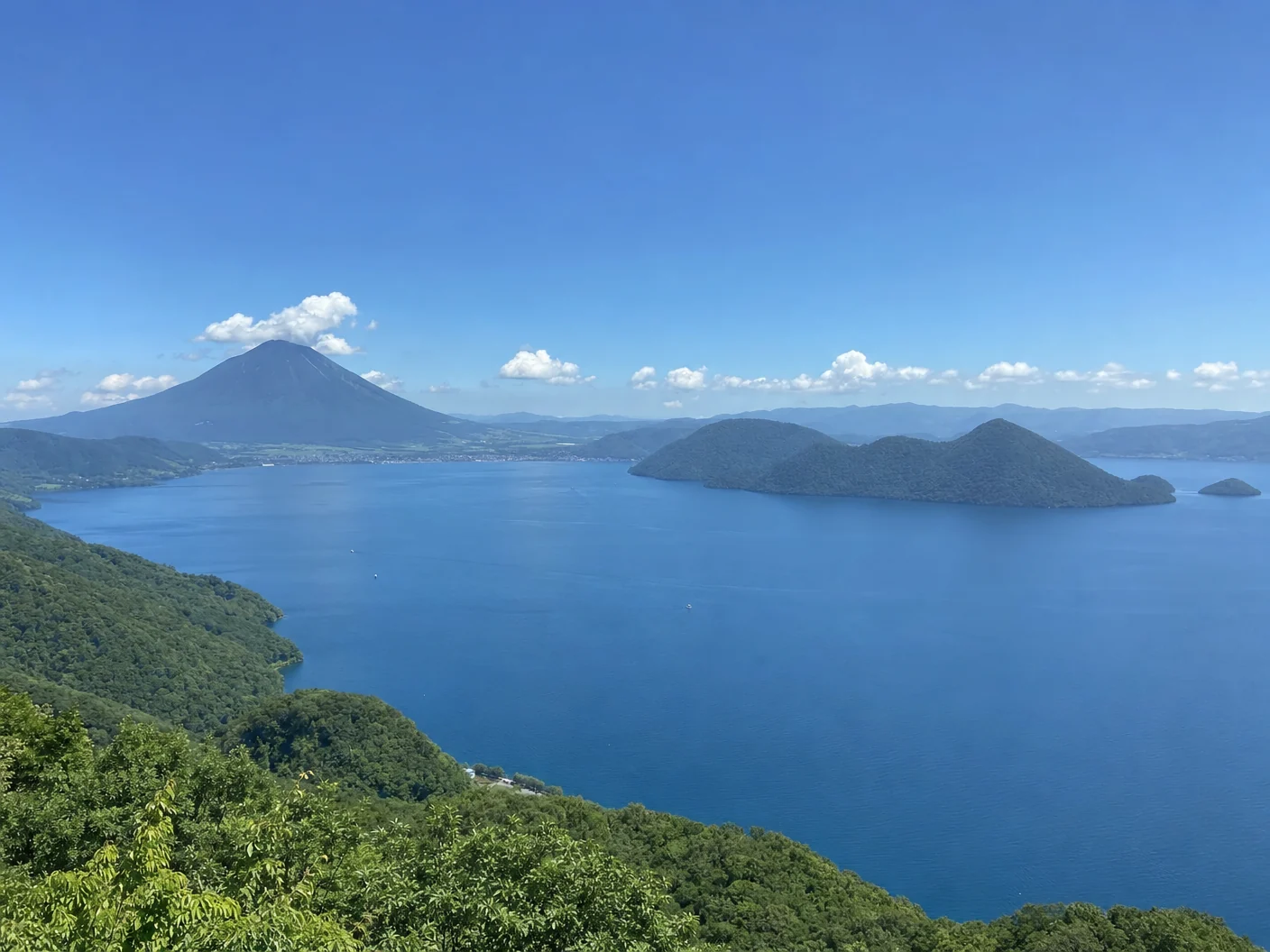
The reward for staying here is the evening and the next morning, not merely a photograph taken during a roadside stop. Check the room view you actually booked and ask about any seasonal event separately. Enjoy the lakeside setting even if visibility or a cancellation means the activity list gets shorter.
Lake Toya: choose the shore, a cruise or a volcano visit
The lakeside stay earns its place when you leave time to be at the lake. Begin with the shore near your hotel, a meal and the room’s check-in arrangements. A cruise changes the perspective, but adds a boarding point, departure time and weather dependency. A viewpoint gives a broader landscape but may need another drive. Choose which experience matters most before asking the driver to join several far-apart stops. A lakeside walk is also a worthwhile main activity, especially if the hotel stay is the reason for the journey.
Use a whole-visit allowance for the Usuzan Ropeway
The ropeway operator gives about 6 minutes for the ride each way, but about 40 minutes for the ropeway and Lake Toya observation deck, or 60 minutes including the crater-basin deck. Add your approach, queues and breaks. Its published regular return fare at the 6 November 2026 check was ¥2,000 for adults and ¥1,000 for elementary-school children. Verify the date’s fare, operating status and last descent before travelling; do not build a hotel dinner connection around an assumed last ride.
Day 3: one optional volcano experience, then Noboribetsu
After checkout, decide whether a Usu-area visit belongs before the next hotel. Usuzan Ropeway publishes a current operating status and seasonal timetable. Check it before committing the group to the base-station journey. Low cloud, wind or a suspension can change the value and feasibility of the outing even when the hotel-to-hotel transfer still runs.
If you go, allow time for the approach, ticketing, the visit and returning to the vehicle. Do not use the gondola ride alone as the whole activity duration. Keep the final departure from the Toya area compatible with a relaxed arrival in Noboribetsu and the accommodation’s meal arrangements.
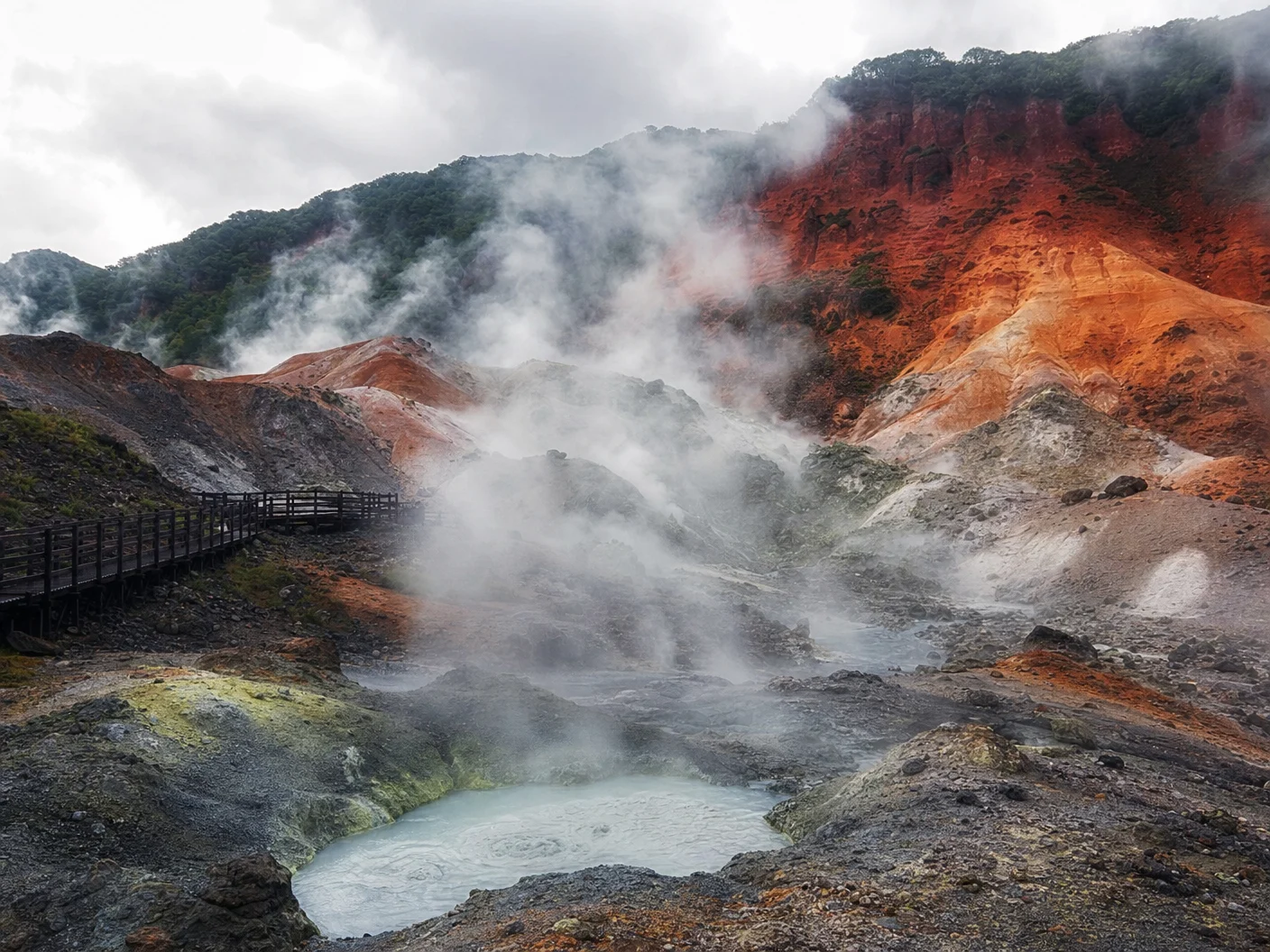
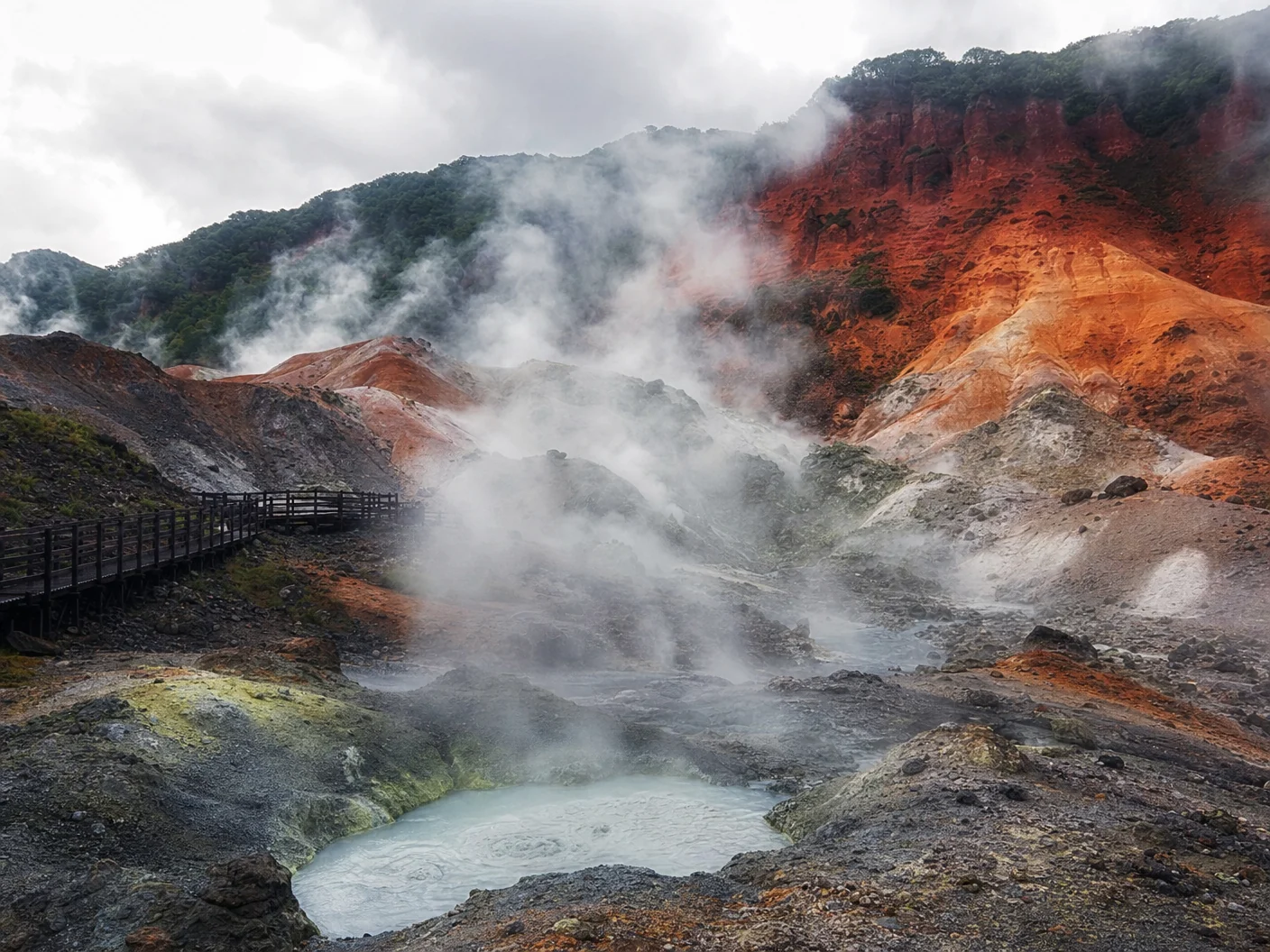
At Noboribetsu, leave bags at the hotel and choose the local visit according to daylight, paths and the group’s mobility. A short Jigokudani view followed by a bath and dinner may be more enjoyable than arriving at the start of a long forest walk when the afternoon is nearly over.
For travellers who prefer one night in Sapporo and two at Lake Toya, that is a legitimate alternative, but it is a different overnight structure. Choose the nights you want before reservations are made. Avoid booking three hotels and then discovering that the repeated packing is the least enjoyable part of the holiday.
Keep the Noboribetsu afternoon flexible enough for the hotel’s check-in, meal and bathing arrangements.
Noboribetsu: protect daylight, dinner and bath time
Treat Jigokudani as a landscape to spend time in, not a stop you must complete by following the longest walking circuit. Start with the observation area and decide whether anyone wants a longer walk after seeing conditions. The tourism association describes an accessible ramp to the observation deck, but that does not make all forest paths or winter surfaces accessible. Ask about the current route and assistance required for your group. Stay on authorised paths and follow closure notices around the volcanic terrain.
A dinner-included stay needs the hotel’s actual arrival and dining requirements. Request an arrival that leaves time to check in, find the room and settle children before the meal. If a late transfer would put the meal at risk, shorten the volcano outing or go straight to the hotel. For bathing, confirm the facilities you booked: a private bath, an in-room bath and a communal bath are different arrangements, and none should be inferred from a generic onsen photograph. Ask the property directly about allergies, steps, bathing restrictions and private-bath reservations.
Day 4: make the last transfer the fixed part of the plan
Write down the actual flight, terminal, airline deadlines and the agreed airport arrival target. Work backwards through the complete hotel-to-airport journey, with bags, any interchange and a margin for conditions. Ask the transport provider to confirm a pickup appropriate to that flight; an example article cannot establish a safe connection for an unknown booking.
A late departure may leave a useful local morning. An early departure may mean that the final Noboribetsu night should be replaced by one closer to the airport. Neither change is a failure of the route. It is the reason to check the flight before paying for the accommodation and transfers.
Keep an optional stop optional. If breakfast runs late or the conditions deteriorate, go directly to the airport. An airport shopping or meal plan also needs to sit after the travel and check-in requirements, rather than being used as extra time that can be borrowed on the road.
Protect the entire airport journey. Landing or takeoff times alone are not a door-to-door schedule.
Three hotels need one joined-up booking checklist
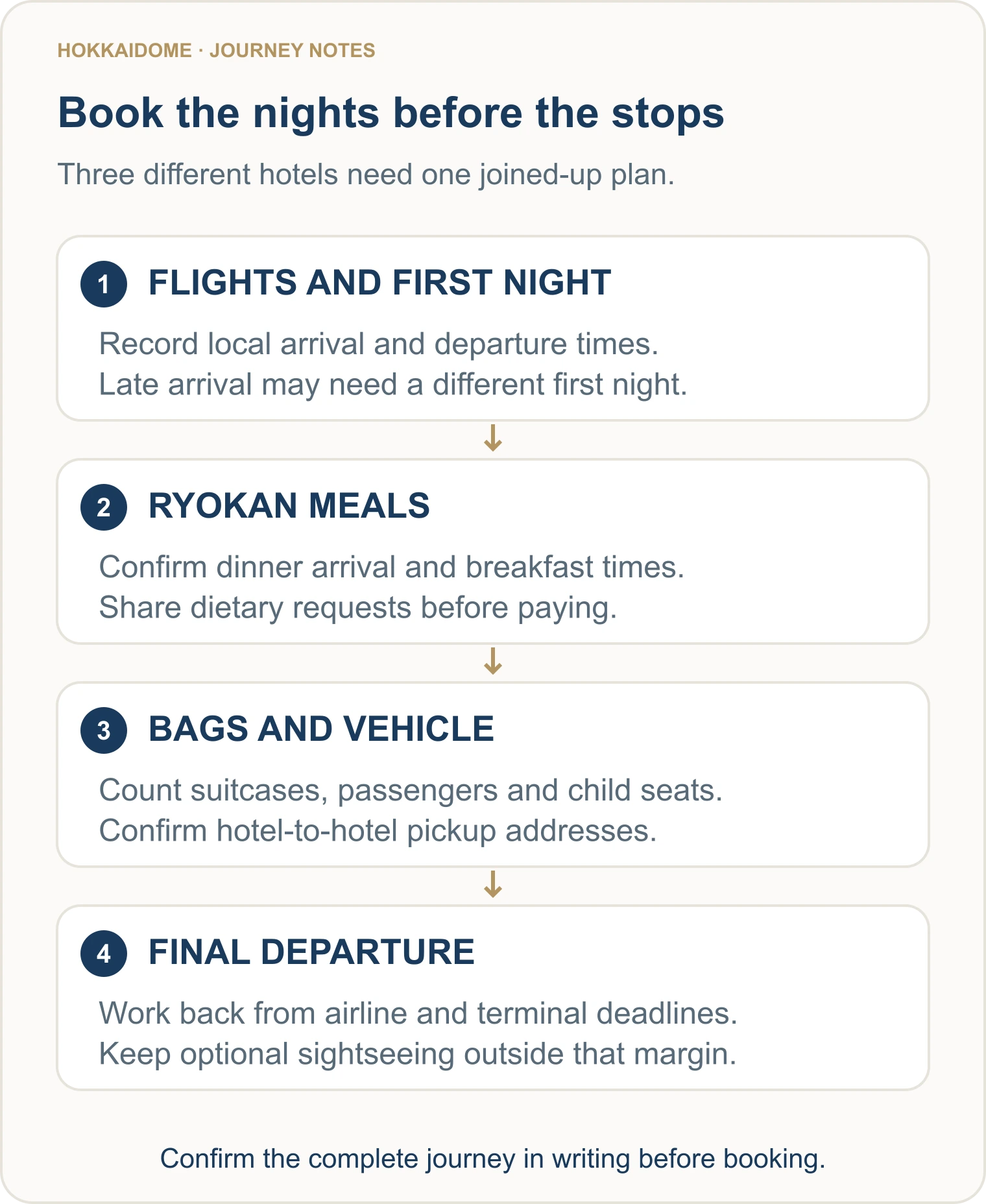
With only three nights, the details between bookings matter. Confirm the room and meal plan for each property, the reception window, where bags can be left and the exact pickup entrance. A change in one hotel can affect the next day’s driving and the final airport journey, so keep a single document with the whole sequence.
Make the suitcase count realistic. Large suitcases, a folding stroller and a wheelchair take space even when the passenger count is small. Ask about the confirmed vehicle layout rather than assuming that the largest advertised seat count also leaves room for every bag. For children, share ages and any seat requirement when requesting the quote.
If meals involve dietary or accessibility needs, obtain answers from the actual properties. Ask about steps, lifts and room facilities where they matter. A private driver can help with the journey, but transport availability does not establish that a particular room, bath or menu is suitable.
Confirm the transitions as carefully as the attractions.
Cost or service
What to check before booking
Three accommodation nights
Room type, occupancy, meals, local taxes and cancellation terms
Point-to-point transfers
Exact addresses, date, luggage, vehicle and meeting instructions
Sightseeing transport
Agreed stops and duration; parking, tolls and extensions
Activities and food
Tickets, reservations and meals outside the hotel plan
Contingency
What changes if weather removes a stop or alters the route
Compare complete totals in the currencies actually payable. A per-vehicle transport quote and a per-person hotel rate cannot be compared as if they were the same product. HokkaidoMe confirms the requested vehicle service and inclusions in writing; this editorial route is not a fixed-price package or an automatic reservation.
Children, suitcases and three hotel check-ins
Keep a small daily bag for medication, snacks, spare clothes, travel documents and anything needed during the transfer. Large cases may be awkward to open during a short stop. Count luggage by size as well as number, including a folded stroller, wheelchair, skis or shopping bags. Send every child’s age, height and weight for the required seat arrangement. A larger advertised passenger capacity does not establish the room left for luggage, and a child seat uses space even when the child is small.
At each hotel, confirm the meal plan and child occupancy rather than transferring the assumptions from the previous night. A room without a bed or meal for a child may have different arrangements from a fully paid child stay. Where accessibility matters, ask for the actual path from vehicle entrance to room and dining area, not simply whether the property has a lift. If three check-ins sound tiring before departure, choosing two bases is a useful improvement to the trip, rather than something to postpone until everyone is exhausted.
Build a four-day budget without confusing tours and transfers
Make a line for each of the three hotel nights and each requested transport day. Add attraction tickets, food not included in hotel plans and personal spending separately. A room rate may be per room, per person or tied to a meal and occupancy plan, while transport is quoted for the vehicle arrangement. Avoid multiplying a Sapporo-return day-charter starting price by four: this route includes different hotel endpoints and a final airport transfer. Ask for the complete dated route in JPY, including any agreed sightseeing and driver accommodation, then compare the same scope.
Adapt the circuit to the season and your pace
In winter, keep fewer outdoor stops and leave more room around the hotel changes. Check the walking surfaces and operator status on the day. A warm meal and an early hotel arrival may be the best use of a snowy afternoon. Seasonal festivals belong only on the dates for which their operation has been confirmed.
In the green season, longer daylight can make the route feel easier, but it does not remove checkout, journey and meal times. Rain can still affect views and activities. Use the lake and onsen nights as the dependable shape of the trip, with one or two activities that can change inside it.
For a family or anyone who prefers fewer transitions, choose two bases or one base instead. The useful question is whether you want to sleep in each place. If the answer is no, a carefully chosen day trip may be a better fit than another hotel move.
A winter or rainy-day plan with decisions made in advance
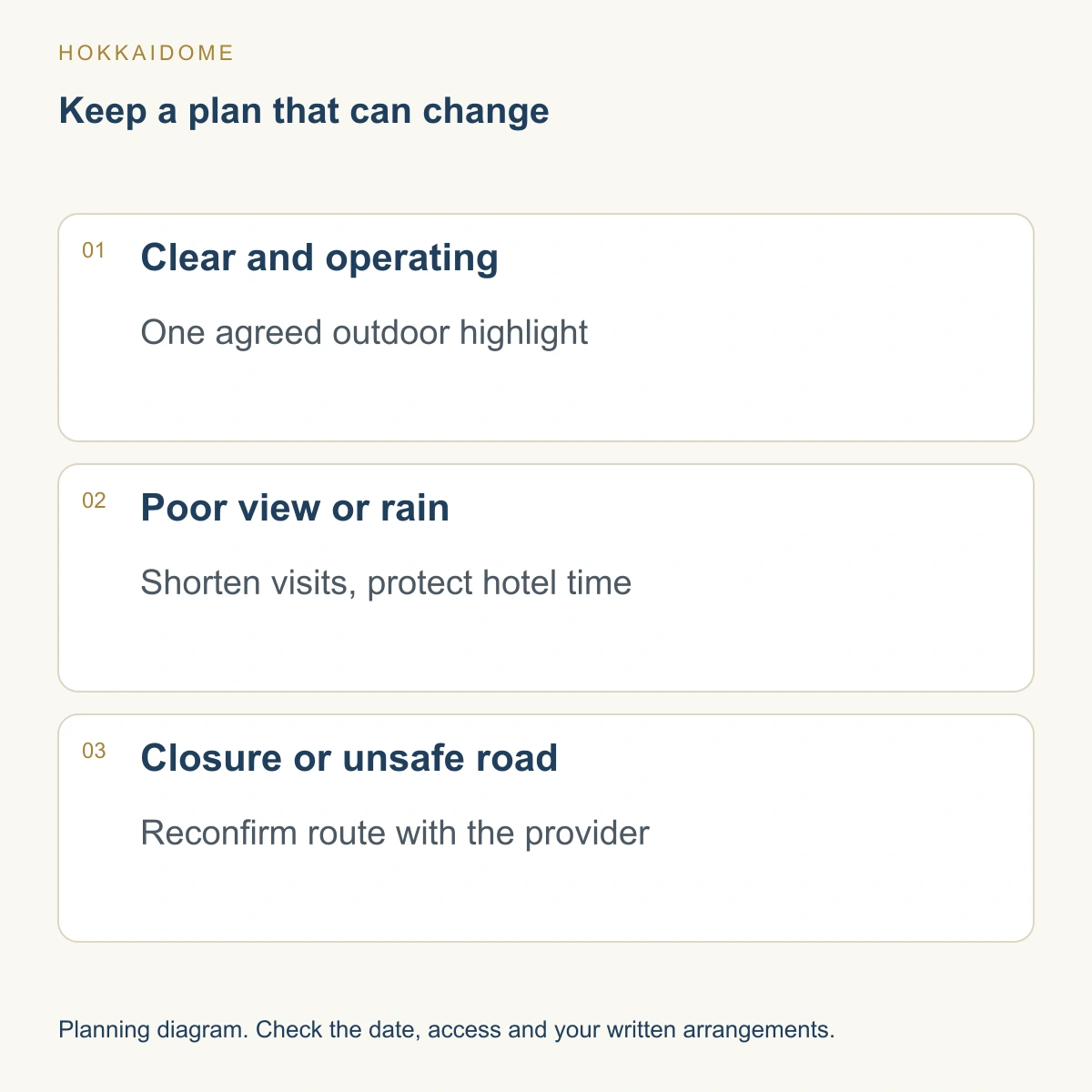
Separate a poor view from an unsafe or unavailable journey. Cloud may make a ropeway visit less worthwhile while the hotel transfer still operates. A closure, severe road condition or operator suspension is a different problem and requires a revised transport plan. Do not promise the same mountain road in every season. Ask the provider to choose an appropriate route and allow that decision to change with official road information. A sightseeing cancellation also does not automatically establish the refund terms for every separately booked hotel, ticket or vehicle.
Prepare three versions of day three: the full agreed Usu visit followed by Noboribetsu; a short lake-area morning followed by an earlier hotel arrival; or a direct inter-hotel move with local time after arrival if conditions allow. These are choices to discuss before the day, not a promise that any replacement attraction is included. In winter, add warm indoor breaks and check footwear for the paths that remain open. In rain, a relaxed lunch and more hotel time may be more useful than driving between viewpoints with no view.
If you want fewer hotel moves: three alternatives
One city base: keep all three nights in Sapporo, make Otaru the main day trip, and choose one further excursion only after checking the travel burden. This gives more flexible city meals and no suitcase transfer between hotels, but does not recreate a night beside Lake Toya. Two bases: keep one Sapporo night and two nights in either Toya or Noboribetsu, using the second regional day for a limited excursion or rest. Airport-first protection: if the departure is early, spend the final night near the airport and remove the activity that no longer fits.
These alternatives change what the holiday is for, so compare them before paying for three separate hotels. The useful choice is between the experiences you can enjoy, not between an impressive-looking list and a modest one. Keep the Otaru day-trip guide, transport price guide and booking FAQ beside your hotel plan. Share the version you prefer, your flights and full hotel addresses when requesting a route-specific quote.
Four-day Hokkaido itinerary questions
What fits into a Hokkaido 4 day itinerary?
A focused south-western circuit can use one Sapporo night, one Toyako Onsen night and one Noboribetsu night, with New Chitose Airport at either end. Arrival and departure take part of the four days. This is a city, lake and onsen journey; it does not also include a full Furano, Niseko or Hakodate visit.
Is changing hotel every night worthwhile?
It can be if staying beside the lake and in an onsen town is the purpose of the trip. It is less suitable if packing, moving children or carrying luggage is a major burden. In that case, keep a Sapporo base and take one day trip instead of forcing this particular route.
Can this four-day route be done without a car?
Potentially, with the train and bus connections checked for each date and hotel. Toya Station, Toyako Onsen and the Usu ropeway are separate stops. A direct inter-hotel sightseeing day is simpler by a prearranged vehicle; do not assume that every attraction sits on the same bus route.
Does the Lake Toya night include a guaranteed firework display?
No. A lakeside hotel night is the core of the plan. Any seasonal event, cruise or performance must be checked for your dates and conditions, including the actual viewing arrangements. Do not choose a room or promise the group an event solely from an undated photograph.
Can I add Hakodate to these four days?
That would be a different itinerary. To include Hakodate comfortably, remove another region, add nights or consider a journey using a different arrival or departure airport. Keeping all three overnight areas and adding a distant city would replace the intended pace with substantially more travel.
What if the Usuzan Ropeway is closed?
Use a shorter lakeside plan or an agreed alternative and continue to the next hotel. Check the operator before travelling to the base station. The main attraction should not be a fixed connection on which your dinner or airport transfer depends.
Can I book just the hotel-to-hotel sightseeing transfers?
Yes, ask for the exact services you need. Send all hotel addresses, dates, bags and intended stops, including any required dinner arrival. The written quote determines what is included; an ordinary direct transfer price should not be read as an open-ended sightseeing charter.
What changes if my final flight leaves early?
Plan the last night and transport around that flight first. An airport-area night or a reduced route may be more sensible than leaving Noboribetsu extremely early. Share the booking and terminal so the final itinerary can be checked as a complete journey.
Plan a useful journey between hotels with agreed sightseeing stops.
Official references for the final bookings
Reviewed 23 October 2026. Hotel sequence, activity choices and checklists are HokkaidoMe editorial examples. Transport and attraction arrangements must be checked for the actual dates.
Send your flights, proposed hotel addresses, group and luggage, fixed meal times and the experiences that matter most. We will check the requested journeys and vehicle options.
We reply in English with availability and a personalised quote. A form enquiry does not create a confirmed reservation.
Fields marked * are required. Please use your local travel dates in Japan.