Hokkaido 2 Day Itinerary: Sapporo, Otaru & One Night
Settle into Sapporo, enjoy a compact first afternoon and choose day two around your flight. Add Otaru when there is room for it, with a clear plan for bags and departure.
HokkaidoMe planning team · Reviewed 15 November 2026
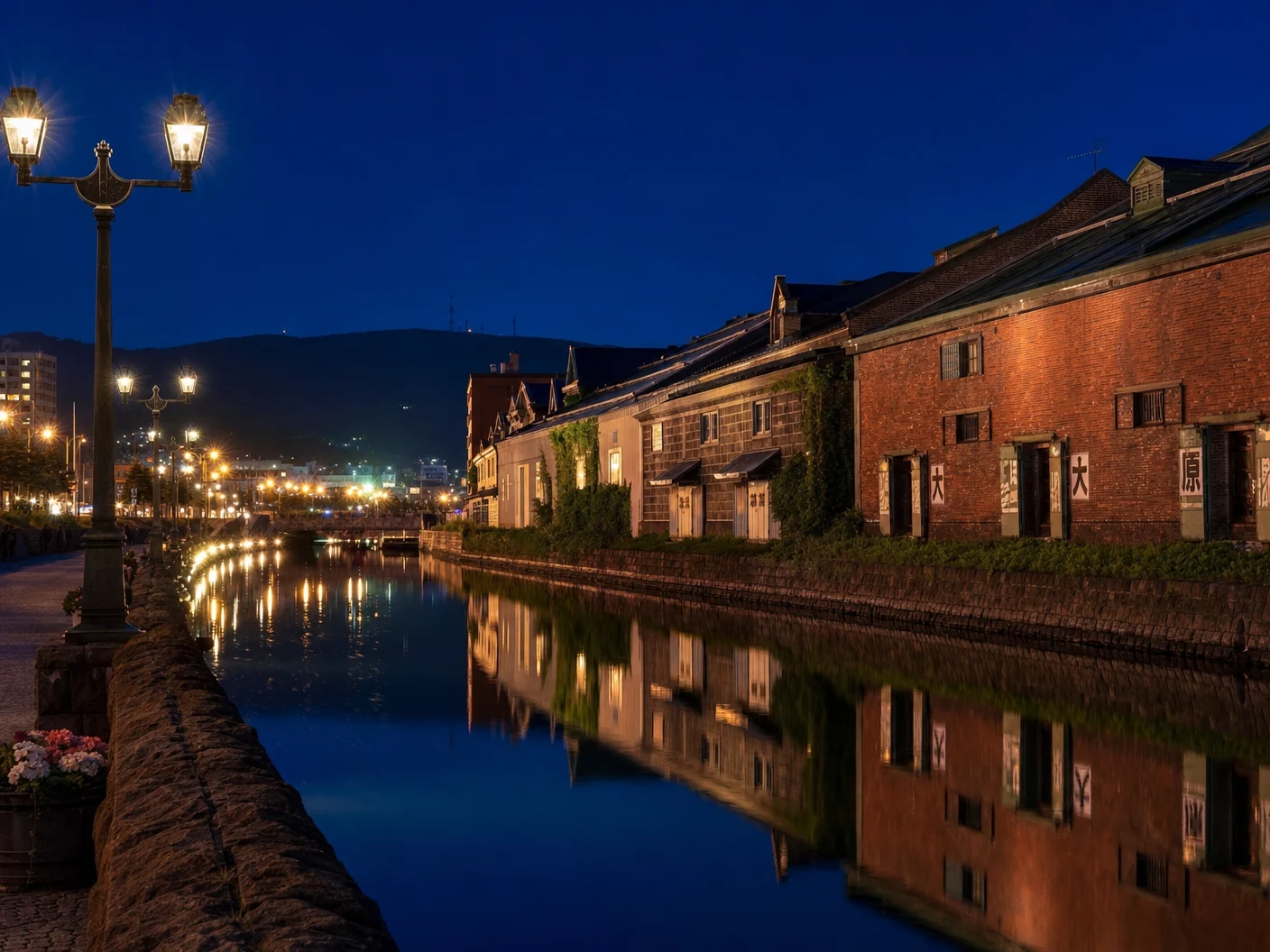
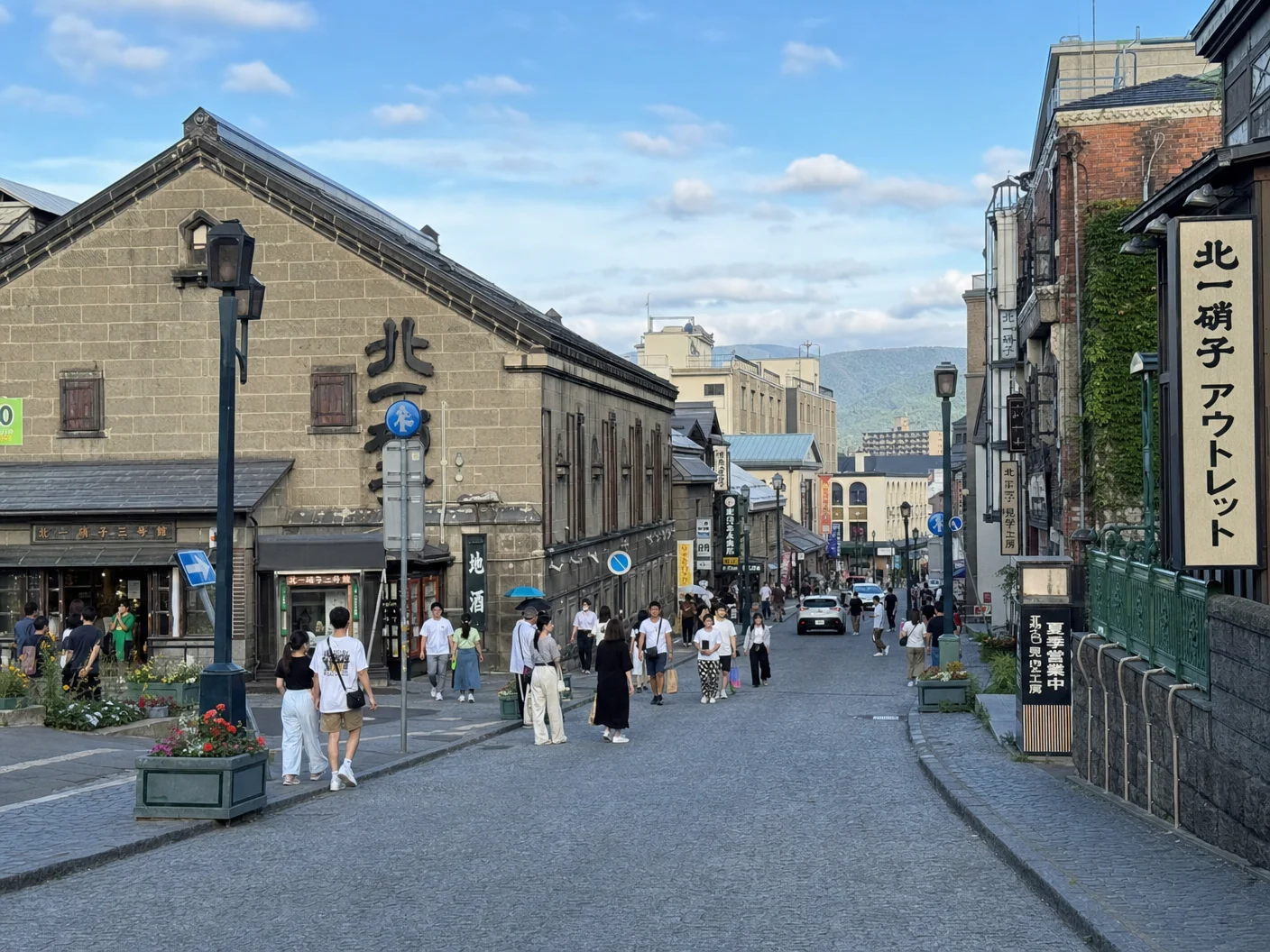
Otaru is a second-day option when the departure window leaves a comfortable visit.
2 calendar daysArrival and departure included
1 hotel nightA single Sapporo base
Day 2 choiceOtaru or a closer city outing
A Hokkaido 2 day itinerary with one useful overnight base
With one night in Hokkaido, the most valuable decision is where to stop travelling. This itinerary uses one Sapporo hotel, a compact arrival afternoon and a second day chosen around your departure. Otaru is an option when your flight leaves enough time; it is not a compulsory box to tick.
Two calendar days are not automatically two full sightseeing days. Write down when you can be ready after arrival formalities and when the next day’s airport journey must begin. The hours between those points determine whether you have a city break, a city-and-coast visit or simply an overnight stop.
Use this as a flexible first-visit outline, with no hotel change and a clear finish. For a single available ground day, our Hokkaido one day trip guide offers a more appropriate set of alternatives. If you can add a night, the three-day plan may give the journey more room; check that route against your actual priorities.
Part of the visit
Main plan
What changes it
Day 1 · arrival
Airport → Sapporo hotel and bags → one central area
A late or delayed flight makes this a hotel-and-dinner day
Night 1
Stay in the same Sapporo hotel
Check the actual meal, check-in and luggage arrangements
Day 2 · generous departure window
A focused Otaru visit, then the confirmed airport journey
Shorten or remove Otaru if the flight or conditions require it
Day 2 · tighter departure window
A nearby Sapporo interest, bags and airport transfer
An early flight may leave no sightseeing window
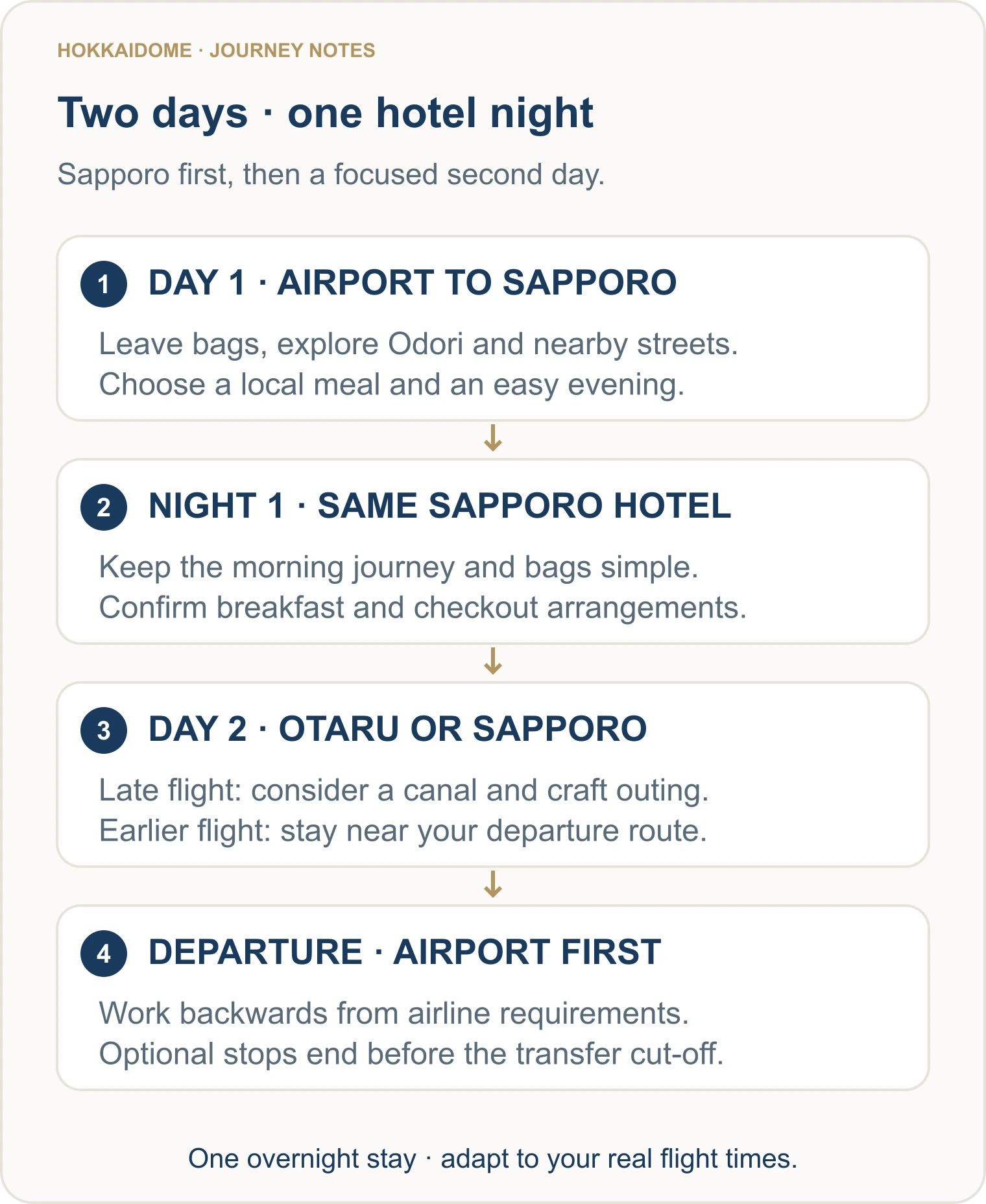
One hotel night and two calendar days. The second-day choice follows your real departure time.
Two calendar days are not automatically two sightseeing days
The plan on this page is a short New Chitose-arrival and departure trip with one hotel night. Two full days already in Sapporo provide much more usable time than an afternoon arrival followed by a morning flight. Write the actual flights above the itinerary before deciding whether Otaru fits. Include arrival procedures, bags, the hotel journey and the airline’s departure requirements.
With an early arrival and a genuinely late second-day departure, central Sapporo plus a selective Otaru visit is worth assessing. With an afternoon arrival, choose one city area and dinner on day one, then test a short Otaru core against the return journey. With an early day-two flight, stay with Sapporo on arrival day and keep departure day for the airport. Removing Otaru is a valid route choice rather than a failed holiday.
Protect the single night
The evening is the one part of the trip that does not have to be shared with an airport journey. Choose the hotel and dinner together. A restaurant across the city followed by another distant viewpoint can consume the rest that makes the second day enjoyable.
Day 1: arrive in Sapporo and keep the afternoon compact
Choose your airport-to-hotel journey before deciding the afternoon’s attractions. JR provides airport services into Sapporo; a direct private transfer can help when the group has several suitcases, child seats or an address away from the station. Include the final hotel connection in either comparison.
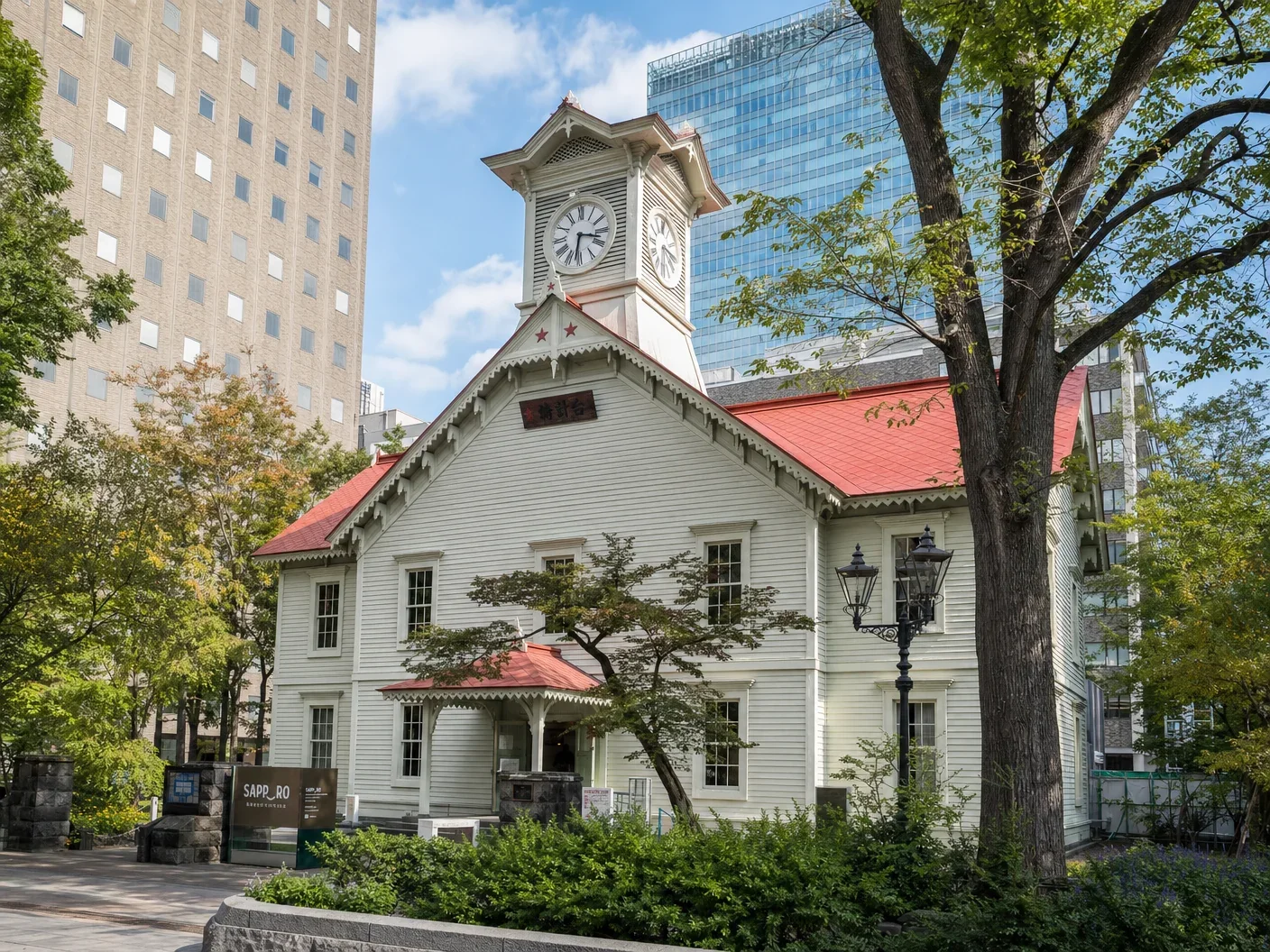
Drop bags with the hotel if its arrangements allow, have a proper meal and begin around Odori Park. The Clock Tower and TV Tower area give you several nearby choices without forcing you into another long journey. Pick the one that interests the group, then leave time for sitting down or returning to the hotel.
The official Sapporo walking route provides more ideas than most arrival afternoons need. Use it to choose a small section. A history-focused visit, a view from above or a shopping and food walk can each be enough; you do not need to complete every landmark after a flight.
For the evening, keep dinner close to your base. Book a specific restaurant only after checking that the arrival plan gives you enough room, and communicate dietary requirements before ordering. A mountain night view is optional and weather-dependent, rather than the moment that decides whether the first day was successful.
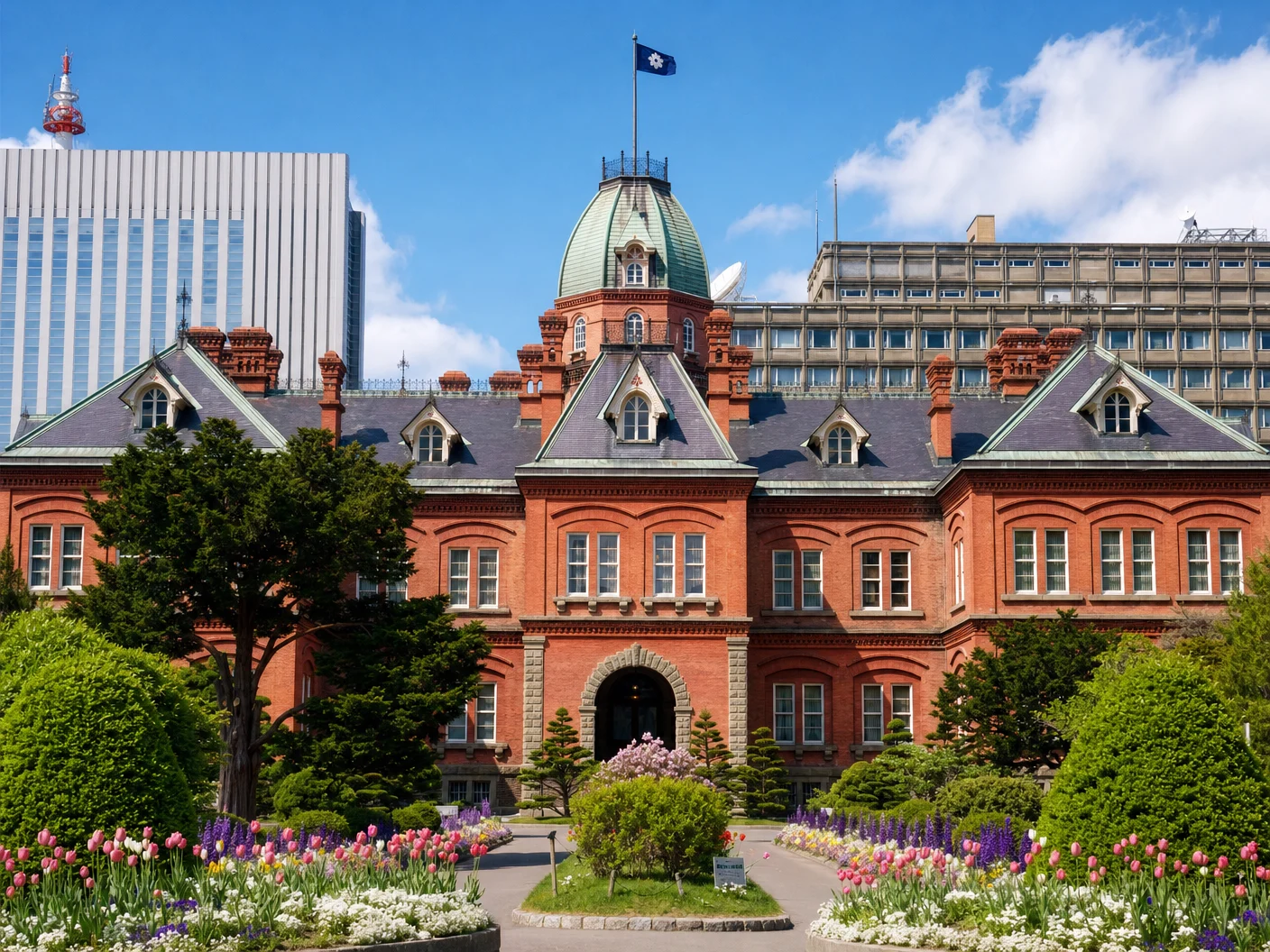
A central Sapporo stay makes it easier to choose a compact arrival afternoon and return to the same hotel.
Choose the overnight location by bags and the next morning
A hotel near Sapporo Station can simplify the rail legs, but compare the real station entrance and the walk with luggage. An Odori-area property can suit the compact central walk and evening food; add the connection back to the airport train. Susukino can suit dinner priorities, while a room farther from a convenient station changes the morning departure. The full address is more useful than the broad district name.
Ask about early bag storage and collection after checkout. A one-night booking does not promise access to a room before check-in, and a later collection creates a detour if you are already in Otaru. Either plan the return through the hotel or confirm a different storage and transport arrangement in advance. Keep medication, weather protection and the essentials for children with you.
An Otaru overnight is an alternative route
If the canal at dusk is the main reason for the trip, consider travelling to Otaru on day one and sleeping there. The next day must then be rebuilt around the onward airport journey and any Sapporo stop. Do not simply move the hotel name while retaining a day-one Sapporo evening and a day-two departure from another place.
Day one: a central walk or one main attraction
For a first short visit, use the Clock Tower and eastern Odori area as a compact city walk, with time to look at the buildings and choose a meal. Add an interior visit only if its hours and the group’s energy fit. This brings the city’s streets and park together without spending the afternoon moving between distant suburbs. A viewpoint is worthwhile when the view is the priority and the conditions support it.
If your main interest is a confectionery attraction, a museum or Maruyama’s greenery, make that the main visit and shorten the central walk. These places have different approaches and visiting needs. A city itinerary that lists them all may assume a full morning on the ground; it should not be copied into an arrival afternoon.
Choose one main evening meal
Pick the kind of dinner the group most wants and check seating, last orders and reservations. Families may prefer an earlier cooked meal; a group with allergies needs ingredients and cross-contact discussed directly with the restaurant. A late dessert or shopping stop can remain optional. Eating is part of the trip rather than time that can always be squeezed between landmarks.
Day 2: Otaru when the departure window allows
Before breakfast, know the latest time your sightseeing needs to finish. The day has checkout, bags, the outward journey, walking and food, then the complete airport connection. If those pieces leave a comfortable visit, Otaru gives a different atmosphere from Sapporo without changing hotels.
Use the canal as an anchor, then choose one part of Sakaimachi for glass, music boxes, local sweets or another personal interest. Add a seated meal instead of trying to combine every shop, the aquarium, a distillery and a ropeway. A booked cruise or workshop becomes the main activity and needs its own check-in allowance.
The canal-cruise operator gives around ten minutes on foot from JR Otaru Station to its boarding point. Bags, snow and individual walking pace can change that approach. Use current transport and attraction information rather than treating a map pin as the time at which you are ready to start.
When it is time to leave, finish the visit. The final shop or photograph is optional. A driver and a written route can simplify the luggage and pickup process, but road conditions can still change. With scheduled transport, include the connection and the final terminal walk as well as the main train journey.
Combine one craft or food interest with the canal, keeping the airport journey separate from optional stops.
Day two: a focused Otaru visit with a defined exit
Travel to Otaru for the canal, historic streets and crafts, then give the town a proper meal or cafe pause. Pick a section of Sakaimachi rather than trying to finish every shop and museum. If a glass workshop or cruise matters, confirm its session, check-in, participant conditions and finish time first. Build the walking route around that booking and the required onward departure. Allow for collection as well as making time: Taisho Glass's workshop guidance distinguishes glass beads that need cooling from blown pieces that cannot be taken away the same day. Before a flight-day session, confirm the collection time, any return to the shop and whether shipping to your address is available, including its separate charge.
Keep the station or vehicle meeting point in view as you walk. The distance back to stored bags and any uphill or icy section affects the usable visiting time. A route ending near Minami-Otaru needs its actual walking and train connection checked; it is not automatically the best exit for every group. Agree a practical pickup point if using a car.
Cut a detour before cutting the airport margin
Mount Tengu, the Shukutsu aquarium and Yoichi are separate outings with extra travel. For this flight-sensitive day, replace part of the town visit if one is essential. Do not add all three to a canal walk and assume that a faster lunch will make the return work.
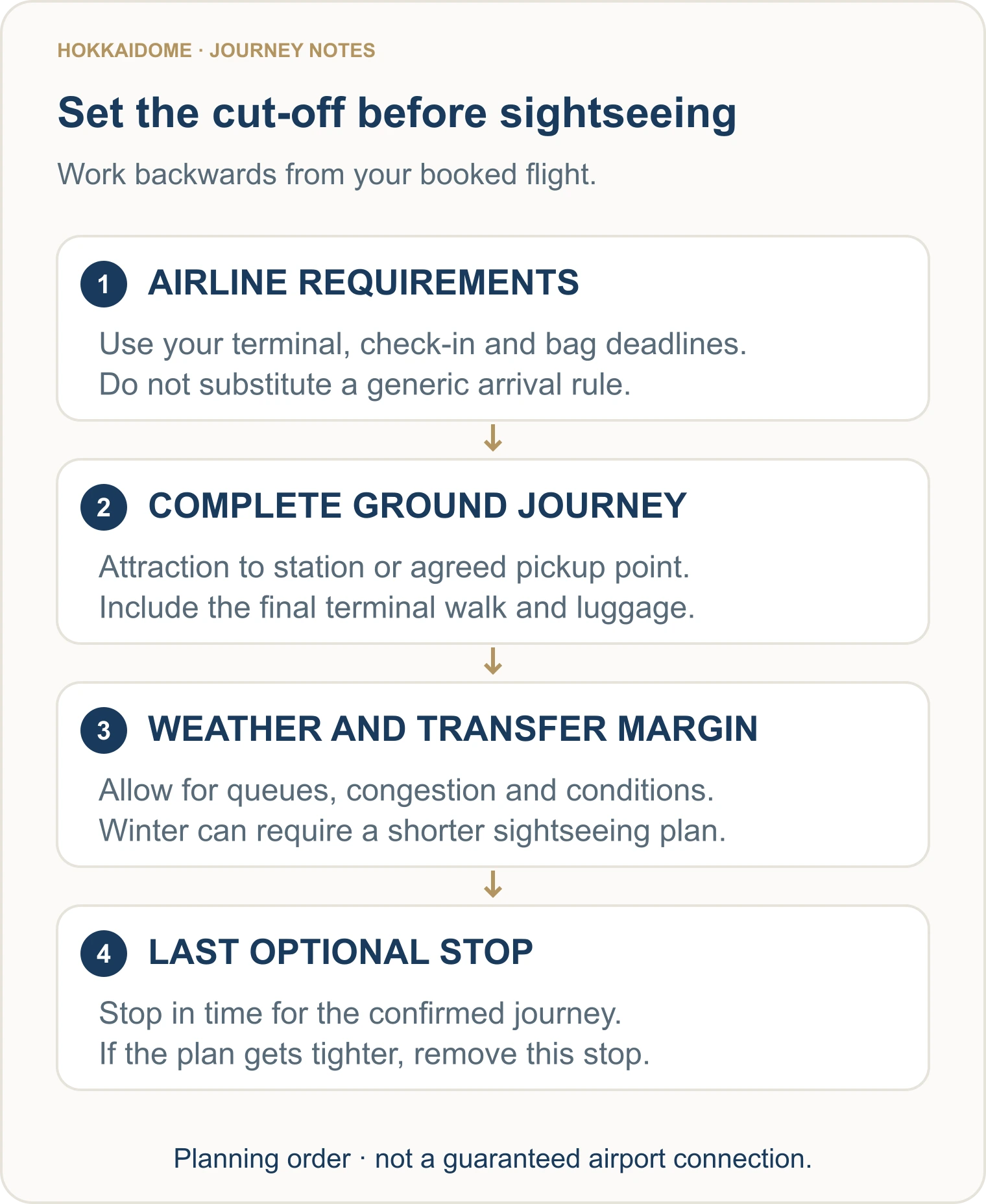
Build day two backwards from the flight
Use the actual airline, airport terminal and baggage arrangements to set the requirement. The sequence below is a planning method, not a universal check-in allowance or a promised connection.
Confirm the airport requirement first, then set a sightseeing cut-off that protects the journey.
Departure situation
Second-day approach
Keep the decision simple
Early flight or little usable time
Breakfast if possible, checkout and airport
No off-route attraction before departure
Some time but a tight return
One nearby Sapporo interest
Collect bags and take the planned airport journey early
Late flight with a generous window
Consider a selective Otaru outing
Agree the pickup and cut-off before leaving Sapporo
Snow, delay or disrupted service
Shorten the route or go directly to the airport
Remove optional stops instead of spending the travel margin
If your booking involves separate tickets, an onward international journey or unusual baggage, ask the relevant airline about the arrangements. A travel article cannot establish which check-in, transfer or entry rules apply to your individual booking.
Check out and decide who is responsible for collecting each bag. Hotel storage can be useful only if the return trip to that hotel fits the route. If all luggage travels with the vehicle, send sizes and large items before capacity is confirmed.
A worked departure calculation you can replace with your own
As a worksheet only, suppose a flight leaves at 20:00 and your airline requires you at the terminal by 17:00. If you allocate two hours for the complete ground journey and one further hour of contingency, the sightseeing departure is 14:00: 17:00 minus two hours minus one hour. These are invented planning inputs, not a claim that Otaru–airport always takes two hours or that every airline requires three hours.
Now replace the terminal deadline with your airline’s instructions and the travel allowance with the actual dated journey. Include hotel bag collection, station access, waiting, transfers and the walk inside the correct terminal. If that pushes the sightseeing exit before lunch, shorten Otaru or stay in Sapporo. For an international flight, a generic domestic-airport example should never set the return deadline.
Make the decision before buying another ticket
Put a reminder against the final optional stop. A queue, weather change or missed service should trigger the shorter route while there is still room to act. A reservation for a vehicle, meal or workshop does not make a flight connection guaranteed.
Winter and bad-weather alternatives
A short winter visit benefits from a smaller walking area and somewhere warm between outdoor sections. Suitable shoes, accessible coats and time for slower movement matter more than adding another photo stop. If transport conditions or the forecast make Otaru uncertain, give Sapporo the second day instead.
Choose one indoor interest close to your hotel or confirmed departure route, check its current opening arrangements and allow time for lunch. A museum, a shopping area and an observation visit are alternatives; they do not need to become a new three-stop programme.
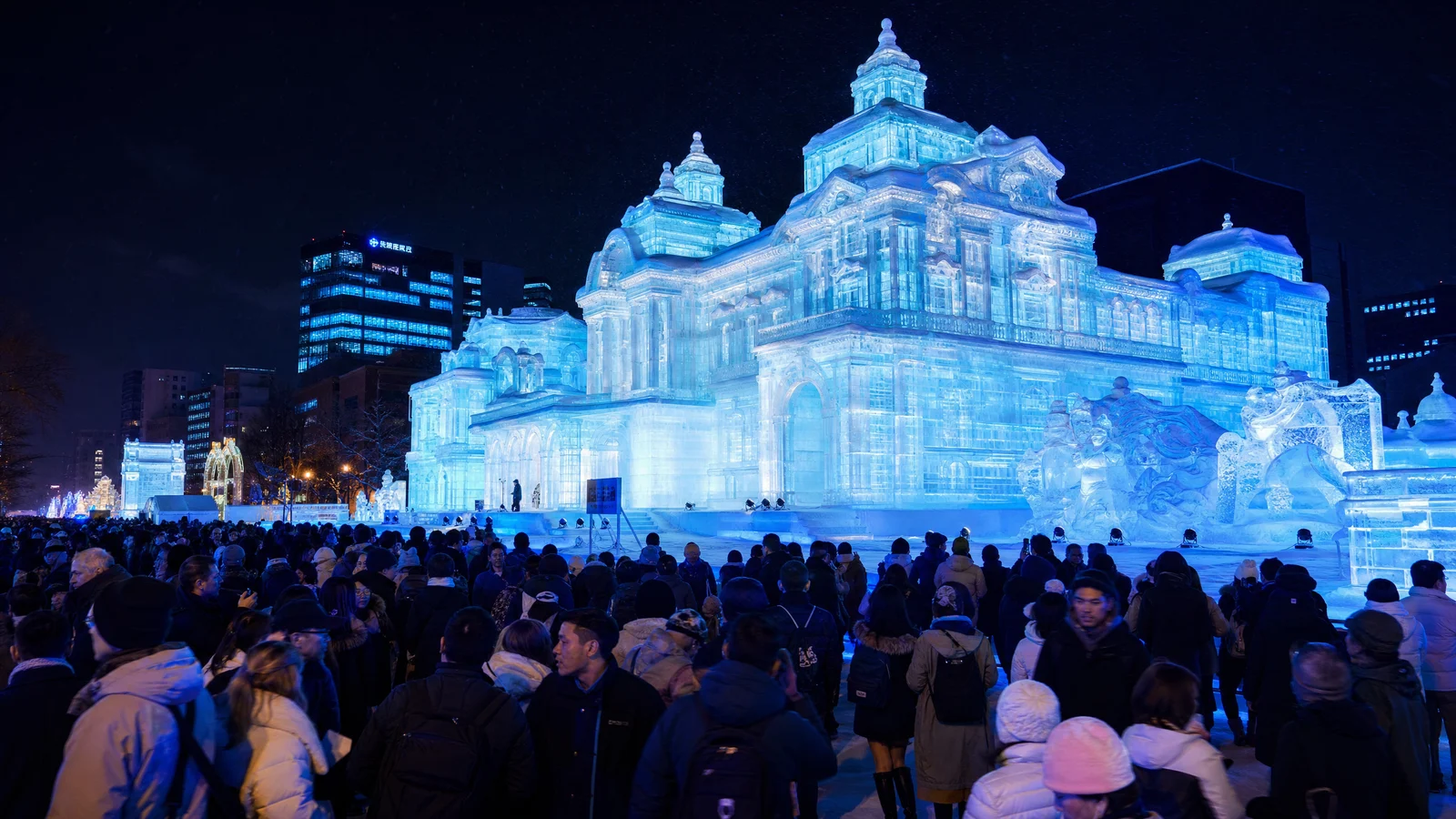
Festivals and winter activities operate on specific dates and conditions. Do not assume that a snow-festival itinerary applies to every winter weekend, or that a ski session fits between checkout and a flight. If an activity is the reason for travelling, give it enough booked time and build the flights around it.
Use shorter outdoor sections and warm breaks in winter. Event dates and transport conditions need separate checks.
Winter and rain: choose the shorter version early
In snow or ice, the central walk takes more care and the driving margin may grow. Use fewer outdoor stretches and a warm break where it fits the actual route. If Otaru would leave too little room for the complete airport journey, choose a Sapporo morning or proceed directly to the airport. Do not rely on a summer journey estimate or make the last attraction compulsory.
In rain, an indoor attraction can be useful when its opening, admission and access are confirmed. It should replace an exposed visit, not create another trip to the opposite side of the city. A covered shopping street does not make every road crossing covered or accessible. Share walking and boarding needs with the planner, including the slowest member of the group.
If the flight or inbound journey changes
Update the hotel, reserved activity and transport provider as applicable, then rebuild the usable hours. Keep the priority meal or one nearby visit if possible. The purpose of the one-night plan is a satisfying short break; a weather-dependent list should not become an obligation to rush.
Prefer an onsen stay? Choose a different one-night route
A one-night hot-spring visit can be a good alternative when the hotel and bathing experience are the main purpose. Choose the property, its meal times and access first, then decide whether a nearby stop genuinely fits. The plan should leave time to enjoy the accommodation rather than arriving just before dinner and rushing away the next morning.
Lake Shikotsu is one possible airport-side focus; a Noboribetsu stay is a different route with its own transfer. Use the lake and onsen planning guide to compare areas, then select one main stay. A list of three onsen areas is not a recommendation to see all three in one night.
Read the Japan travel etiquette guide before a shared-bath visit, and confirm tattoo, privacy or mobility requirements directly with the property. These details can determine which stay is suitable long before you compare room photographs.
Compare the complete short-trip cost
Budget item
For one night / two days
What to confirm
Accommodation
One actual hotel night
Room occupancy, meals, cancellation and luggage storage
Ground journeys
Arrival and departure plus the chosen outing
All passengers, bags, stations, hotel connections and route
Meals and activities
Only the experiences you plan to use
Admission, reservations and any dietary arrangements
Contingency
Room for a changed journey
Your own insurance and alternate transport arrangements
A car does not need to sit outside your hotel for the whole visit. You might use a direct arrival transfer, walk independently in Sapporo and book an agreed day-two charter. Alternatively, convenient rail journeys may suit the whole route. Compare the group’s door-to-door plan, not only a vehicle rate against one person’s train fare.
For HokkaidoMe arrangements, send both flights, your full hotel address, the two-day priorities and all people and bags. Our pricing page explains published service conditions; the written quote confirms your actual route and inclusions. Admission, guiding and sightseeing should not be assumed to be part of a direct airport transfer.
Rail arithmetic and the cost of collecting bags
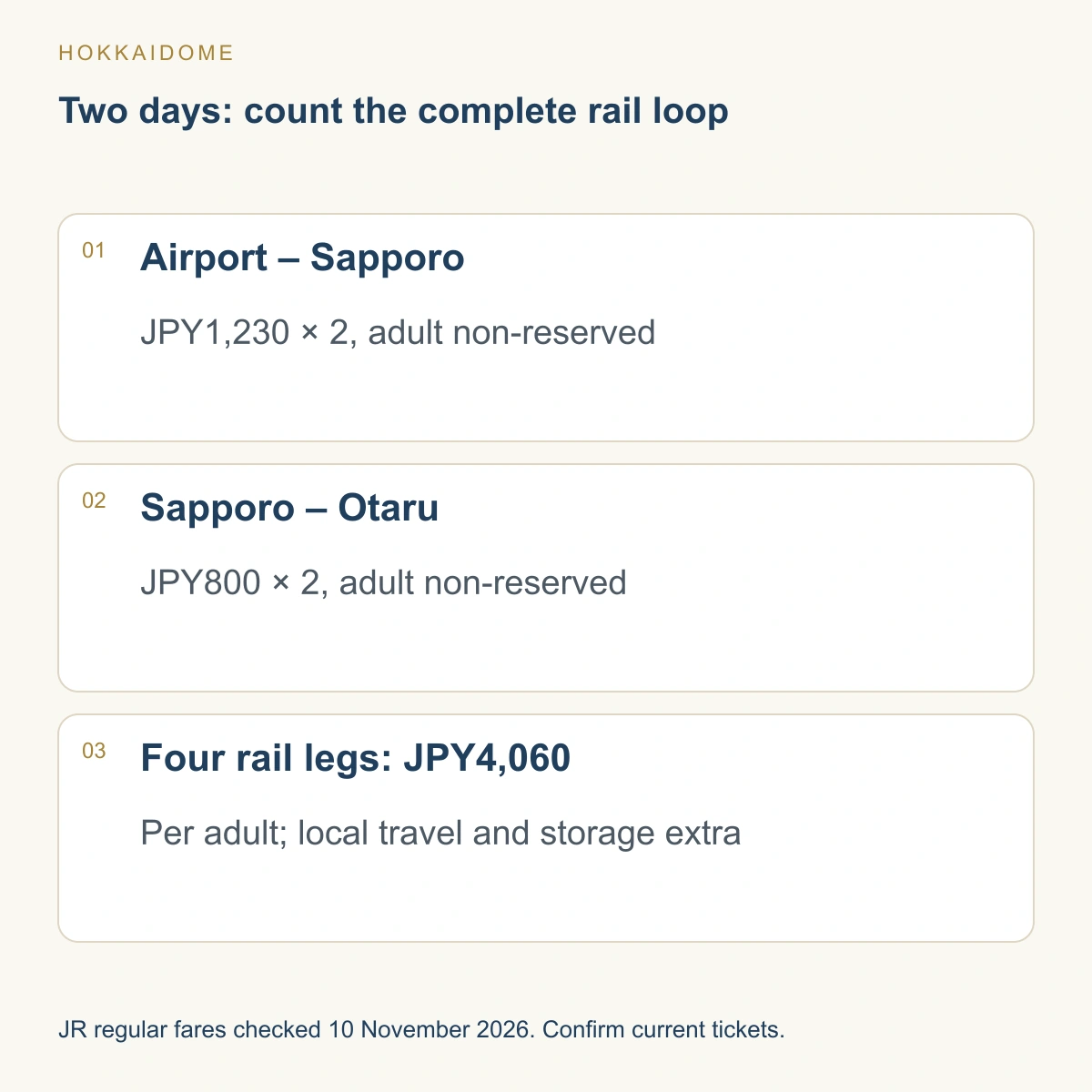
JR Hokkaido’s regular fares checked on 10 November 2026 list New Chitose Airport–Sapporo at JPY1,230 and Sapporo–Otaru at JPY800 for an adult non-reserved one-way journey. Airport → Sapporo → Otaru → Sapporo → airport therefore totals JPY4,060 per adult, or JPY16,240 for four adults, before subway journeys, storage, admission, food or accommodation. Reserved seats and other products change the price.
The same official table lists an adult non-reserved Otaru–airport fare of JPY2,040. That can be relevant when travelling onward with the bags, but compare the whole route and storage arrangements. A small fare difference is not a reason to carry unsuitable luggage through a crowded visit or miss a hotel collection deadline. Confirm the actual train and any transfer on your travel date.
Compare a car with the same task
Ask for the specific pickup, Otaru visit, luggage and final terminal journey with agreed hours. A direct airport-transfer fare is not the price for a sightseeing day. Compare the whole-vehicle quote with the correct number of person fares and the same inclusions, keeping meals, experiences and any specialist guide separate unless confirmed in writing.
Two days in Hokkaido: common questions
Is two days enough to visit Hokkaido?
Two days and one night can give you a compact first visit, especially with a Sapporo hotel and one nearby interest. It is not enough for a comfortable whole-island circuit. Count arrival and departure honestly: a late arrival followed by an early flight may leave little sightseeing time.
Where should I stay for one night?
For the Sapporo and Otaru outline, choose one Sapporo hotel that works for your arrival, bags and next-day departure. An onsen-centred trip can use a different base, but that should be planned as a different route. Do not add a hotel move to a visit with only one hotel night.
Can I visit Otaru before a flight on day two?
It can work with a sufficiently late flight and a confirmed complete ground journey. Set the airport arrival requirement and the latest sightseeing finish first. If the available time is tight, stay in Sapporo and make Otaru a future visit instead of using the last possible connection.
Can I fit Sapporo, Otaru, Furano and Biei into two days?
That combination leaves too much of a short stay to transfers, especially when both flight days are included. Use Sapporo and one nearby interest for this plan. If Furano and Biei are your main reason for visiting, choose a different route and enough countryside time.
Do I need a private driver on both days?
Not necessarily. A direct airport transfer and an independent city afternoon may suit day one, while a luggage-heavy hotel checkout and custom outing may benefit from a vehicle on day two. Compare the complete group journey rather than adding a vehicle to every hour automatically.
What should I do with bags after checking out?
Ask the hotel about storage or confirm station storage before relying on it. Include the return to collect bags in your route. With a vehicle, disclose every suitcase and large item so capacity can be confirmed; do not assume that passenger capacity also describes luggage capacity.
Can the one-night trip focus on an onsen instead?
Yes, but make the onsen stay the purpose of the trip and arrange its check-in, meals and departure directly. A lake or other stop is optional if time and conditions support it. Do not append the complete Otaru itinerary to a hot-spring route with a fixed flight deadline.
Is this two-day itinerary suitable in winter?
Use it as a flexible outline with shorter walking sections and warm breaks. Consider a Sapporo-only second day when conditions or an airport deadline make Otaru less comfortable. Check current transport notices and actual attraction access shortly before travel.
Use a focused single-day plan when flight times reduce the stay.
Current local information for your final plan
Reviewed 15 November 2026. This one-night outline, budget structure and flight cut-off method are HokkaidoMe editorial examples, not a fixed package or timetable. Verify the actual hotel, transport and activity arrangements before booking.
Share both flights, the full hotel address, group and bags, and the experiences that matter most. We will help plan selected transfers or charter days around your actual arrival and departure.
We reply in English with availability and a personalised quote. A form enquiry does not create a confirmed reservation.
Fields marked * are required. Please use your local travel dates in Japan.