Stay in Noboribetsu
Keep the day local, ask about suitable walks and leave an unhurried afternoon at the accommodation. Check whether cleaning or facility hours affect daytime use of the baths.
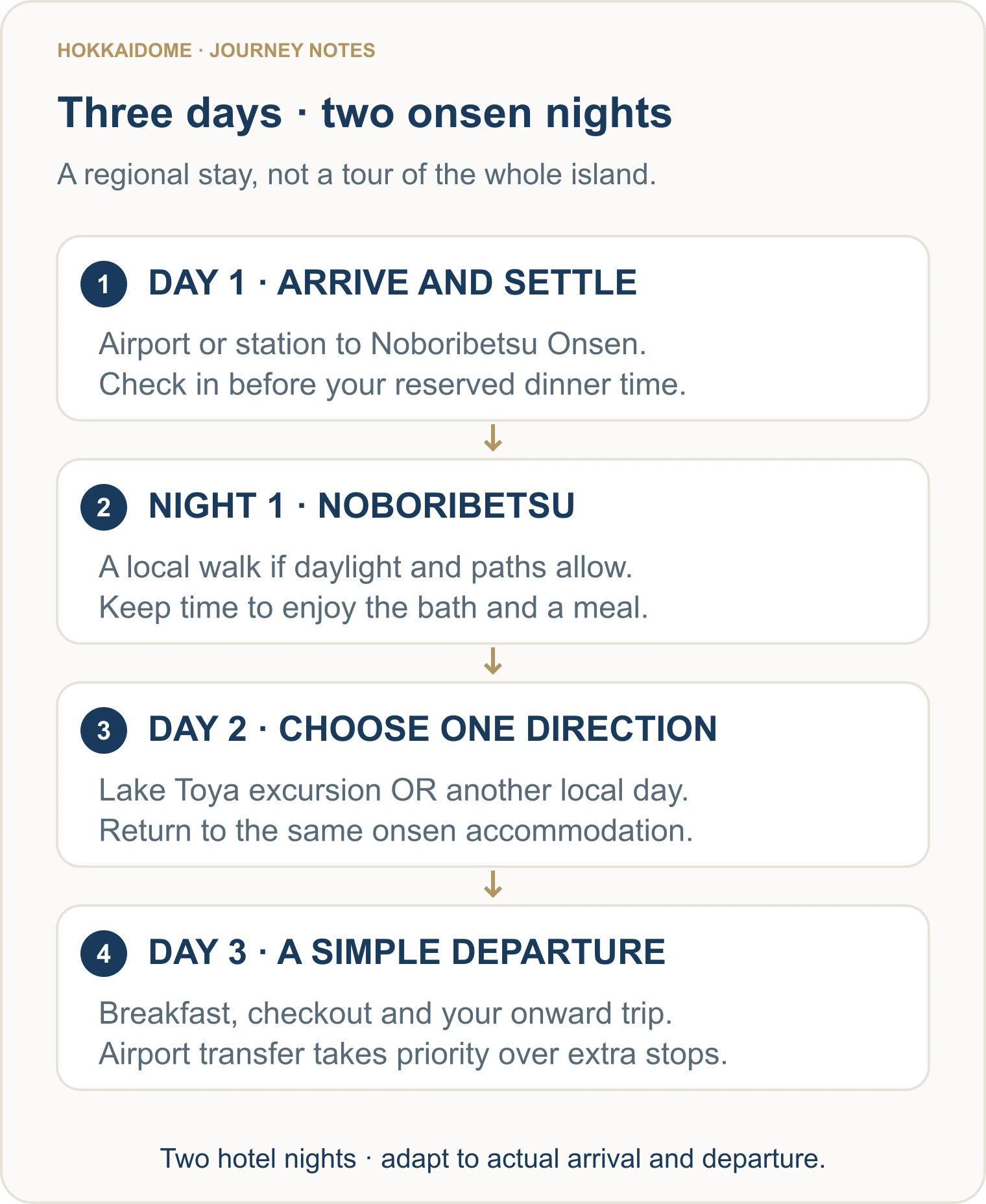
Three days · two onsen nights
Make Noboribetsu the base for two proper hot-spring nights. Enjoy a local stay, then choose one Lake Toya or cultural outing around your actual arrival and departure.
This three-day Noboribetsu itinerary gives the hot-spring stay a purpose: arrive without rushing, spend two nights in the same accommodation and choose how active the full middle day should be. It is a regional alternative to a short city break, with time for a bath and dinner that does not depend on finishing a long sightseeing checklist.
The main version begins and ends at New Chitose Airport. It assumes your arrival leaves time to reach the accommodation before its agreed dinner deadline, and your departure permits a direct airport journey after checkout. If either assumption fails, change the first or last night before adding attractions. Three calendar days do not mean three full days outside.
Travellers who mainly want city food and Otaru should use our Sapporo-based three-day Hokkaido itinerary. This page is for visitors who would rather make Noboribetsu the base, avoid repacking and choose one optional excursion. It can also sit between longer journeys, with the arrival and departure addresses adjusted.
| Day | Main plan | Overnight |
|---|---|---|
| 1 · Arrival | New Chitose Airport → Noboribetsu Onsen; settle in, optional short local walk, bath and dinner | Noboribetsu · night 1 |
| 2 · Full day | Choose a local rest day, a Lake Toya outing or a dedicated Shiraoi visit | Same Noboribetsu hotel · night 2 |
| 3 · Departure | Breakfast, checkout and direct onward transport; optional local time only when the flight permits | No overnight in this three-day plan |
Put the accommodation’s full address and meal arrangements at the top of the arrival plan. A room-only booking, a fixed-course dinner and a family with specific food needs create different deadlines. Ask the property when dinner is served and what happens if the flight is delayed. Share that information with whoever handles the transfer.
For a rail journey, plan the airport connection, the appropriate train and the final journey from Noboribetsu Station to the onsen town. The station and the hot-spring accommodation are not interchangeable destinations. The tourism association’s access guide is a useful starting point; match it to current timetables and your luggage rather than copying another traveller’s connection.
A private arrival transfer can simplify the hotel entrance and the bags. Confirm the flight number, meeting instructions, passenger and suitcase count, child seats and the exact destination. If you want an intermediate sightseeing visit, request it explicitly: a direct airport transfer does not automatically include a day of stopping along the way.
Once checked in, choose between a short local walk and staying at the accommodation. Arriving tired is a good reason to enjoy the room, meal and bath you booked. If daylight remains, ask staff which nearby route is suitable that day, then return with time to get ready for dinner.
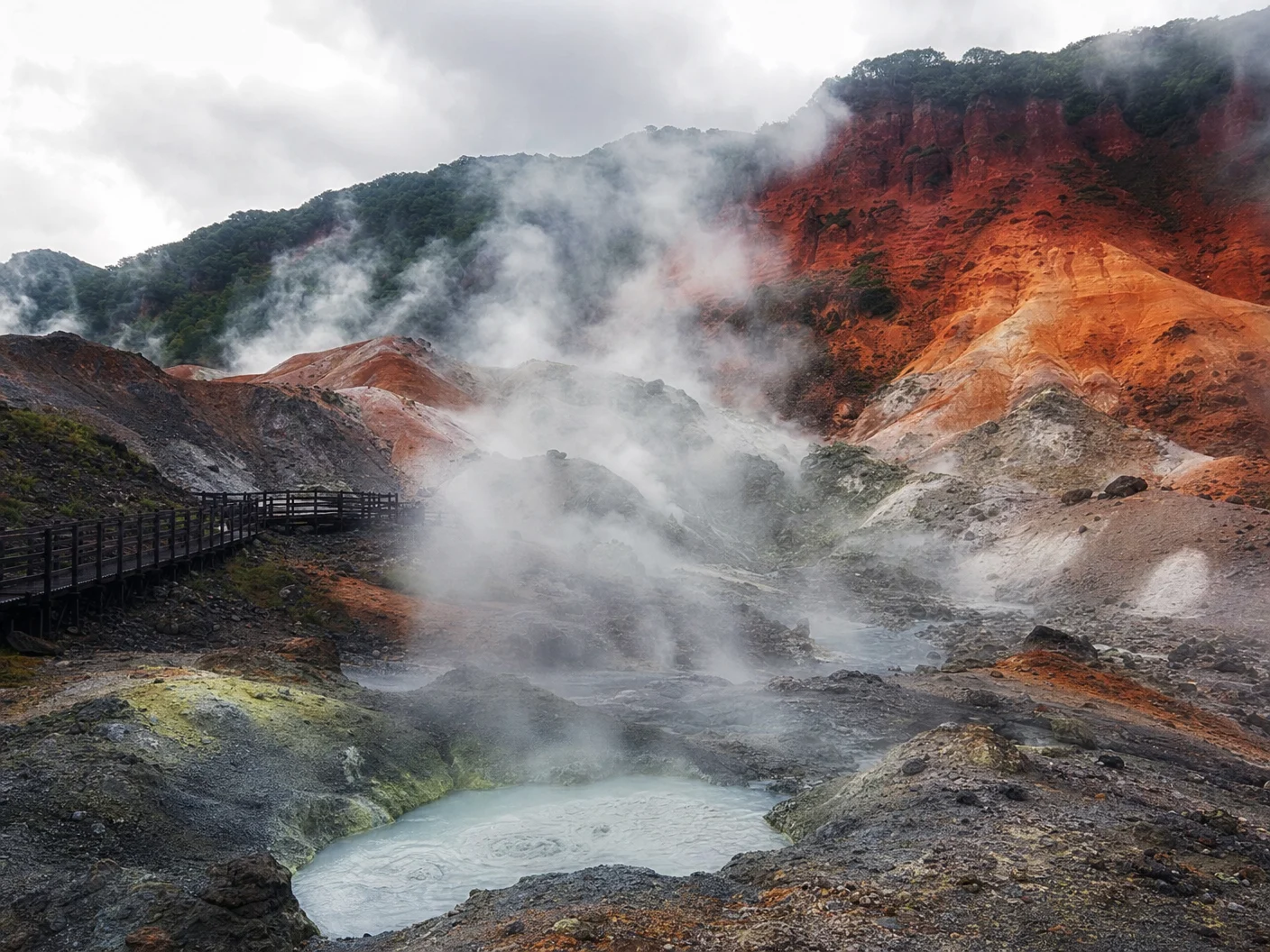
Jigokudani is the focal volcanic landscape near Noboribetsu Onsen. Start with the main visitor area and decide whether that is enough for your group. The official tourism page recommends visiting before sunset. A photograph taken on a bright autumn day does not establish the condition of the same path after snow or rain.
A traveller who enjoys long walks may want the surrounding forest paths; another may prefer a short viewpoint visit followed by lunch. Make those choices separately. Check current access and any restrictions locally, and avoid setting a hotel pickup that requires every member of the party to complete the longest available loop.
For accessibility, discuss the actual surfaces, slopes and distance with the accommodation or visitor staff. A vehicle reaching a parking area does not mean that every viewpoint or bathing facility is accessible. Ask about the specific route and room you intend to use rather than requesting a general assurance about the whole town.
After breakfast, choose the day around the experience you actually want. A second bath, an easy walk and a good lunch are a complete onsen day. You do not need to justify two hotel nights by driving to another region. This option also absorbs a delayed arrival or poor weather without losing the main purpose of the stay.
Keep the day local, ask about suitable walks and leave an unhurried afternoon at the accommodation. Check whether cleaning or facility hours affect daytime use of the baths.
Arrange a return sightseeing journey. Start with one lakeside priority, then consider the ropeway only if it is operating and the group still has time and energy.
Consider Upopoy, the National Ainu Museum and Park, as the day’s main interest. Check the official calendar, programme arrangements and the return journey before leaving.
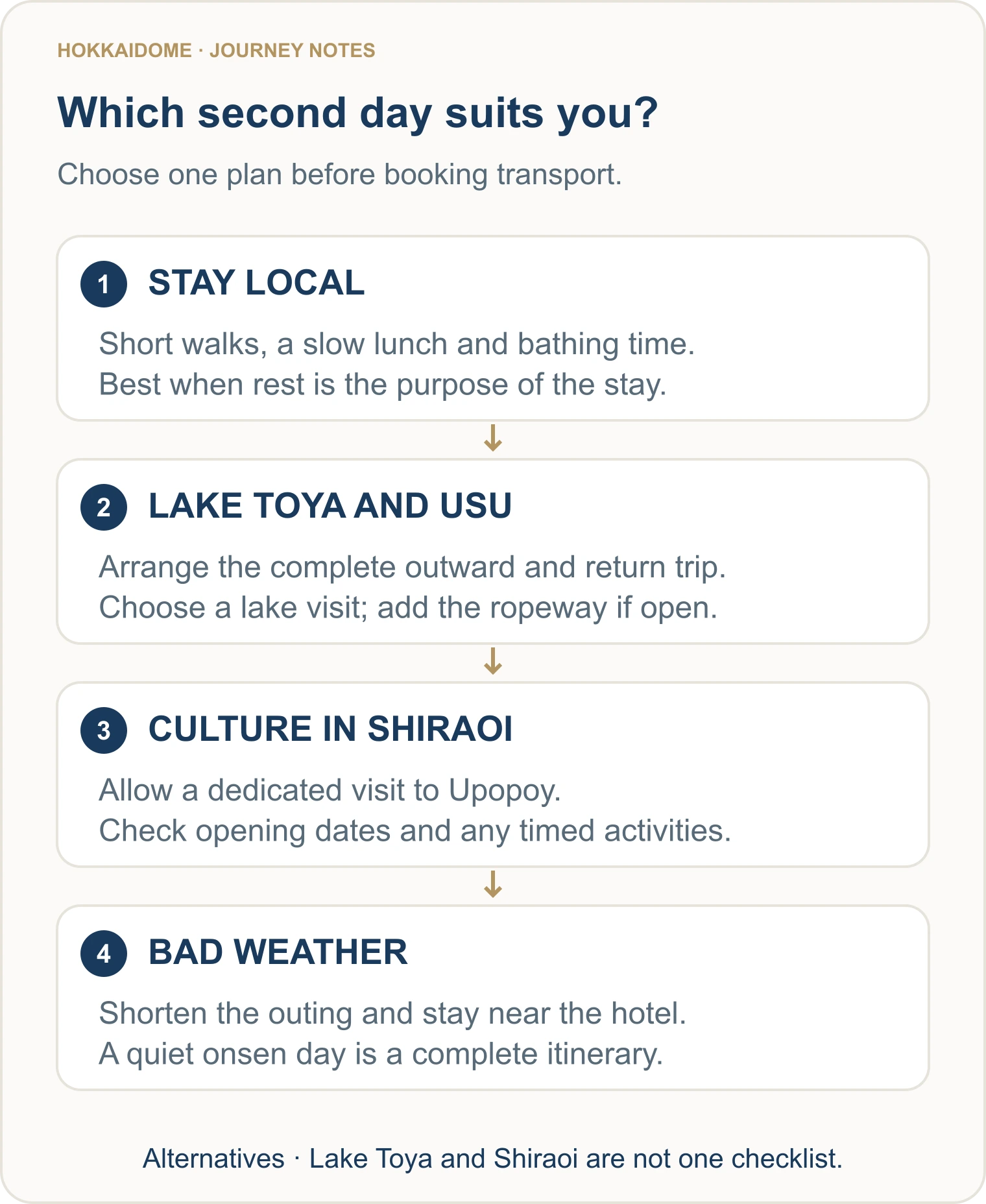
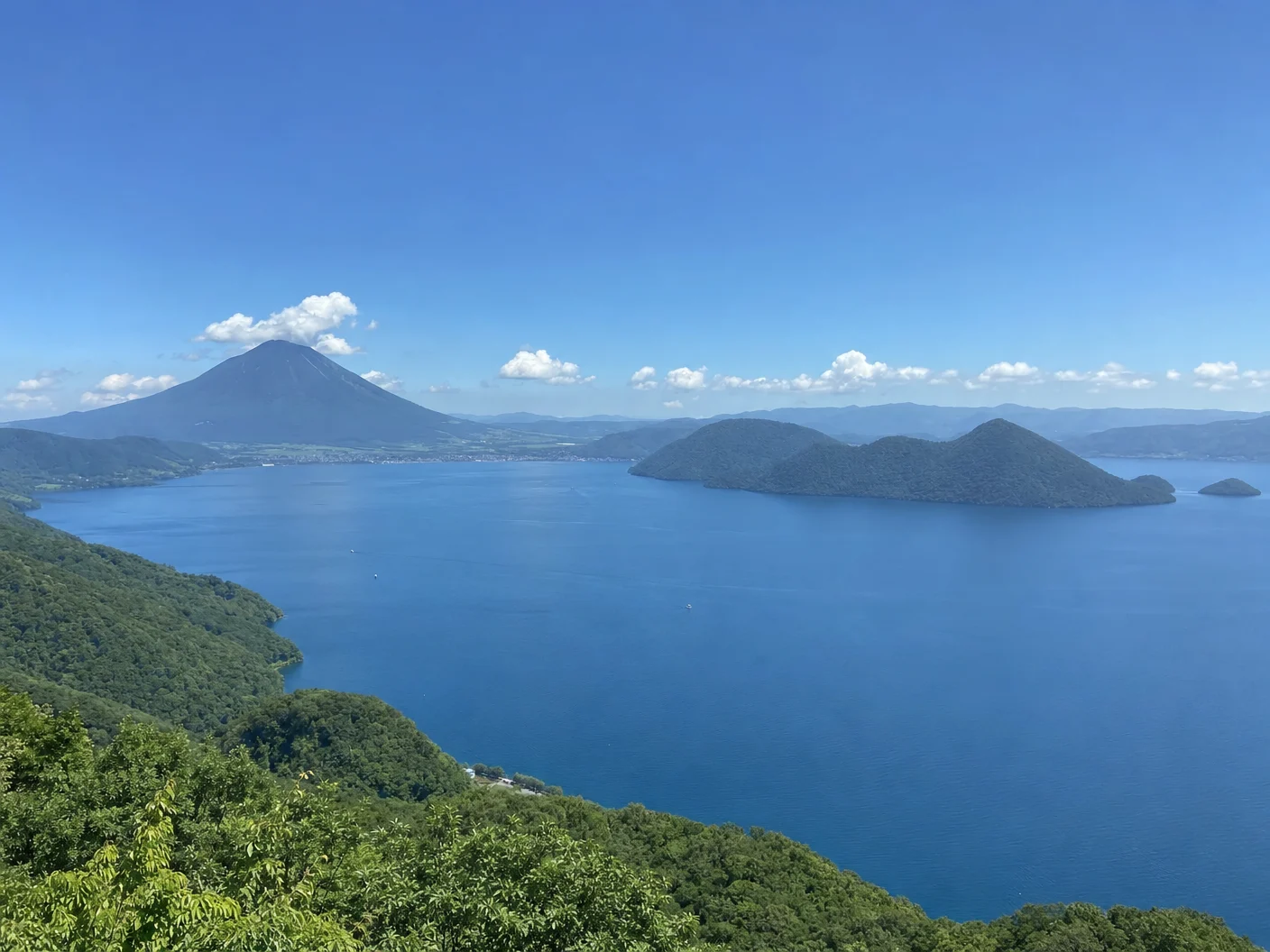
For Lake Toya, give the visit an anchor: a lakeside walk and lunch, or a confirmed activity that matters to you. Leave room for the outward and return journeys. If you add the Usuzan Ropeway, check the operator’s live status and seasonal schedule; do not make dinner depend on a service operating in poor conditions.
For Shiraoi, give the cultural visit time of its own. Read the official visitor information, check any programme you particularly want and allow time for the grounds and a meal. Do not describe an independent museum visit as a private guided cultural experience unless that service has actually been booked.
Whichever direction you choose, agree the finish time before setting off. When the day becomes tighter, remove the optional last stop. A missed hotel meal or a rushed return is a poor trade for an extra picture.
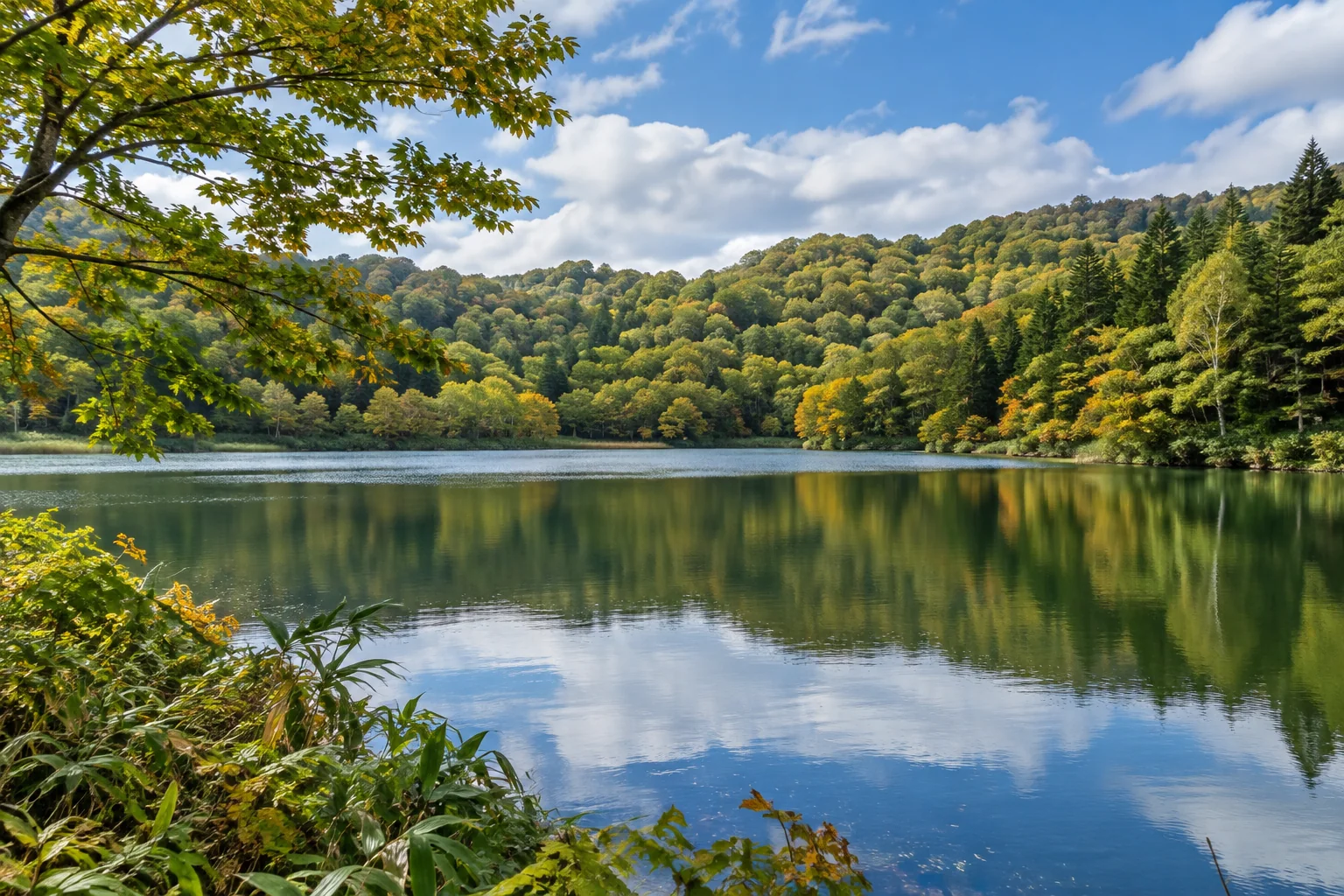
Compare accommodation on what your party will use, not just a picture of an outdoor bath. Confirm the room layout, beds or futons, stairs or lift access, meal times and the facilities included in the booking. Families should give the ages of children, not only the total headcount, because meals, bedding and bathing arrangements can depend on the actual booking.
If you need a private bath, ask whether it is in the room or a separately reserved facility, how it is booked and whether an additional charge applies. Tattoo policies, assisted bathing needs and other specific requirements belong in that conversation before payment. One property’s policy is not a rule for all of Noboribetsu.
For a two-night stay, ask whether you keep the same room and how daytime use works. Meal variety and a relaxed second evening may matter more than proximity to one viewpoint. Send dietary requests directly to the accommodation and obtain a clear answer; a driver cannot promise that a kitchen can meet an unconfirmed requirement.
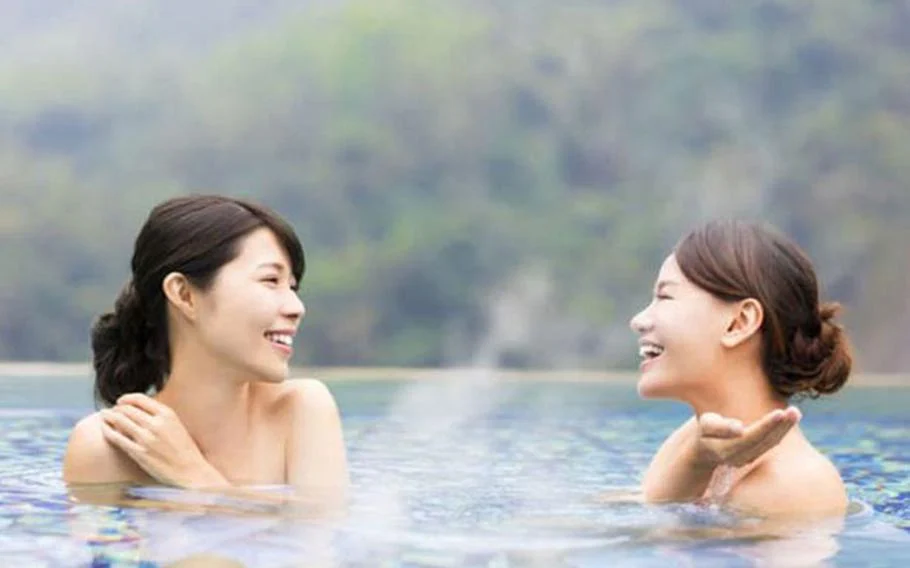
Work backwards from your actual flight, terminal and airline requirements. Include checkout, the full hotel-to-airport journey, any changes of transport, bags and a margin appropriate to conditions. A map’s driving estimate is not the complete departure plan. Confirm the pickup time with the transport provider rather than treating a sample itinerary as a guaranteed connection.
With an early flight, the sensible last night may be closer to the airport. With a later departure, a short local morning can be pleasant, but it should stay close to the agreed route. Adding Sapporo shopping, Otaru or several lake stops changes the nature of the journey and needs a fresh feasibility check.
Keep the booking reference and meeting information available without depending on a live data connection. Check out before the pickup, have bags counted and tell the accommodation about any delay. A calm departure is part of the quality of the stay, not time that was wasted because it contained no sightseeing.
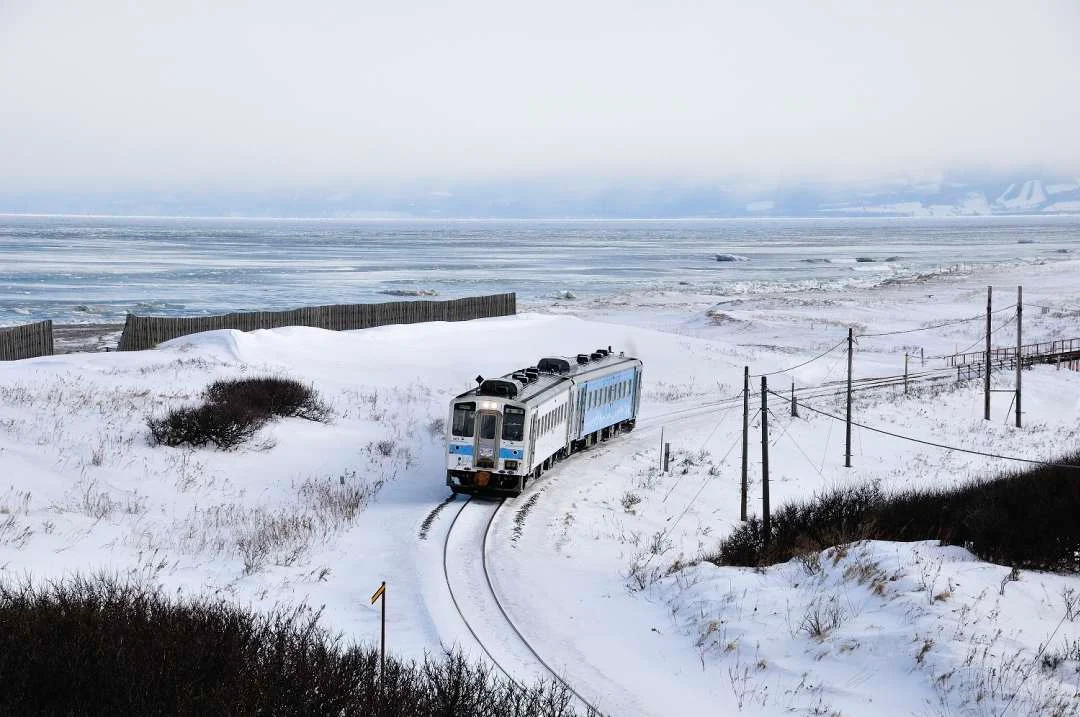
Separate the three possible services: arrival transfer, a middle-day sightseeing vehicle and the departure transfer. You may need all three, only the two transfers, or rail journeys with one private regional day. Ask for the arrangement that suits the route rather than assuming a vehicle must stay with you throughout the hotel visit.
For a private journey, the written quote should identify dates, pickup and finish addresses, vehicle, agreed stops, duration and inclusions. Ask how tolls, parking, additional hours, attraction tickets, meals and driver accommodation, if relevant, are handled. An onsen hotel booking and a sightseeing transport booking are separate commitments unless the written arrangement explicitly combines them.
Winter calls for shorter walks, warm breaks and a simpler regional excursion when conditions deteriorate. In other seasons, rain or low cloud can still change a viewpoint day. Keep the accommodation stay enjoyable on its own and treat the optional outing as something that can be reduced without breaking the whole holiday.
Three calendar days with two hotel nights can suit travellers who want a genuine onsen stay rather than a brief bath stop. Arrival and departure use part of that time. Keep the middle day local for rest, or arrange one regional excursion; you do not need a different attraction for every hour.
Yes, as a deliberately planned excursion with the outward and return transport confirmed. Choose a lake visit and, if conditions allow, one Usu-area activity. A point-to-point public transport search is not a complete return-day plan, especially when your hotel dinner has a fixed arrival time.
No. A rail arrival still needs the final journey to Noboribetsu Onsen and the particular hotel. Check the bus, taxi or accommodation transfer for your actual train and date. A hotel shuttle should be treated as available only when that hotel has confirmed your booking on it.
One night can work between two regions, with time for a bath, dinner and a local walk. Two nights are useful when rest is the main purpose or you want a regional outing without moving bags. Compare the usable hours, meal plans and room cost rather than the night count alone.
Do not assume that every path shown on a summer map will be usable. Check current notices, surface conditions and staff advice before walking. Keep a shorter local route available, and choose your hotel access around the actual walking needs of the group.
No. This itinerary concerns Noboribetsu Jigokudani, the volcanic landscape in Hokkaido. It does not include the snow monkey park in Nagano. Confirm the destination name and address when booking any transport or activity.
Our English-speaking planning team helps arrange the route. Drivers assist with everyday communication using conversational English and translation apps. A specialist guide, museum programme or in-depth cultural interpretation is a separate request that must be confirmed in advance.
Send your Japan-local dates, flights, full accommodation address, passengers and luggage, meal arrival deadlines, walking needs and your preferred middle-day option. Tell us if you want airport transfers only or a sightseeing vehicle as well. Availability and the complete price are confirmed in writing.
Reviewed 23 October 2026. This route, its overnight structure and the decision diagrams are HokkaidoMe editorial planning examples. Check the actual transport, accommodation and facility arrangements before booking.
Plan it with HokkaidoMe
Share your flight times, accommodation, group and bags, meal arrival requirements and preferred middle-day outing. We will help shape the transport around the stay.
We reply in English with availability and a personalised quote. A form enquiry does not create a confirmed reservation.