Hokkaido Summer Itinerary: 6 Days, Flowers & Five Nights
Six days for Sapporo and the flower country, with five nights clearly planned. Choose your summer window, give Furano and Biei a full day, and return towards the airport before departure.
HokkaidoMe planning team · Reviewed 17 November 2026
6 days / 5 nightsArrival and departure included
2 countryside nightsOne base around Furano
Flower reports firstSeasonal views vary
Start with your summer priority
A Hokkaido summer itinerary becomes easier when you choose one main reason for travelling. For lavender, plan a countryside stay around current flowering reports. For relaxed city walks and food, give Sapporo more time. For wide landscapes, choose a few places to explore properly instead of drawing a route across every region on the island.
Our six-day suggestion connects Sapporo with the Furano and Biei countryside. It includes arrival and departure, five hotel nights, and a return towards New Chitose Airport before the flight day. It is a planning outline you can adapt, rather than a fixed package with promised flowers or a minute-by-minute schedule.
Travel period
A useful focus
What to check
June
City parks, green hills and a quieter countryside plan
Which gardens are open and flowering; do not assume peak lavender.
July
A lavender-led Furano stay with selected Biei stops
Field-by-field bloom reports, accommodation and transport availability.
August
Mixed flower gardens, countryside and city time
Lavender harvest, actual temperatures, rain and holiday availability.
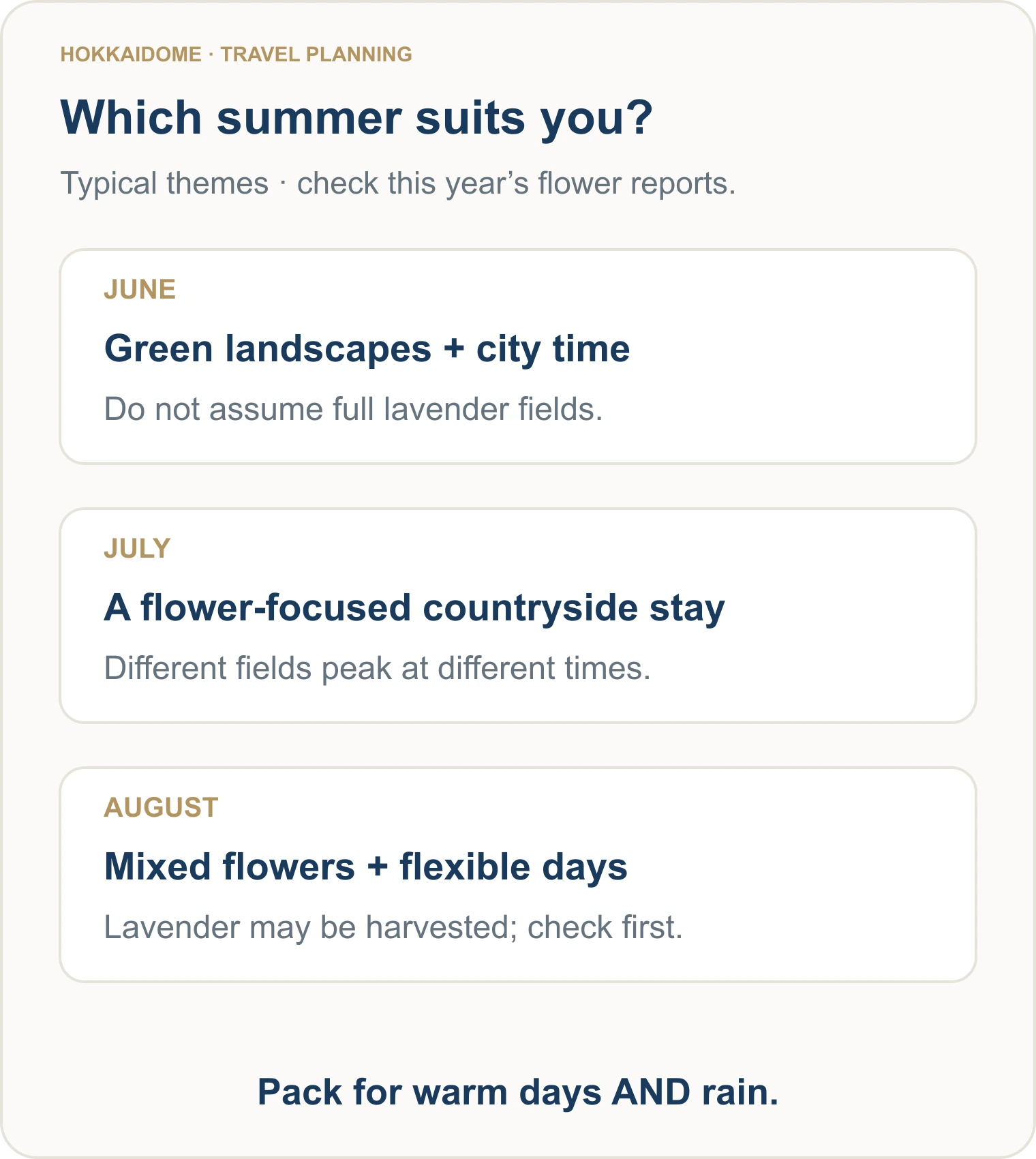
Original seasonal planning diagram. Typical themes are not a flowering forecast.
Farm Tomita lists July as the flowering period for its Irodori Field, with the best period usually in mid-to-late July. That describes one field, not a guarantee for all gardens or every year. Use the farm’s field guide and recent reports when choosing dates.
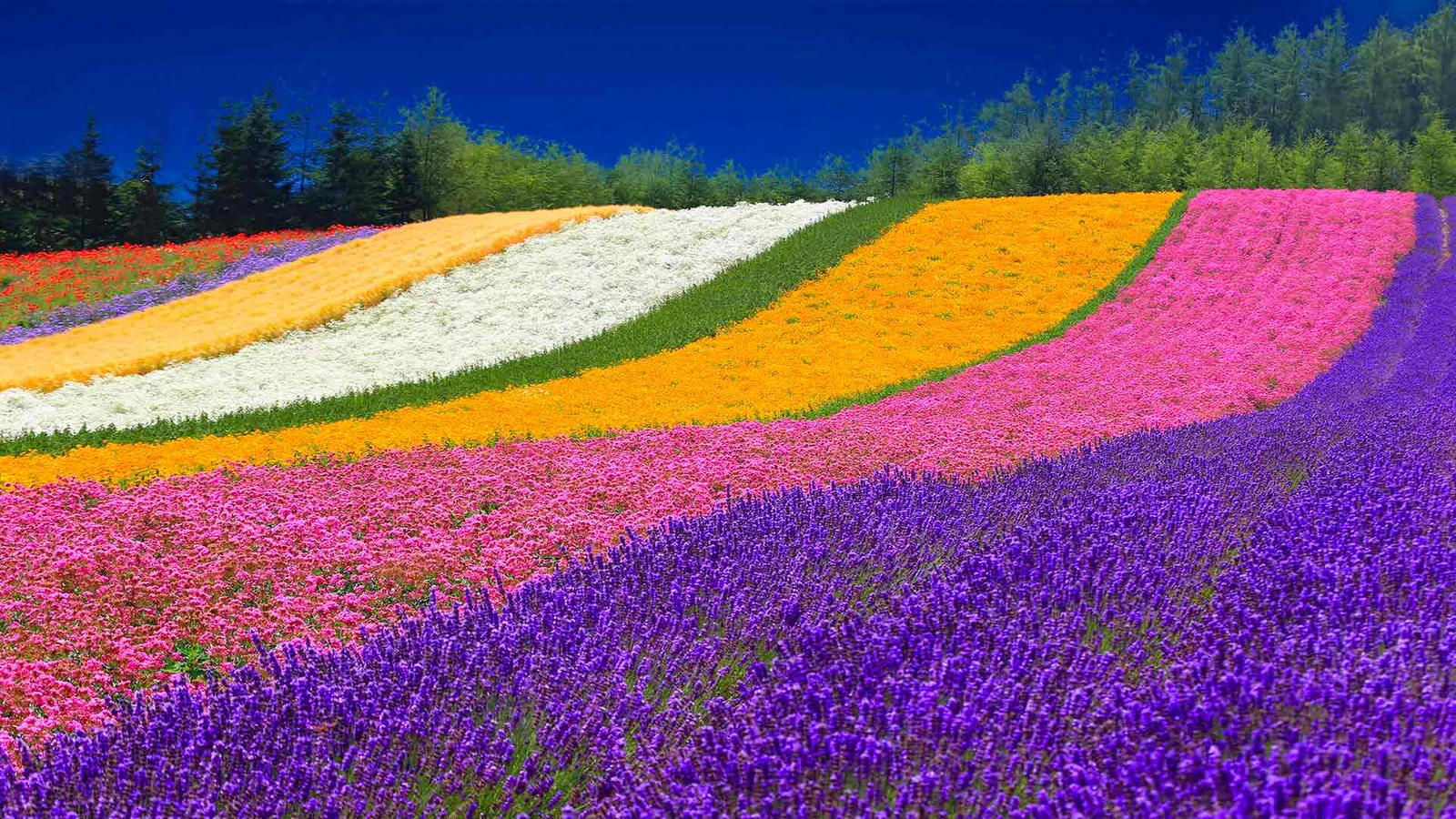
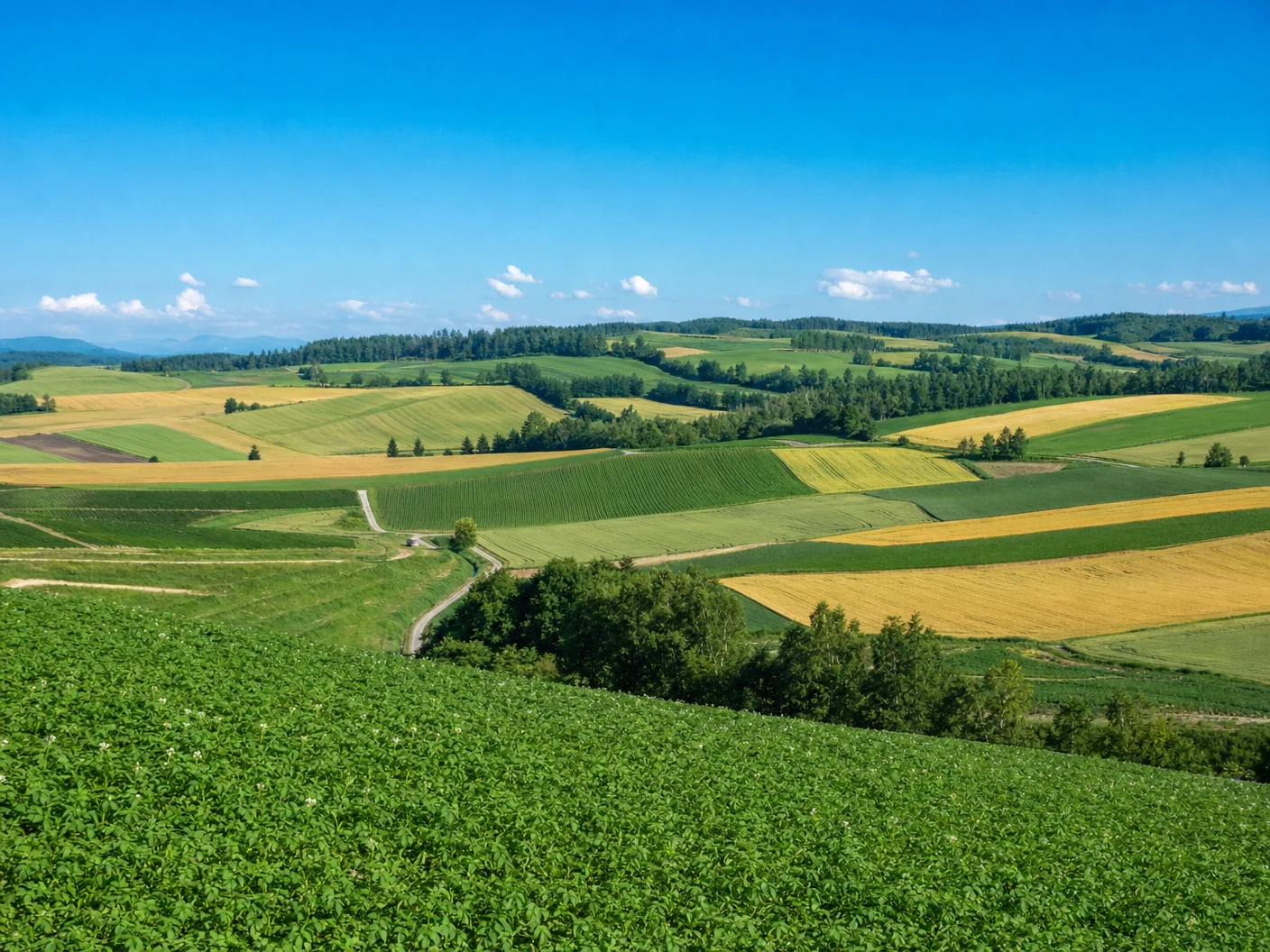
If a specific photograph is the reason for your journey, identify the field before booking. Lavender rows, rainbow-coloured flower beds and Biei’s agricultural hills are different views. Tell your planner which one matters most so the route gives it enough time.
June, July and August require different flower plans
The Farm Tomita field guide checked on 10 November 2026 gives Irodori Field an early-to-late July flowering window and a usual best-viewing period in mid-to-late July. That is the farm’s guidance for one named field, not a forecast for your next trip. Different lavender varieties, mixed-flower beds and agricultural hills create different pictures. Identify the field you want, then check current reports closer to travel.
In June, build around green landscapes, city interests and gardens whose actual displays are confirmed. In July, let the chosen lavender or mixed-flower farm anchor the local day. In August, be prepared to make mixed flowers, food and scenery the main theme if lavender has been cut. Avoid buying a non-flexible itinerary on the strength of an undated photograph.
Keep the desired photograph practical
A dawn or evening photograph can require a different pickup and meal plan, and an attraction may not permit access at that time. Check opening, permitted paths and the weather before treating a particular light as available. Respect working fields and private land even when the view is familiar from social media.
Six days, five nights and two main bases
Day
Main plan
Hotel night
1
New Chitose Airport → Sapporo; a gentle first evening
Sapporo · night 1
2
Sapporo, or replace with an Otaru day trip
Same hotel · night 2
3
Move to the Furano area; one nearby stop if practical
Furano area · night 3
4
One complete day for selected flower fields and Biei sights
Same countryside hotel · night 4
5
A local morning, then return towards the airport
Sapporo / airport area · night 5
6
Airport and departure
No overnight included
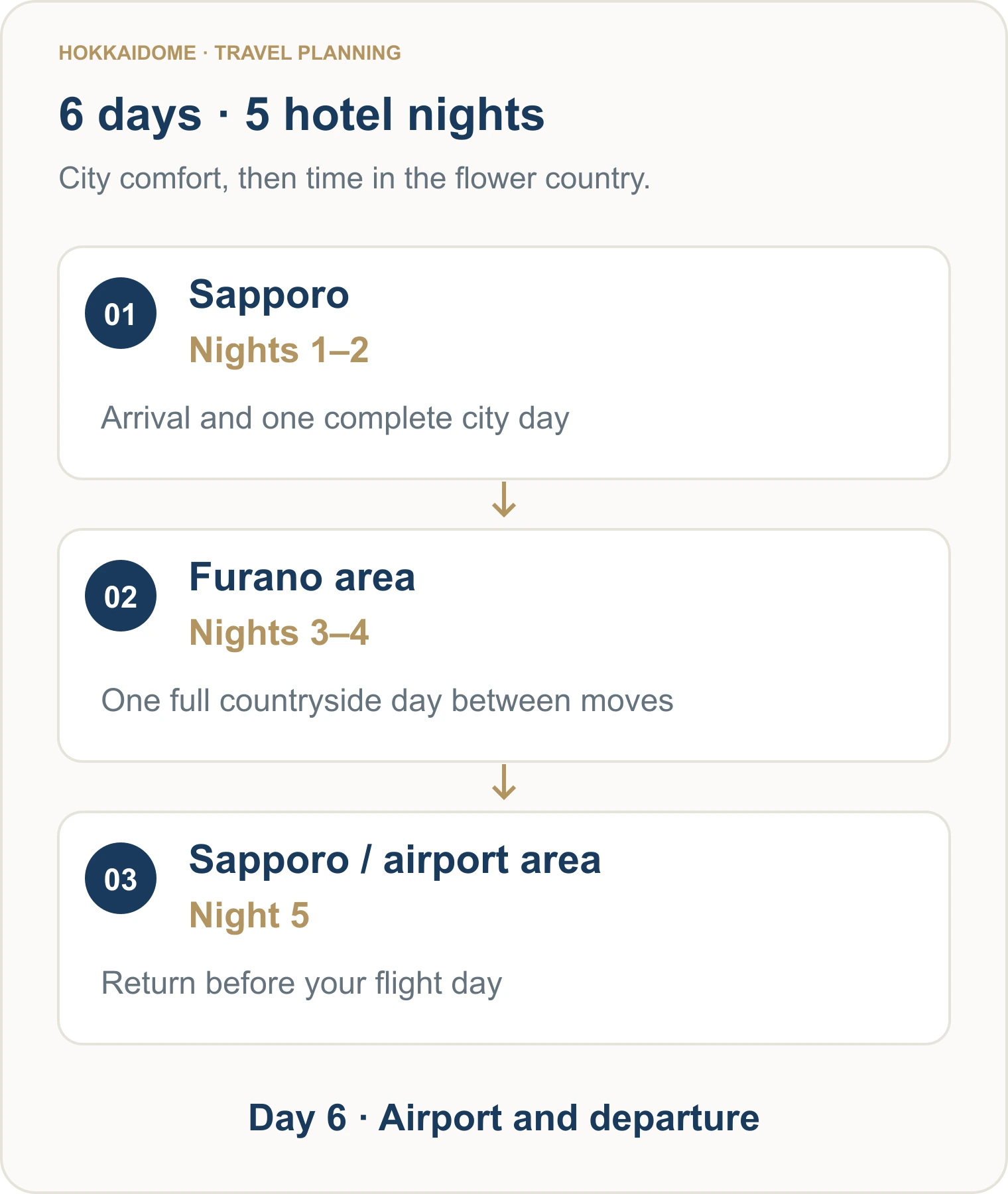
Original overnight diagram. Match your flights to the five-night structure before booking hotels.
Audit the five hotel nights before adding a region
This six-calendar-day plan contains exactly five nights: Sapporo on nights one and two, one Furano-area property on nights three and four, and Sapporo or suitable airport-area accommodation on night five. The benefit of the two countryside nights is a complete local day between them. Arrival and departure remain travel days; an early inbound flight or late outbound flight can create useful time, but it does not create another hotel night.
Write the actual property names and full addresses beside that ledger. Furano city, Nakafurano and a rural pension are not interchangeable pickup points. A quiet countryside stay can be attractive precisely because it is away from the station, but that changes dinner, baggage delivery, last-mile transport and late check-in. Confirm these before choosing a rail ticket or reserving a distant restaurant.
One base or two?
A single Sapporo hotel reduces packing and keeps city dinners simple, while each countryside day requires the approach and return. Two nights near the flower country exchange some convenience for local mornings and a less hurried main outing. Neither is automatically better: choose around the experience and rewrite the day-by-day transport at the same time.
Days 1–2: Sapporo first, with an Otaru option
Day 1 · Arrival is a travel day
Choose the airport connection after checking your flight, terminal, luggage and hotel entrance. JR airport services are a useful option for central Sapporo; a pre-arranged car can suit a group with children or bulky bags. The published train running time is not the same as landing-to-hotel time. Allow for arrival procedures, collecting bags, waiting and the final walk.
Keep the first evening near your accommodation. A meal and a short walk are enough after a long flight. A late arrival should change the sightseeing plan rather than push dinner and check-in into a tight timetable. See our New Chitose Airport to Sapporo transfer guide if you want a vehicle quote.
Day 2 · One city interest, then a flexible afternoon
Choose a morning around historic buildings, a park, a museum or food shopping. Leave the afternoon for a nearby second interest and a proper break. On a warm day, an indoor visit can make more sense than a long exposed walk. Use the Sapporo guide to select places rather than trying to finish every recommendation.
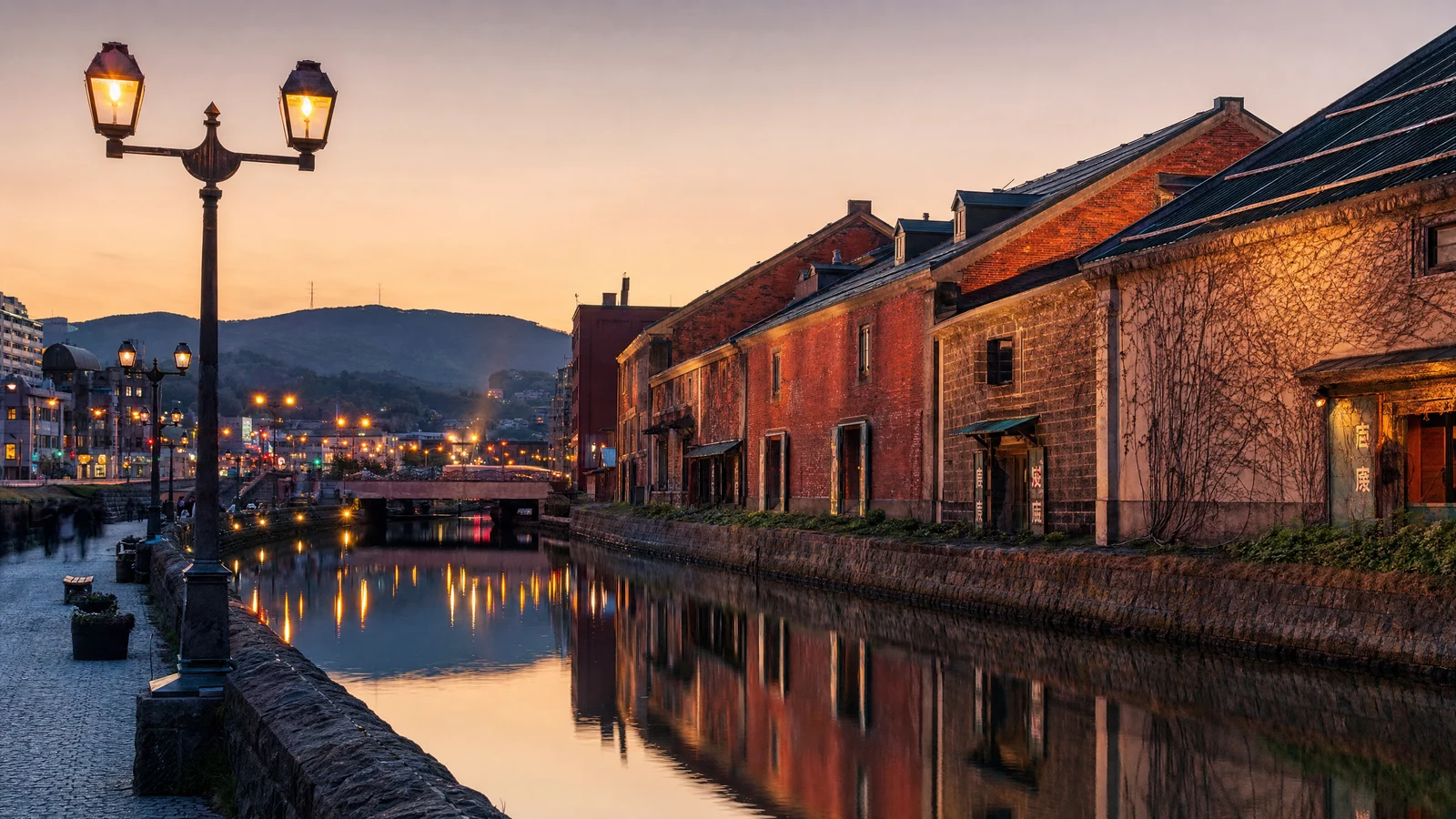
If Otaru is your priority, use this day for it instead. Decide your main interest before leaving: the canal and historic streets, glass and craft shops, or a slower food-focused visit. Check return transport and restaurant opening rather than building the day around an assumed late meal.
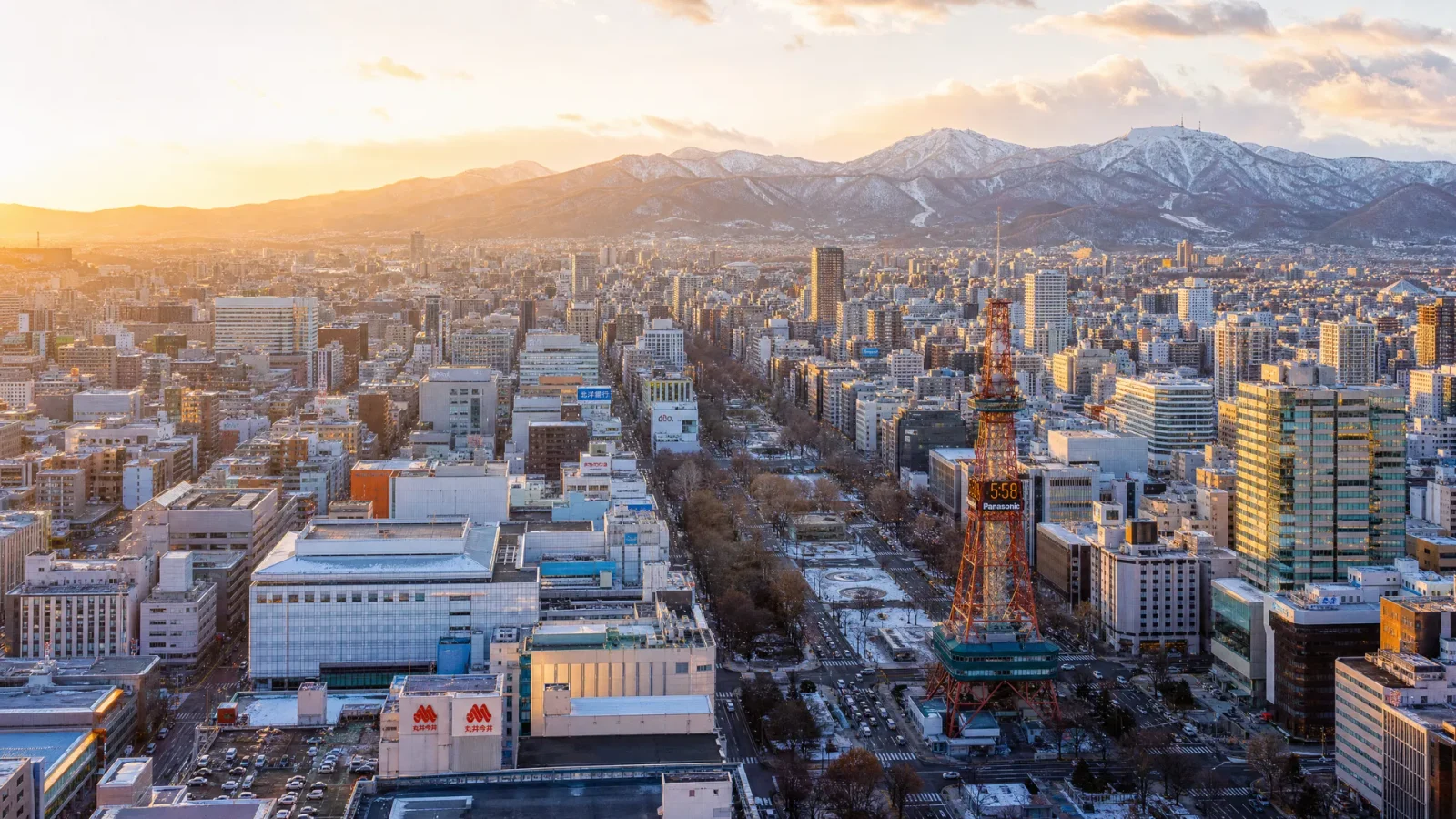
A Sapporo base gives the arrival day and city interests their own space.
Days 3–4: give the flower country a full day
Day 3 · Change hotels without filling every hour
Plan the hotel move first, including all suitcases and the countryside hotel’s meal arrangements. If transport and arrival time allow, add one flower farm or local visit near your route. Do not treat the drive from Sapporo as empty time that can also hold a full Biei sightseeing day.
Check where your accommodation actually is. A room in central Furano, Nakafurano or a rural pension creates a different evening plan. Ask about dinner, the latest check-in and the onward journey from the station. Two nights in one property avoid packing again after the main countryside day.
Day 4 · Choose a flower-led or a landscape-led route
For a flower-led day, give your preferred farm the longest visit and add one or two complementary stops. For a landscape-led day, build around the Biei hills and the Shirogane area, then add a garden only if it fits. Blue Pond and nearby Shirahige Falls can form one cluster, but the walking, parking and separate short journeys still need time.
Agree a lunch plan and make the last stop optional. A busy car park, a queue or rain should not turn the afternoon into a race. Travellers who enjoy photography may prefer fewer places with time to wait for light; families may value a shorter path, toilets and a sit-down meal more than another viewpoint.
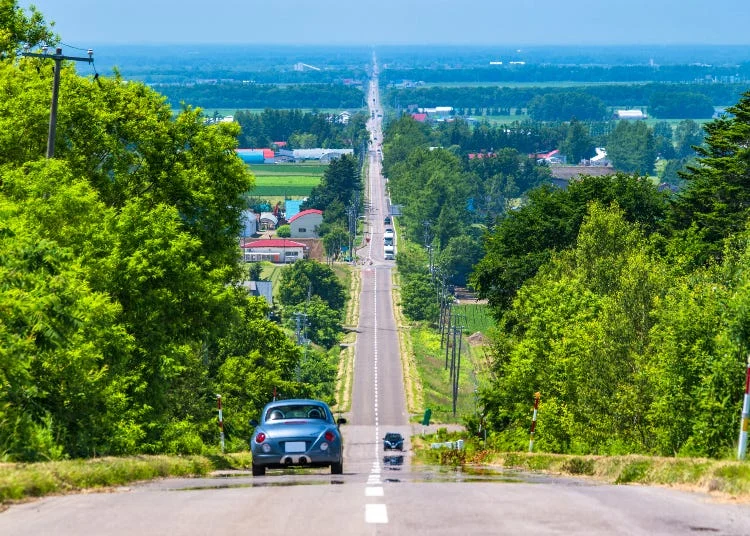
Countryside views are spread out. The road journey and comfort stops belong in the day’s plan.
The hills are working agricultural land. Stay on permitted paths, use designated parking and do not enter fields for a photograph. A famous roadside view is not automatically a suitable stopping place. Where access is restricted, choose another viewpoint rather than relying on an old social-media location.
Our Furano and Biei private day guide explains how to select stops. If Asahiyama Zoo is the main request, use a zoo-focused route and remove other visits; the zoo is not a quick extra between flower fields.
Choose one countryside cluster, then one companion stop
A flower-led outing can give the preferred farm a generous first visit and a meal nearby, followed by one suitable companion stop. A Biei landscape-led outing can group the Shirogane Blue Pond and waterfall area, with the separate journeys, parking and paths allowed for. Biei’s hill views form another spread-out landscape rather than a single walkable garden. Put the cluster that matters most first.
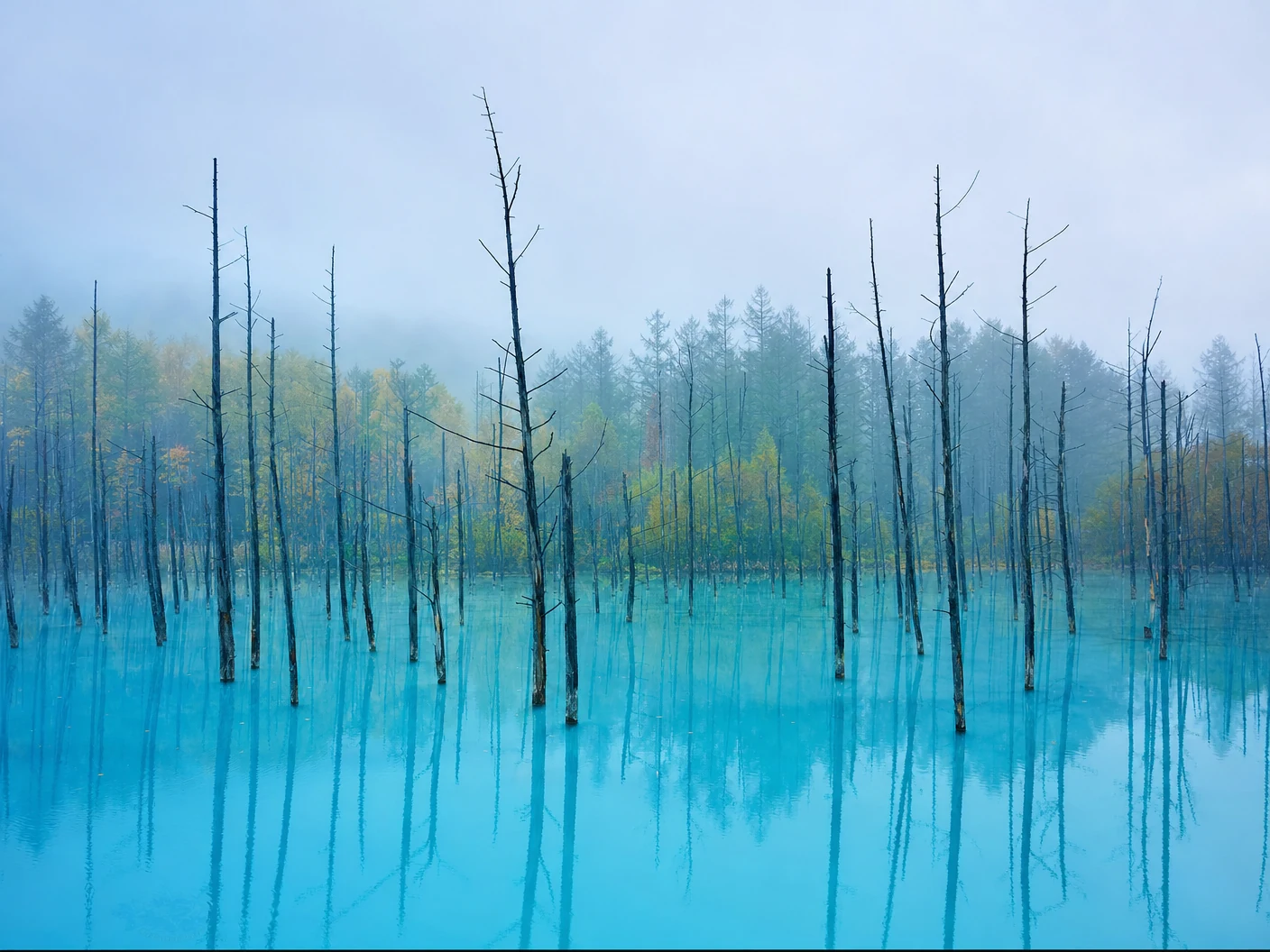
The Blue Pond is an outdoor site with changing water, weather and visibility. Its tourism association warns visitors to remain in designated areas and not enter the pond. A photograph does not guarantee the same colour or access conditions on your date. When rain or a queue shortens the visit, use the planned nearby break; do not chase another distant blue-water location just to recreate a photograph.
A zoo day is a different main day
Asahiyama Zoo is a substantial visit with its own approach, walking and operating calendar. If it is the family’s priority, remove part of the flower route and give it proper time. A place appearing on the same regional map does not make it a short stop between two gardens.
Make the full countryside day useful for the whole group
Before the day begins, agree the main attraction, lunch area, an indoor or sheltered pause and an optional final stop. Tell the planner whether the group values photography, gentle walking, a children’s activity or a long lunch most. These lead to different days even when both routes are called “Furano and Biei”. A longer list can reduce time at the very place you travelled to see.
Keep drinking water, sun protection and a light extra layer accessible rather than buried in suitcases. Choose toilet and meal stops before the group is tired. For a stroller or mobility aid, check actual surfaces, slopes and boarding needs with each attraction or operator. Do not equate a rural car pickup with a step-free garden visit.
When the weather changes
If conditions are safe but the day is wet, shorten the exposed walks and use a confirmed nearby indoor interest or meal. If an activity is cancelled or travel becomes unsuitable, follow the operator’s actual arrangements and agree a revised route. Do not promise a uniform bad-weather refund or that driving farther will find sunshine.
Days 5–6: finish near your departure
Day 5 · A nearby morning, then the return
Choose one final local stop, leave time to collect bags, and return to Sapporo or suitable airport-area accommodation. Pick the final hotel by the next day’s departure requirements. An early flight can make an airport-area night useful, but confirm the hotel’s actual shuttle or taxi arrangements before booking.
If you kept Sapporo as your only base, this is a useful place for an Otaru day trip instead of another long countryside outing. Changing the plan is fine; update the nights and transport at the same time so nothing depends on being in two places at once.
Day 6 · Let the flight set the schedule
Use your airline’s required arrival and check-in guidance, then work backwards through the door-to-terminal journey. Keep enough margin for the actual service and conditions. A final breakfast nearby is easier to manage than a distant attraction with a fixed entry time.
If you want a one-way sightseeing transfer on another day, send both hotel addresses and your required arrival time. We can assess which stop fits the journey. Suitcases and child seats reduce usable space, so list them before choosing the vehicle.
Otaru can replace the Sapporo sightseeing day; it does not need to be squeezed into the airport return.
Use day five to protect the departure, not to start another region
A final local morning can work if it leaves time for checkout, luggage collection, lunch and the complete return. Set the departure from the countryside first, then choose the morning stop. A checkout at one property and an activity at another address are real parts of the day; neither disappears because the map shows a simple line back to Sapporo.
Compare the final hotels by the flight on day six. Sapporo can provide a convenient last dinner and city transport. An airport-area property can reduce the following road or rail leg, but check its actual terminal access, shuttle reservation and first departure. A hotel described as “near the airport” is not automatically walkable to the terminal or served before your flight.
If you want a different airport
An Asahikawa departure can change the route substantially, but first confirm a suitable flight, luggage arrangements and any one-way transport cost. It is a replacement for the New Chitose-return ending. Update the hotel ledger and day-five transport rather than keeping both incompatible endings in one itinerary.
Summer weather, transport and booking choices
Sapporo’s official tourism guide describes summer as relatively cool compared with much of Japan. That does not mean it never becomes hot. Check the forecast for each destination, carry water and sun protection, and include rain protection and a light layer. Countryside mornings, coastal wind and a city afternoon can need different clothing.
Independent public transport is possible with a selective route. Check seasonal train operation, the onward bus stop and the return journey. A sightseeing bus starting in Biei still requires you to reach Biei on time. The local tourism association’s access information is a useful starting point; a previous year’s timetable is not a current reservation.
Choice
When it fits
Confirm before paying
Rail and local buses
A lighter itinerary with time to match connections
Actual dates, walking distances, last return and luggage arrangements.
Scheduled sightseeing tour
A set programme and per-person booking
Pickup point, inclusions, time at each stop and cancellation terms.
Private car and driver
Hotel pickup, family pacing or a hotel change
Vehicle layout, total hours, luggage, child seats and written inclusions.
For a private journey, our English-speaking team helps plan the route. Drivers assist with conversational English and translation apps; specialist guiding is a separate request. You book accommodation yourself unless another arrangement is explicitly confirmed. Ask for a quote for the particular day you need rather than assuming a car must be reserved for the entire holiday.
Use the Hokkaido travel-cost worksheet to separate room, person and vehicle expenses. Popular flower periods can limit accommodation and vehicle choices. Check availability before making non-flexible bookings, and keep a mixed-weather alternative for the countryside day.
Without a car: resolve the last local connection first
There are rail-based routes through the region, but reaching a station is only one leg. Write the chain as hotel → station → train and any transfer → local bus or booked pickup → attraction → the final return service. Check it in both directions for the actual date. Seasonal tourist trains and buses need a published operating calendar; the presence of a previous summer’s service does not prove that it runs during your visit. The Furano–Biei Norokko service ended in 2026. JR Hokkaido’s 28 October 2026 plan schedules the new Aoi Hoshi service from 1 July 2027. Check its dated operating plan rather than reusing an old Norokko itinerary.
JR’s regular-ticket table checked on 10 November 2026 lists Sapporo–Asahikawa at JPY5,440 and Asahikawa–Biei local train at JPY680 per adult one way. It also lists the summer-only Furano Lavender Express route at JPY5,440 between Sapporo and Furano. The listed route and fare do not establish its operating day, a convenient connection or the rural transfer. Reserve the required seats and book local transport separately where necessary.
Compare a pass with the actual rides
A pass can cover eligible rail journeys while leaving a countryside bus, garden transport or hotel pickup to pay separately. Compare dated individual tickets with the pass that you are eligible to buy. A hired car for the local day and rail for the longer city leg can be worth assessing; there is no need to assume one travel mode must serve every day. At Shikisai-no-oka, the similarly named Shikisai Norokko is a tractor bus within the garden, separate from JR’s former train. This on-site ride does not replace the journey from the railway station. Check the garden’s current operating season and separate ride charges before planning it. For travellers who qualify, compare the starting date as carefully as the price. A four-consecutive-day pass started on day one expires before this plan’s day-five return from the countryside. Mark the day-three outward journey, any local trains on day four and the return on day five, then check JR Hokkaido’s pass conditions, coverage map and seat reservations. A six-day holiday does not automatically require six days of pass use.
Build a budget in people, rooms and vehicle days
Count five room nights, the correct number of passengers for rail or tour tickets, and only the vehicle days you intend to use. Add countryside station transfers, storage, admissions, meals and optional activities as their own lines. A per-person excursion price and a whole-vehicle quote cannot be compared until the same route, duration and inclusions have been aligned.
For a private quote, provide every hotel address, all suitcases and child seats, the sightseeing priorities and any meal or admission already booked. Keep the written JPY total and its inclusions as the decision point. A booking enquiry is not a confirmed vehicle; check the stated booking stages and current Terms before making linked non-flexible arrangements.
Leave space for the experience
Allow a proper meal and enough time at the chosen garden rather than treating every spare hour as another admission. If the available budget or holiday length becomes smaller, choose one base and fewer transfers. The useful six-day plan is one you can actually enjoy, not a longer circuit compressed into the same five nights.
Hokkaido summer itinerary questions
What is the best month for a Hokkaido summer itinerary?
Choose the month around your main interest. July is the usual planning window for a lavender-focused Furano stay, with different fields and varieties peaking at different times. June suits green landscapes and city days; August can suit other flowers and countryside travel, but lavender may already be harvested. Check current reports rather than choosing from a photograph alone.
How many days do I need in Hokkaido in summer?
Six calendar days with five hotel nights work for this central route: two nights in Sapporo, two in the Furano area, and one back in Sapporo or near the airport. Flight times affect the sightseeing available. For Hakodate, eastern Hokkaido or an island trip as well, add nights or replace a region.
Can I visit the flower fields without driving?
Yes, with a smaller route and confirmed connections. Compare seasonal rail plus local buses, scheduled sightseeing tours and a pre-arranged private car. Check the actual operating date, the stop closest to your chosen attraction and the return journey. Reaching Furano or Biei Station does not complete the trip to a rural garden.
Is Hokkaido cool throughout summer?
It can be cooler than much of Japan, but warm or hot days, rain and humid spells are possible. Pack for the forecast at your actual destinations, with sun protection, water, a light extra layer and rain protection. A highland morning and an urban afternoon can feel very different.
Can I see lavender in August?
Do not book an August journey on the assumption of full outdoor lavender fields. Flowering and harvesting vary by variety, field and year. Ask the farm for current conditions and choose a mixed-flower or landscape route if lavender has finished.
Should I stay in Sapporo or Furano?
Use Sapporo for city interests and convenient regional transport. Two consecutive countryside nights make a flower-focused visit less rushed. If you prefer one hotel throughout, keep Sapporo as your base and book a selective full-day Furano and Biei outing instead of copying every stop from this six-day plan.
Can Otaru fit into this six-day plan?
Yes, as a replacement for the full Sapporo day if it matters more to you. Keep the two countryside nights and the pre-flight return night intact. Adding Otaru on top of an already full city day usually creates a rushed visit.
What should I send for a private summer trip quote?
Send dates, flight times, hotel addresses, passengers, child-seat requests, all luggage and your top two or three interests. Tell us whether you want a day trip or hotel-to-hotel travel. HokkaidoMe confirms availability, the vehicle layout, charter hours, inclusions and a written quote before booking.
Check these before choosing your dates
Reviewed 17 November 2026. This is an original planning suggestion, not a bloom forecast or a booked package. Confirm current opening, transport and weather information before travelling.
Share your dates, flights, hotel addresses, passengers and luggage. Tell us which flowers or landscapes matter most and whether you need a day trip or a hotel-to-hotel journey.
We reply in English with availability and a personalised quote. A form enquiry does not create a confirmed reservation.
Fields marked * are required. Please use your local travel dates in Japan.