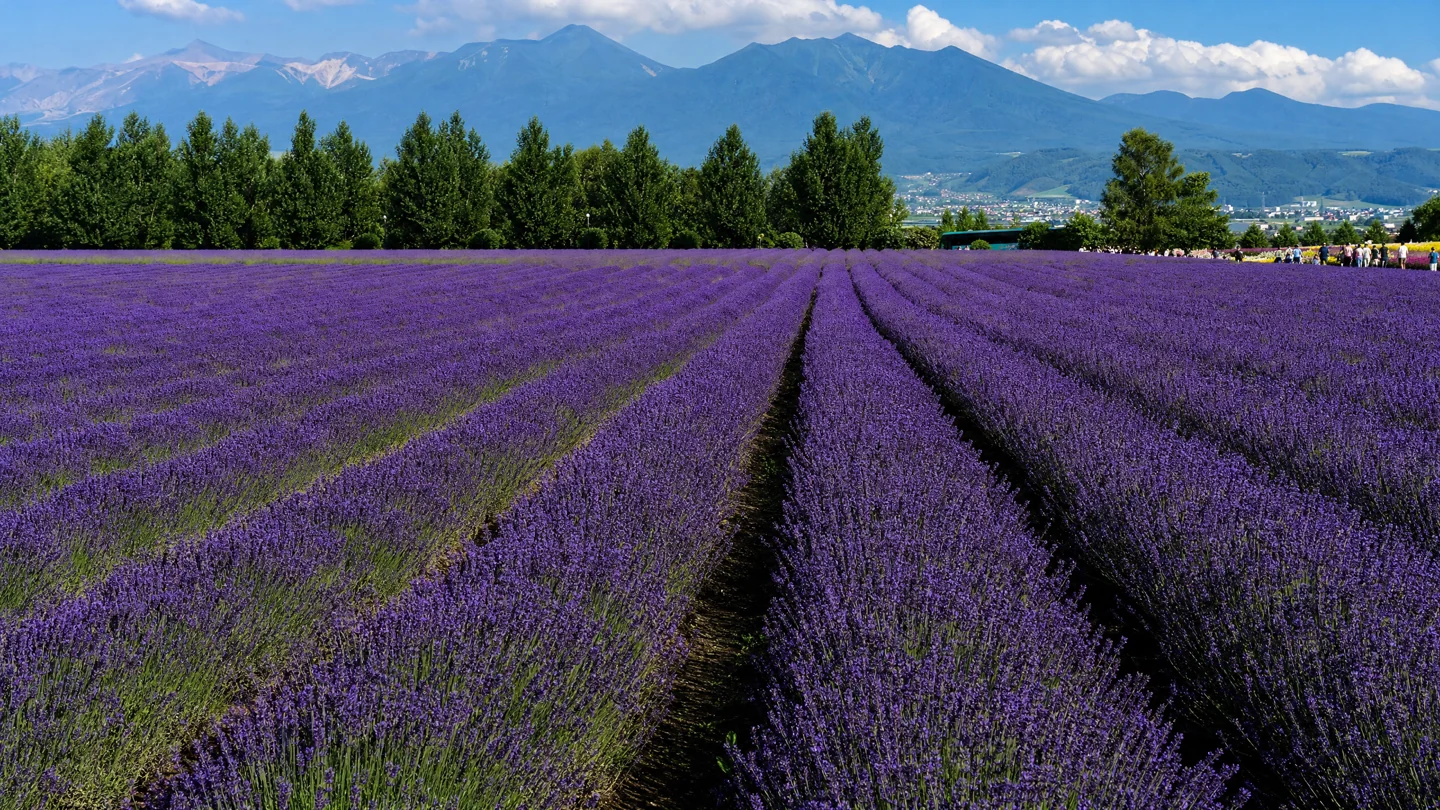
Furano Biei Tour: Flower Fields, Blue Pond & a Realistic Day Plan
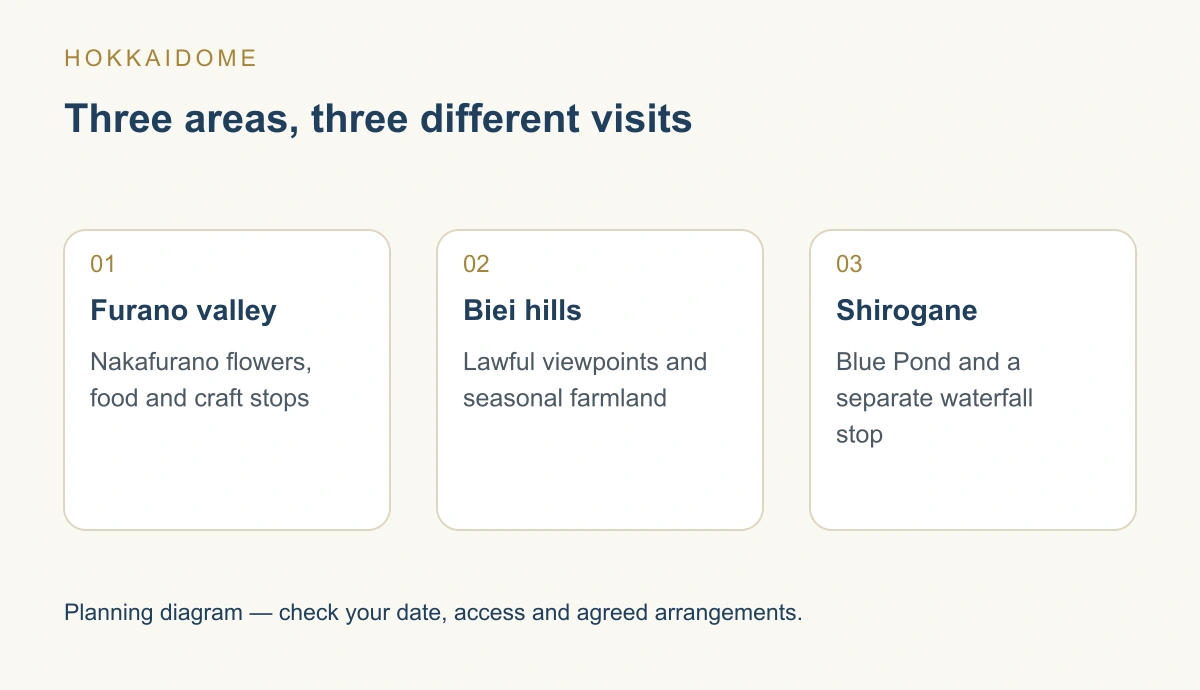
A Furano Biei tour is a journey through several different parts of central Hokkaido: lavender around Nakafurano, colourful gardens and agricultural hills around Biei, and the Blue Pond and waterfall towards Shirogane. The important decision is not how many names to put on the route. It is which landscape you want to spend time in, where you are starting, and how much driving your group will enjoy.
Furano and Biei are a region, not one walkable attraction
Nakafurano and Furano: flowers, food and a valley stay
Farm Tomita is in Nakafurano, rather than beside Furano Station. The wider valley also has other flower farms, food stops, the cheese factory and the forest craft shops of Ningle Terrace. Those places serve different interests and are not all within a short walk of each other. A flower-focused family may enjoy one unhurried garden and lunch much more than a succession of ten-minute photographs.
Choose your overnight address carefully too. A hotel in Furano town, a property near the ski area and accommodation in Nakafurano can mean different pickup routes. Send the full name and address rather than only “Furano hotel.” If you are continuing south afterwards, ending a sightseeing day in Furano can avoid driving back north just to collect bags.
Biei's hills: viewpoints and working farmland
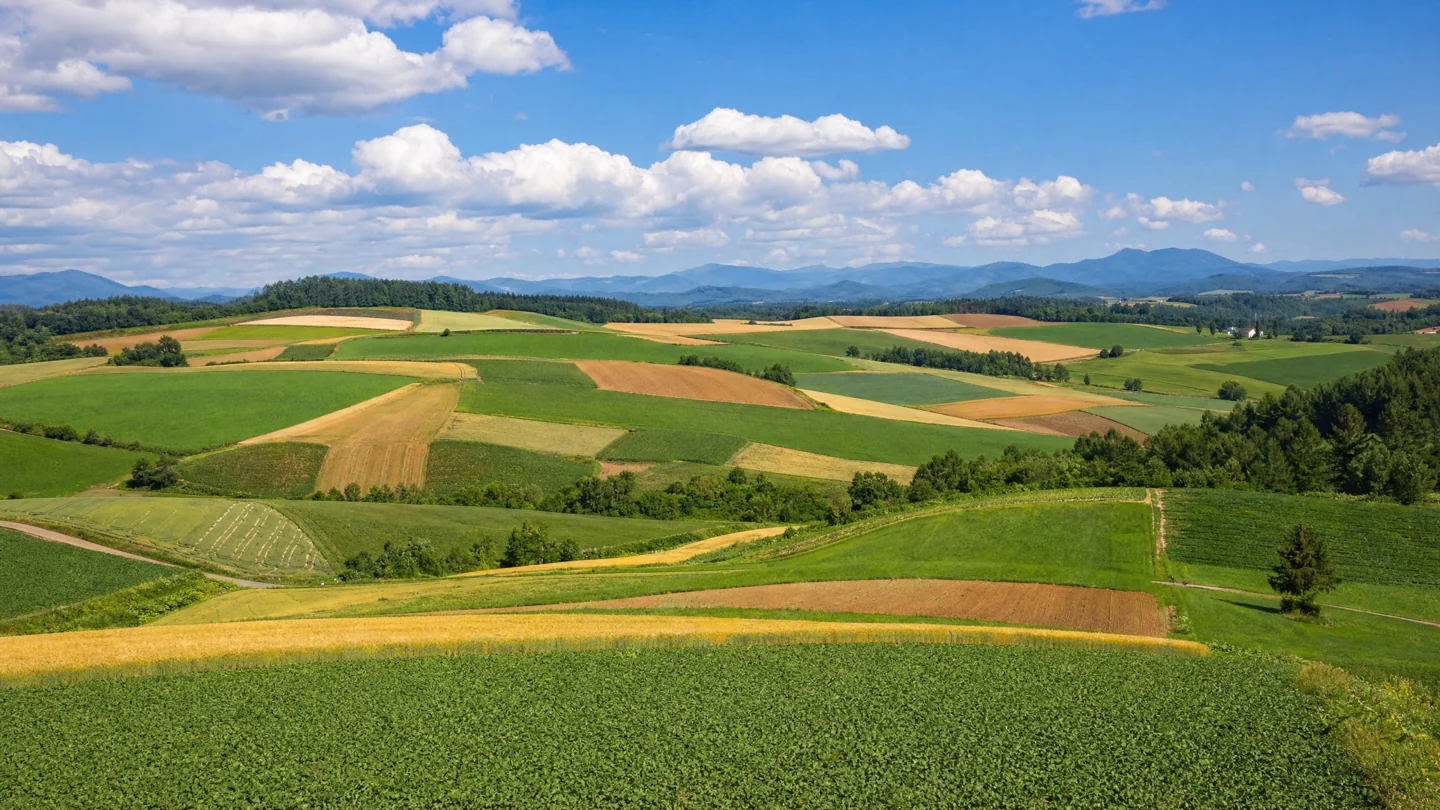
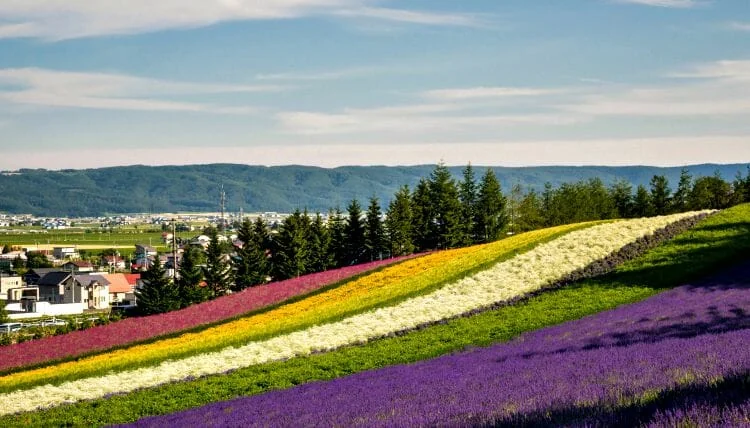
The patchwork effect comes from fields with different crops and stages of cultivation. It changes with planting, harvest, weather and snow. The countryside is not a public flower garden. Enjoy it from lawful roads, designated viewpoints and visitor areas, without entering fields, stopping in traffic or following an old map onto an agricultural track.
A countryside drive can include a short viewpoint stop, but promising every famous tree is a poor way to plan the day. Parking, local restrictions and the light may make a different legal viewpoint the better choice. Tell us whether you want broad landscapes, close-up flowers or time to set up a camera; those are different requests.
Shirogane: Blue Pond and Shirahige Falls
The Blue Pond and Shirahige Falls belong to the same general sightseeing area, but need a separate transfer between their visitor points. Include the walk from the car park, time along the pond path and another stop at the waterfall viewpoint. They should not be treated as two instant photographs on the way to somewhere else.
This area also offers an overnight alternative at Shirogane Onsen. Staying locally can make an evening visit or an earlier start easier, although hotel reservations, meals and bathing access are separate arrangements. A room booking does not establish an included charter or admission.
When to take a Furano Biei tour: lavender, other flowers or snow?
July is the main planning window when lavender is the reason for the journey. Even then, different fields and cultivars peak at different times. Farm Tomita lists early to mid-July as the best period for its Sakiwai Field, with a broader flowering window. That is a field-specific guide, not a guarantee that every farm will look the same on your chosen day.
| Travel period | Build the day around | Check before committing |
|---|---|---|
| Late spring and June | Fresh countryside, available flower gardens, pond and waterfall | Actual flower reports and seasonal transport; do not assume peak lavender |
| July | A longer lavender visit with one Biei cluster | Bloom and harvest reports, queues, accommodation and lunch availability |
| August to early autumn | Mixed flowers, hill scenery and local produce | Which gardens still have colour; a July lavender photograph is not an August promise |
| Late autumn and early winter | Shorter daylight visits, warm stops and any confirmed illumination | Closed attractions, first snow, slippery paths and evening return arrangements |
| Snow season | Snow landscapes, fewer stops and a date-specific winter activity | Snow cover, operator opening, visibility and additional road time |
Shikisai-no-Oka has a seasonal flower landscape and a separate winter activity offer. The existence of a winter menu does not mean snow activities are operating on every November date. Likewise, a greenhouse visit is a different experience from walking through outdoor lavender. Check recent operator announcements and choose the day for what is actually available.
What if the flowers are not at their peak?
Keep the purpose of the trip clear. If you mainly want lavender and your dates are flexible, use current bloom information to choose the period. If your flights are fixed, a combination of countryside, the pond, a food stop or a museum may be more rewarding than searching for an identical purple hillside. There is no sensible guarantee of colour or sunshine, and an alternative should fit the same geographical area.
Private car, sightseeing bus, train or self-drive?
There is more than one good way to explore. Compare the whole journey: reaching the meeting point, local connections, the last service back, luggage, how much walking you want and whether the visit is a day trip or part of a hotel change. A cheap intercity ticket alone does not solve transport between scattered rural attractions.
| Option | Works particularly well when | Main trade-off |
|---|---|---|
| Shared sightseeing bus | You are happy with the named meeting point, fixed stops and group timetable | Visit lengths, meals and luggage rules depend on that product; a language guide may or may not be included |
| JR and local buses | You enjoy rail travel and can plan a selective route around current connections | Seasonal trains and sightseeing buses run on specific dates; the rural last mile still matters |
| Self-drive | A confident driver wants flexibility and can manage the conditions | Navigation, legal parking, winter driving and a long return remain your responsibility |
| Private charter | Your group values a named hotel pickup, individual pace or carrying bags between hotels | A vehicle is generally a bigger commitment for a solo visitor; time, route and load must be agreed |
Do not use a summer train itinerary as a year-round timetable
JR Hokkaido publishes date-specific Furano and Biei examples. Its 2026 summer model route has specified operation days and reserved-seat conditions. That information does not establish a November service or the following year's dates. Check each connection for the actual Japan-local travel date and allow time to reach the next platform or bus meeting point.
Public transport can be an enjoyable choice for a smaller stop list. It becomes less straightforward when you expect lavender, several countryside viewpoints, the pond, a particular restaurant and a late craft-village visit in one return day. Verify the last rural bus as carefully as the morning train; a taxi waiting at a rural attraction should not be assumed.
A driver and a specialist guide are different arrangements
HokkaidoMe's planning team communicates in English. Drivers help with practical communication using conversational English and translation apps. Continuous commentary, guided walks inside attractions, specialist photography instruction and a licensed language guide are not automatically included. Tell us before the quotation if any of those are essential.
A realistic Furano and Biei day trip from Sapporo
Think of a Sapporo return as a day with substantial driving at both ends, rather than ten hours available inside the sightseeing area. Around two and a half to three hours each way is a useful broad planning allowance for some routes in ordinary conditions; the exact hotel, first stop, weather and traffic can change it considerably. Summer car-park queues and winter roads need their own margin.
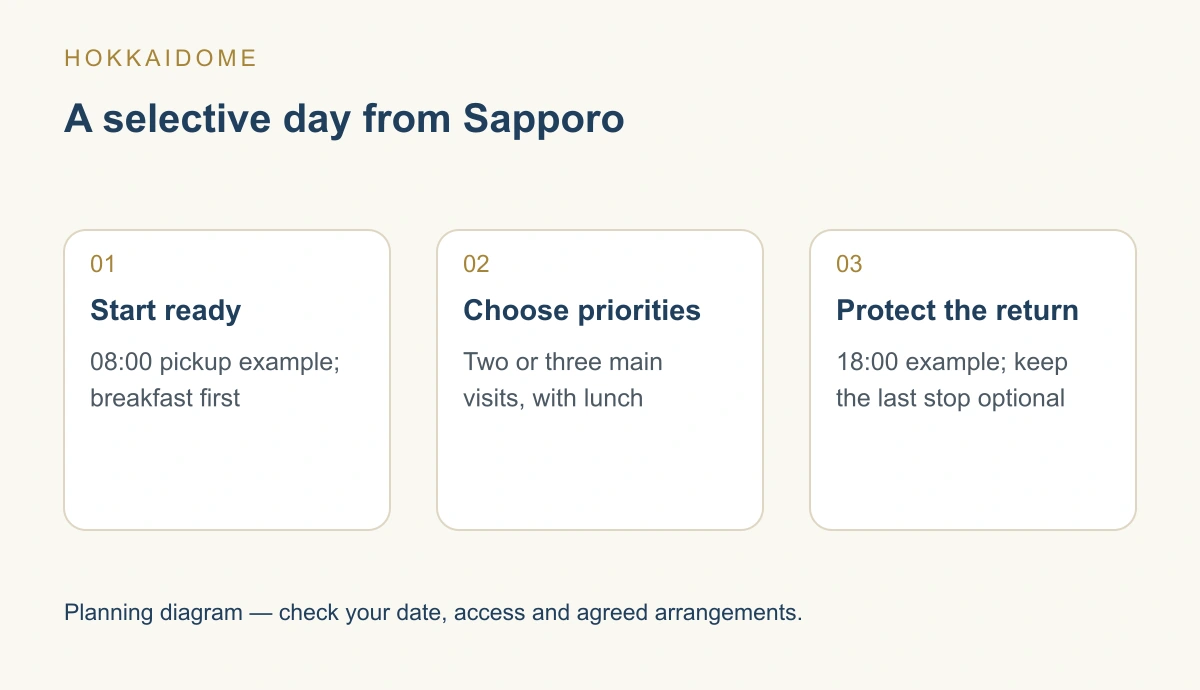
The following outline illustrates how to choose priorities for an agreed day of up to ten hours. It is not a booking timetable or a promise of every stop. At quotation, we review the actual date, route and walking pace. If you leave later, one attraction should usually come off the list rather than shifting the same crowded plan into the evening.
| Part of the day | A flower-first choice | A pond-first choice |
|---|---|---|
| 08:00 pickup example | Leave the named Sapporo hotel after breakfast, with all travellers ready and a comfort break allowed | |
| Late morning | Give the main flower farm time for walking and photographs | Blue Pond paths, followed by a separate short transfer to Shirahige Falls |
| Lunch | A practical meal near the route; a famous restaurant with a long queue changes the stop list | |
| Early afternoon | Choose the pond area or a Biei garden, according to available time | Choose one flower garden or a countryside viewpoint |
| Return drive | Protect the agreed return window, commonly around 18:00 for this example; the final optional stop is the first to be dropped | |
Choose the order for the date, not for a universal “secret route”
An early visit to a popular farm may help on one day, while a different first stop is sensible from Asahikawa or a local hotel. No route is guaranteed to avoid congestion. Mountain-side alternatives can add distance or be affected by weather and seasonal closures; agricultural tracks are not shortcuts for visitors.
Use a simple priority order: one essential stop, a second important cluster and one optional visit. When a queue, a child's rest or poor visibility changes the day, that order lets the driver and your group make a useful decision. It is much better than arguing over a final distant tree while the return deadline approaches.
What should come out of an overloaded plan?
Start by separating large time commitments. Asahiyama Zoo deserves its own visit and cannot be added casually to an already full lavender-and-pond day. A cheese-making experience, a restaurant reservation, a long photo session and Ningle Terrace after dark also use meaningful time. Choose one of those as a replacement, or spread the journey over two days.
How much time should you allow at a stop?
Use the following as flexible planning allowances, not official visit durations. A group that walks slowly, waits for photographs or browses shops can take longer. Count the whole visit, including getting out, finding the path, using toilets and returning to the agreed meeting place.
| Visit | A starting allowance to discuss | Reasons to extend or shorten it |
|---|---|---|
| Main flower farm | About 60–90 minutes | How many fields you walk through, shopping, snacks, heat and crowds |
| Blue Pond | About 45–60 minutes including the approach and return | Parking, crowded or slippery paths, photography and walking pace |
| Shirahige Falls viewpoint | About 20–30 minutes after reaching the visitor area | The safe approach, weather and another vehicle meeting arrangement |
| A designated countryside viewpoint | About 15–30 minutes where stopping is permitted | The light, parking and whether you want a brief view or a photo session |
| Lunch | About 45–60 minutes before any queue or detour | Restaurant service, reservations, dietary requirements and children |
These allowances explain why a list can fail even when its driving legs look possible. Two long garden visits, lunch and the pond cluster can use most of the local portion of a Sapporo return day before countryside transfers and queues are added. If flowers are the priority, protect that time first. If the pond matters most, remove the second garden rather than rushing everyone through both.
Which Furano and Biei stops deserve your time?
Farm Tomita and Lavender East: two different stops
Choose this stop when lavender and flower photography are central to the trip. Instead of arriving, buying a snack and leaving, allow time to see the fields that are actually blooming and walk at your own pace. The landscape, paths and busy periods affect how far each traveller will want to go. Lavender East is a separate production field in Kamifurano, about 4 km east of Farm Tomita; it is not another entrance to the same garden. Name the site you want when planning a pickup or comparing photographs. Visiting both needs another transfer and time on the ground, rather than two names for one stop.
Consider practical needs before the car arrives: hats and water in summer, a light layer for a cool or wet day, and a meeting point everyone understands. A visitor who wants to browse shops or try local sweets needs more time than someone making one short viewpoint stop. Separate those expectations when travelling with several generations. Lavender East's published 2026 season was 20 June–20 July and has finished. Farm Tomita's year-round opening does not mean Lavender East is open all year, nor that outdoor lavender is flowering in winter. For a future summer, recheck that year's operating dates and current field reports before choosing one or both sites.
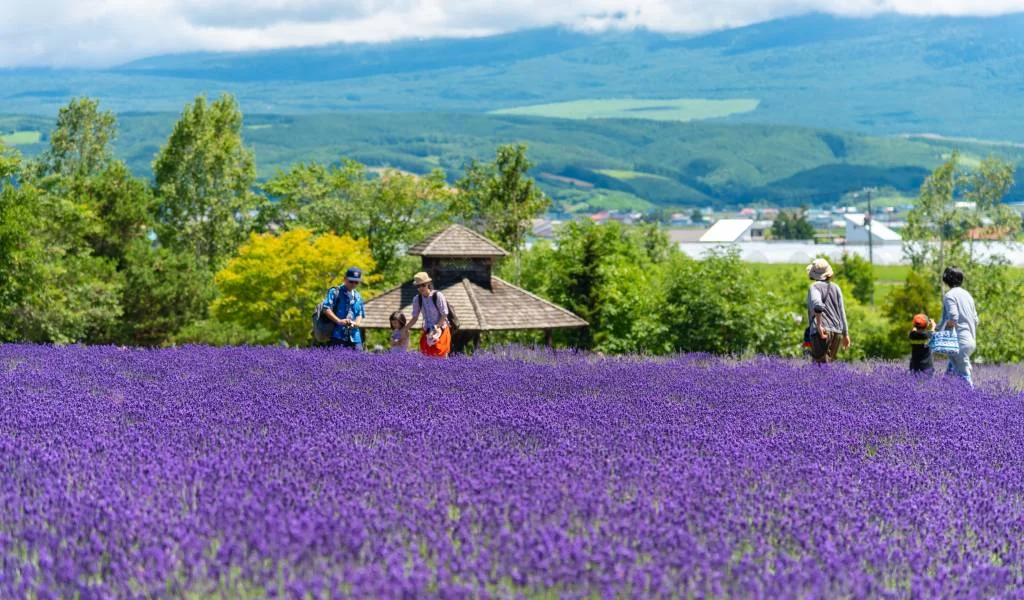
Shikisai-no-Oka: a different flower-garden experience
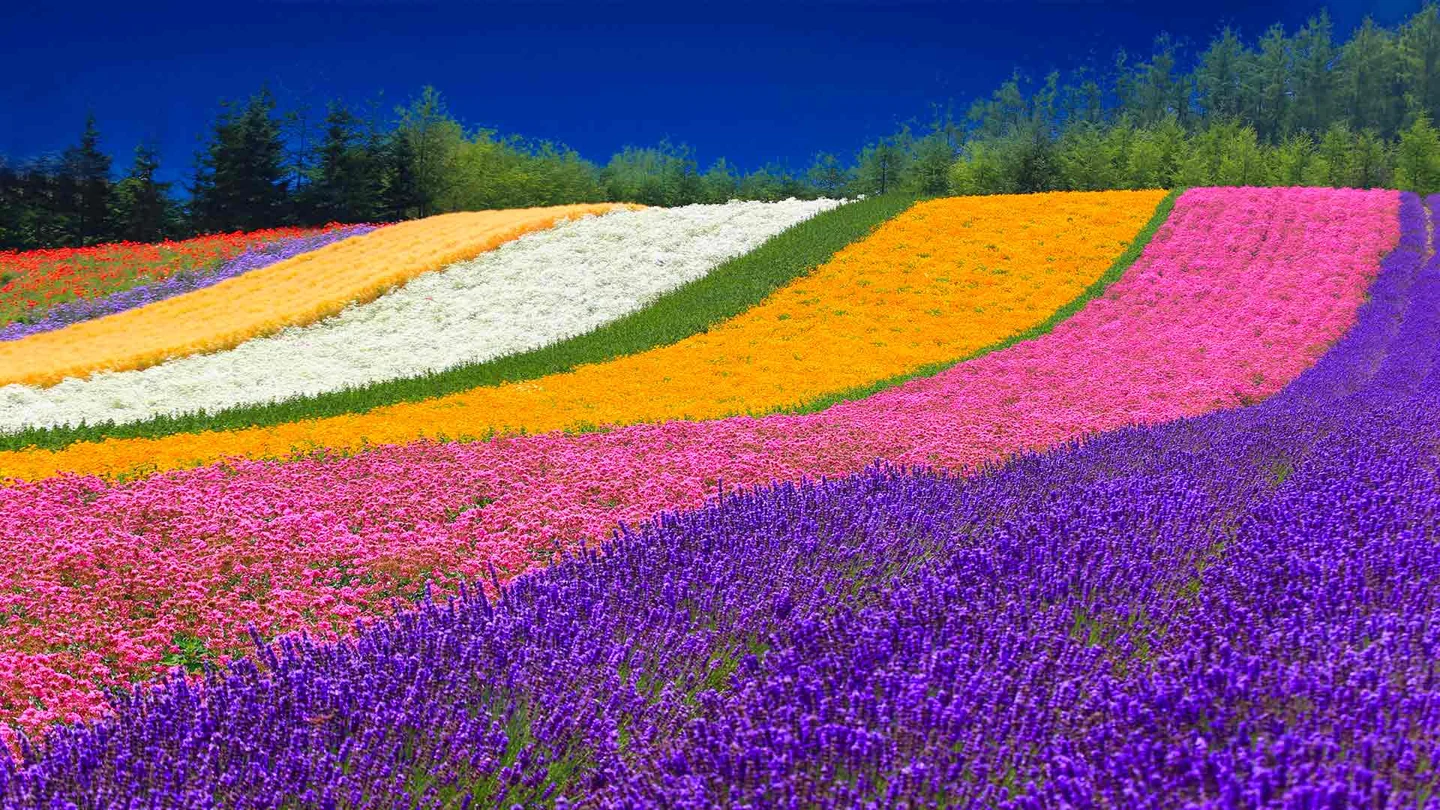
The appeal is a broad view over rows of seasonal flowers and the surrounding landscape. This is a separate garden visit, not another name for Farm Tomita. Admission, rides and the alpaca area have their own conditions. Check the operator's current information if you want an activity rather than only the scenery.
Two gardens can make sense for flower enthusiasts, especially on a local overnight route. On a Sapporo day trip, compare a second garden with spending longer at the first or visiting the pond. Do not put both gardens in the “quick photo” category if anyone wants time to explore.
Blue Pond: allow for paths, parking and changing water
The standing trunks and changing colour create the distinctive view. Sunlight, recent weather, runoff and the season affect its appearance. A still turquoise image does not establish the view on a particular afternoon. There is no swimming or walking onto the frozen surface.
The outing includes getting from the vehicle to the viewing path and back. Wet surfaces, snow and crowding can make that longer than expected. For a visitor with a stroller, a walking aid or limited endurance, discuss the current route and how much walking is comfortable before selecting the day's other stops.
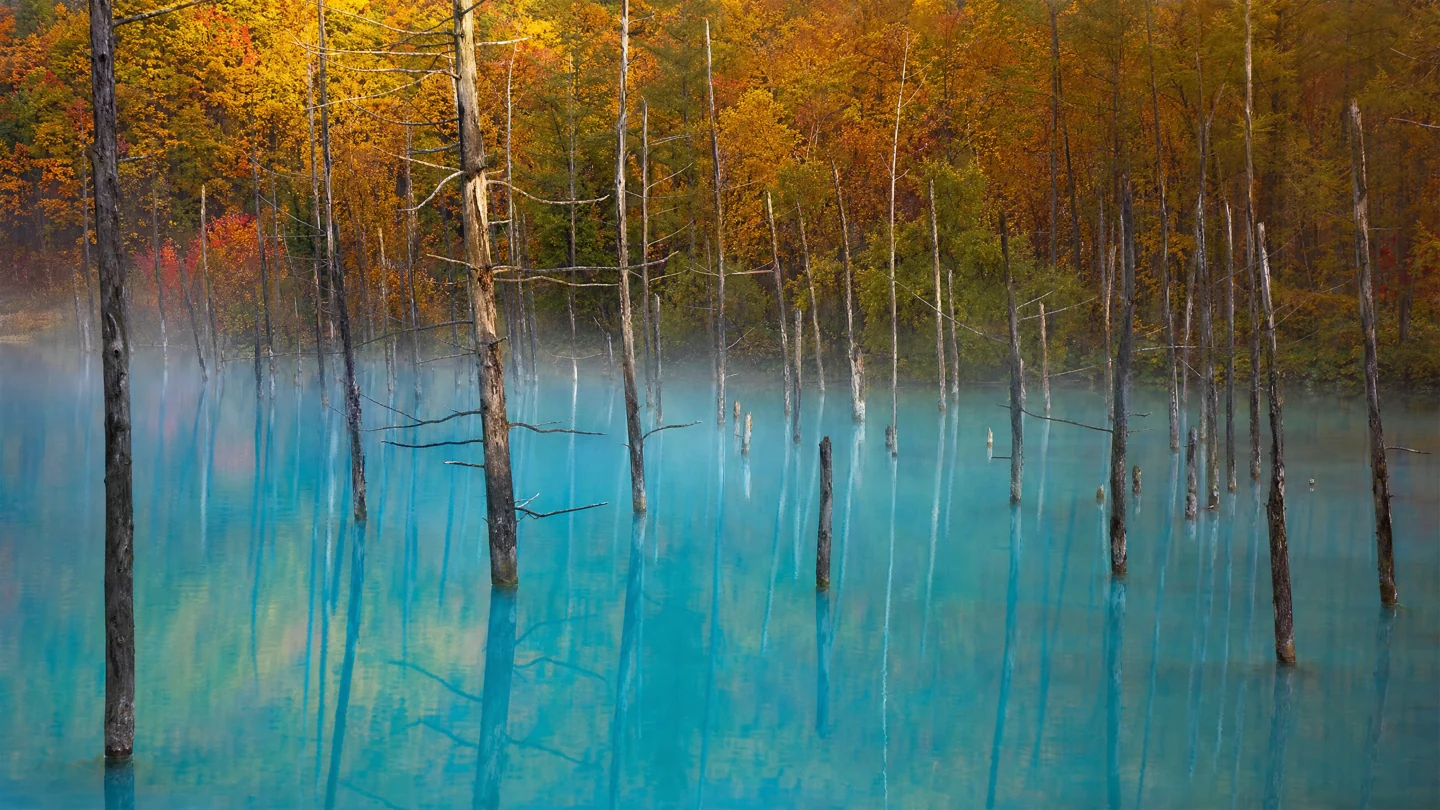
Shirahige Falls: combine sensibly, not instantaneously
The waterfall viewpoint adds moving water and the river landscape to a pond-focused outing. It is a natural companion to the Shirogane area, but still needs another safe parking and meeting arrangement. In winter, warm clothing, footwear with grip and enough time for the approach matter more than adding another distant roadside viewpoint.
Food, crafts and photography as alternative priorities
Furano's local produce, dairy foods and curry can make lunch part of the experience. Ningle Terrace offers a forest craft-shop setting, while Biei has galleries and viewpoints that suit a slower day. Request specific interests before booking: opening days, reservations and travel between areas need checking.
A photography trip may deliberately have fewer attractions and more waiting for suitable light. Tell us if you carry a tripod or unusually bulky equipment, and whether sunrise or an evening visit is the purpose. A standard daylight charter does not automatically include pre-dawn hours, specialist tuition or unlimited waiting.
One night in Furano or Biei: what becomes easier?
A two-day plan with less backtracking
Use the first day for one side of the region and the second for the other. For example, arrive through Asahikawa, explore Biei's hills and the Shirogane cluster, and stay in Biei or Shirogane. On the following day, travel towards Nakafurano for flowers and a Furano food or craft stop. Reverse the order if the wider Hokkaido itinerary makes that more practical.
This is a route concept rather than a fixed package. Your arrival time, hotel location and onward destination determine what fits. A late flight should shorten the first afternoon; a departure flight should set the second day's finish. Avoid booking a long activity immediately after landing and hoping road travel will always run exactly to plan.
Asahikawa, Biei and Furano pickups
Starting nearer the attractions can leave more local time than returning from Sapporo. It may also let you choose a single relaxed cluster rather than covering everything. Read the Asahikawa guide if you are deciding between a city base, a zoo day and a countryside outing.
A sightseeing transfer with luggage is different from a return day without bags. Provide the pickup and drop-off hotels, luggage quantities and required arrival time. Hotel rooms and meals are arranged separately; multi-day driving and any driver accommodation are quoted for that itinerary.
Three examples that need different plans
A family based in Sapporo: choose the main flower farm and one Biei cluster, agree a simple lunch and keep the last viewpoint optional. A full day already contains a long seated journey, so several extra short stops may be less useful than one comfortable rest.
A couple staying in Biei: begin with a local cluster and spend longer at places that suit the day's light. There is no need to travel down to Furano simply to justify calling the outing a “Furano Biei tour.” A quieter local route can make better use of the accommodation choice.
A group landing at Asahikawa Airport: confirm the actual ready-to-leave window and keep the first visit flexible. A shorter Biei outing followed by hotel arrival is more resilient than a prepaid lunch and a timed activity immediately after the flight. Send the onward hotel's address, since a Furano drop-off is a different route from returning to Asahikawa.
For two days, keep the scenic priorities distinct: one day for the hills and Shirogane, another for flowers and Furano interests. If poor weather affects the outdoor part, consider an open gallery, a food visit or a shorter walk in the same area. Moving a visit across days helps only when the vehicle, accommodation and activity arrangements permit it; it is not an automatic entitlement to change every reservation.
Winter in Biei and Blue Pond illumination
Winter deserves its own expectations: fields become snow landscapes, paths may be slippery and daylight is shorter. The Blue Pond can freeze or be covered by snow, so a visit is not a promise of open blue water. Keep the route shorter, build in warm breaks and be prepared to change stops when roads or visibility deteriorate.
For the currently announced 2026–27 season, Biei's official Blue Pond illumination runs from 22 October 2026 to 21 April 2027, with start times varying by month and a 21:00 finish. Recheck the dated tourism-association announcement for your visit. Dates for a different winter must be checked separately.
An illumination trip is not the standard 08:00–18:00 example
Darkness may arrive late enough that seeing the lights and driving back to Sapporo will extend beyond a daytime schedule. Ask for an evening-specific quotation, a later agreed start or a local overnight stay. Do not assume the ten-hour starting price buys an unrestricted extra evening.
Shirahige Falls can be a useful winter companion when access is suitable. Snow activities at a garden or another operator require sufficient snow, actual opening and the participant conditions for that activity. A child too young for one activity may need a different plan; do not rely on the photograph alone.
Families, lunch, luggage and comfortable walking
Plan the children's day, not only the adults' list
Child-seat setup, toilet stops, snacks and a proper lunch all use time. Make one main attraction enjoyable and keep a final stop optional. Tell us each child's age, height and weight when requesting an infant seat, child seat or booster. An advertised seat count does not confirm a comfortable arrangement with strollers and suitcases.
Ask about the path you will actually use
Short walking distances can still involve slopes, loose surfaces or ice. Explain whether anyone needs step-free access, shorter walks, help boarding or space for a mobility aid. Transport to an entrance is not a guarantee of barrier-free access throughout a rural attraction. A specific route and facility check is more useful than a general “wheelchair-friendly” claim.
Meal reservations can change the sightseeing order
A popular restaurant may have a closing day, a queue or limited capacity. If one meal is essential, provide its name and the reservation details before the route is agreed. Otherwise, a practical stop near the day's route is easier to fit. Describe allergies clearly and confirm suitability directly with the restaurant; a translation app is not an assurance that a dish is safe.
Carry the clothing needed for the season in the passenger area rather than buried under large cases. Keep passports, medicines, phones and valuables with you, and agree when to return to the vehicle. Comfortable travel depends as much on these small arrangements as on choosing a vehicle category.
Furano and Biei private-charter prices and what to request
HokkaidoMe's published full-day starting references for Biei/Furano are¥65,000 for an Alphard and ¥75,000 for a HiAce in April–November;¥70,000 and ¥85,000 respectively in December–March, per vehicle for up to ten hours counted from pickup. These are not an unlimited day or a price for every departure point. Your route, date, vehicle layout and availability are confirmed in a written JPY quotation.
The quoted charter includes the vehicle, driver, fuel, tax, expressway tolls and parking. Meals, attraction admissions and your own accommodation are separate. Extra time is ¥5,000 per 30 minutes when agreed. A Luxury HiAce request, a different starting point, a one-way hotel change or an evening extension needs its own confirmation.
An Alphard is usually best suited to up to four travellers with luggage; six travellers require a lighter load and an appropriate layout. Standard and Luxury HiAce configurations differ. List every traveller, large case, stroller, long equipment bag and mobility aid so people and luggage can be considered together.
Send the Japan-local date, both full hotel addresses, all passengers and bags, two or three priorities, meal needs and any fixed flight or train deadline. Our price guide and Terms & Conditions explain the current booking and cancellation arrangements. The existing 20% deposit and 80% balance policy applies; an enquiry alone is not a confirmed booking.
Furano Biei tour questions
Can I visit Furano and Biei in one day from Sapporo?
Yes, with a selective full-day plan and substantial driving. Choose two or three priorities and keep another stop optional. Several gardens, the zoo, a long restaurant meal and evening craft shopping will not all fit comfortably into the same ten-hour day.
Is July the only time worth visiting?
No. July is the main lavender planning window, while other seasons offer different flowers, agricultural scenery, autumn colour or snow. Check actual flower and opening reports rather than expecting a July image throughout the year.
Is the Blue Pond blue in winter?
It can be frozen or snow-covered, hiding the open water. Plan for a winter landscape and any confirmed illumination, with suitable footwear and extra road time. Its colour is not guaranteed in any season.
Can I use trains and local buses instead?
Yes, for a route that fits the current connections. Seasonal sightseeing trains and buses operate on specified dates, and reserved seats may be required. Check the last local connection and the onward journey from the station, not only the train from Sapporo.
Can the day begin at Asahikawa Airport and finish in Furano?
Ask for a route-specific sightseeing-transfer quote. Provide the flight, both endpoints, all luggage and the desired hotel arrival time. An arrival-day route needs enough margin for airport formalities and delays.
Should we add Asahiyama Zoo?
Make the zoo a main priority and remove other distant stops, or visit on a separate day. A zoo visit, the Furano flower fields and the full Biei route should not be treated as a relaxed standard ten-hour Sapporo return.
Does a private driver include guided walks?
Not automatically. HokkaidoMe plans the journey in English and drivers help with practical communication. Specialist guiding, language commentary, photography instruction and attraction activities are separate requests that need confirmation.
Can I stay for Blue Pond illumination?
Request an evening-specific plan. The lighting start varies by month, and returning to Sapporo afterwards may exceed a normal daytime charter. A later agreed start, an extension or a local overnight stay can be considered.
Connect this day with the rest of your Hokkaido trip
For a local base, see Asahikawa. For a longer circuit, compare the five-day and seven-day Hokkaido itineraries. A photography-focused trip needs different time allowances from a checklist of short stops.
Before travelling, check Farm Tomita, Biei Tourism Association, Shikisai-no-Oka and the date-specific JR Hokkaido information. Use the enquiry form to agree your own priorities and written quote.