Hokkaido travel tips
Prepare arrivals, payment options, phone access and daily journeys.
Travel manners · simple habits, easier visits
Know what to do at the doorway, on the train and before a first onsen. Practical questions and clear steps for a considerate trip through Japan and Hokkaido.
A good first visit to Japan does not require perfect bowing or fluent Japanese. It requires noticing the space you share: the passenger trying to leave a train, the restaurant host arranging a table, or the guest returning from a bath. Give yourself time to observe before acting.
This guide concentrates on decisions that visitors actually face in Hokkaido and elsewhere in Japan. Use the quick table before a journey, then check the relevant section for a restaurant, ryokan or onsen visit. The facility’s current signs and staff instructions take priority over a general travel article.
Keep cultural courtesy separate from trip logistics. For arrival, payments and phone preparation, use our Hokkaido travel tips. Here the focus is what to do when you reach the doorway, platform or shared table.
| Situation | A useful default | Check before acting |
|---|---|---|
| Restaurant entrance | Wait where staff can see you | Whether seating, a ticket machine or a queue comes first |
| Shoes at a doorway | Pause at the threshold | A shoe rack, a raised floor and the host’s direction |
| Train or bus | Let people leave; keep doors usable | Where your bags can stay without blocking others |
| Shared bath | Wash and rinse before soaking | Tattoo, towel and private-bath arrangements |
| Photographs | Look for signs and ask about people | Whether the location or activity allows cameras |
| Countryside viewpoint | Stay in authorised visitor areas | Private land and safe stopping places |
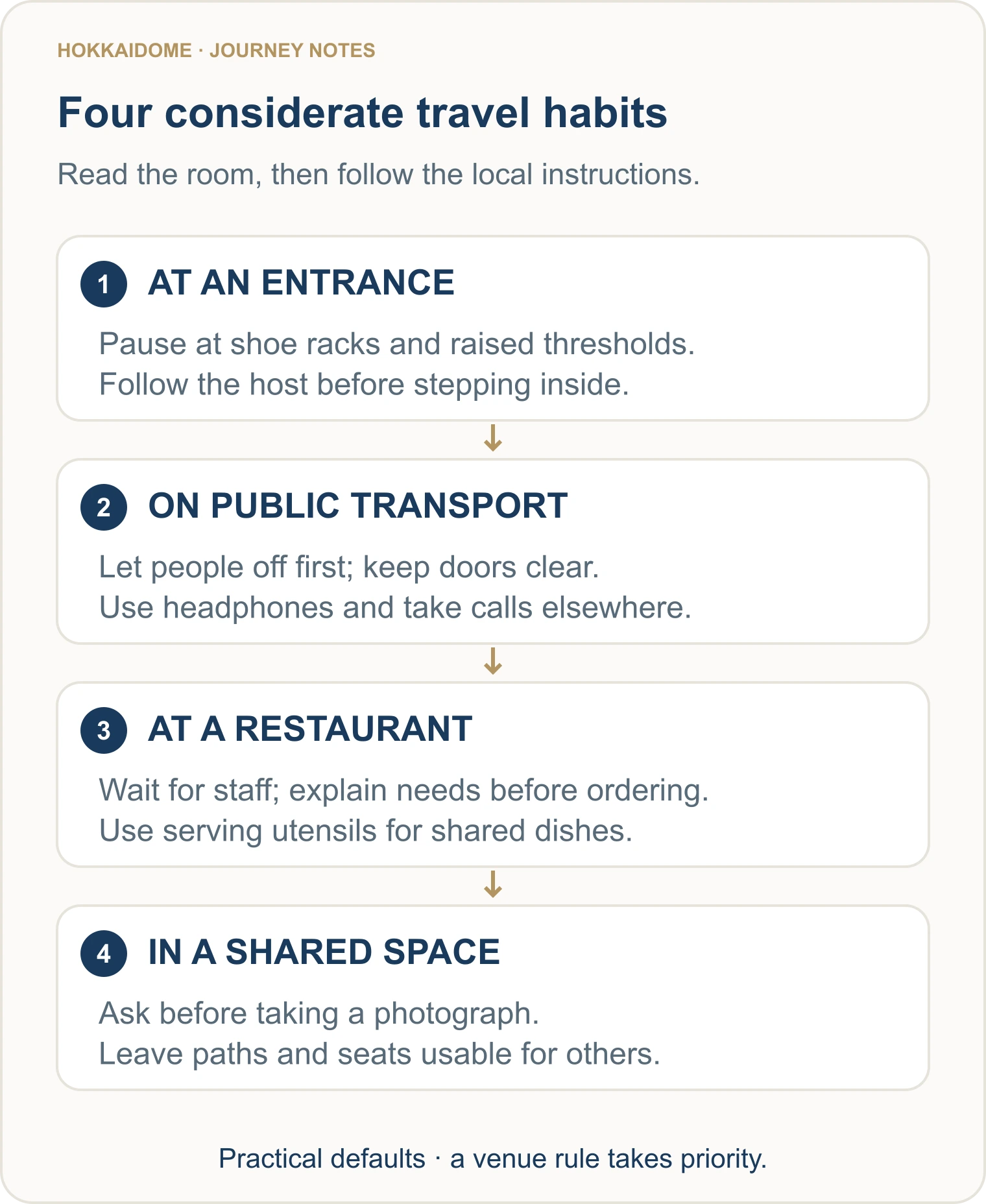
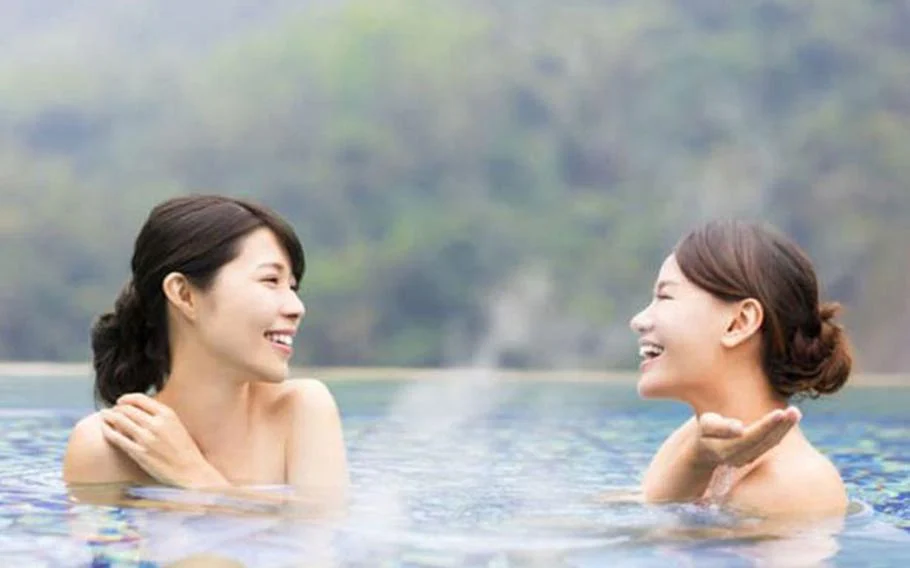
Check the individual bath’s tattoo policy and whether towels are supplied before you travel there. A private bath may be an alternative, but availability and rules still need confirmation. Ordinary shared onsen generally require bathing without swimwear; follow the facility’s instructions.
Leave clothing in the changing area. At a washing station, wash and rinse thoroughly before entering the shared water. Keep your towel and hair out of the bath, move calmly and leave phones and cameras outside bathing and changing spaces. Dry yourself before returning to the changing room.
If this is your first time, ask at reception for the sequence and the right entrance. Tell the hotel in advance if privacy or access requirements affect whether the experience works for you. Choose a bath you can enjoy comfortably rather than making a shared bath a compulsory part of the itinerary.
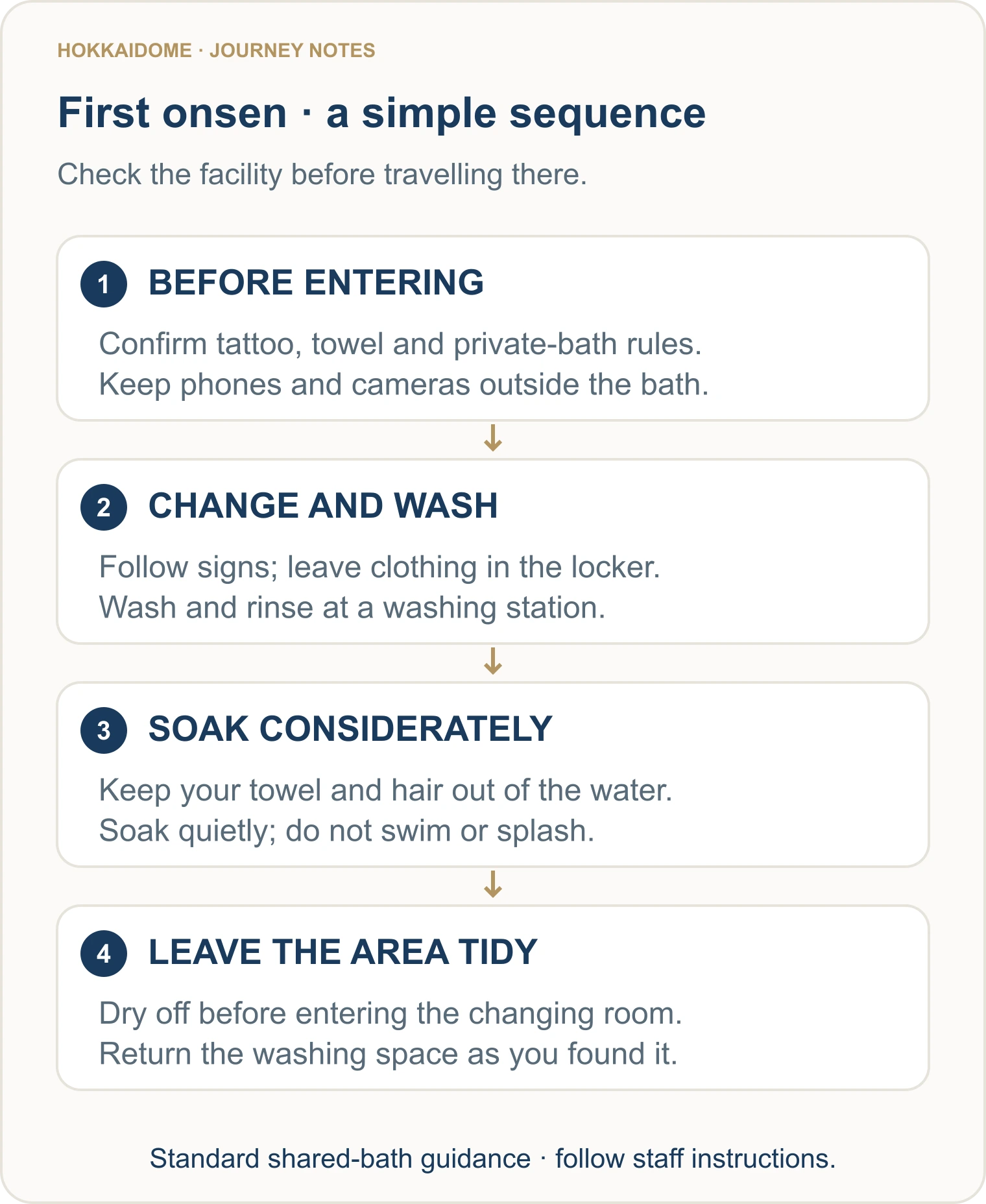
Wait at the entrance for staff instead of selecting an apparently empty table. If there is a queue or ticket machine, take a moment to understand that restaurant’s system. A party arriving in stages should tell staff how many people are still coming.
Use serving utensils for shared food where provided. Avoid leaving chopsticks upright in rice or passing food directly from one pair of chopsticks to another. You can enjoy the meal without imitating every unfamiliar gesture; asking for a fork is more practical than struggling with a dish you cannot comfortably eat.
Explain allergies and dietary requirements before ordering. Our Sapporo food-allergy and meal-planning guide provides a separate checking process. Courtesy is not a substitute for a clear ingredients and preparation conversation.
Routine tipping is not the usual restaurant custom. An izakaya may have an otoshi or other stated charge; ask staff to explain the bill if needed. For a booked restaurant, keep the actual reservation time accessible and contact the venue if your travel plan changes.
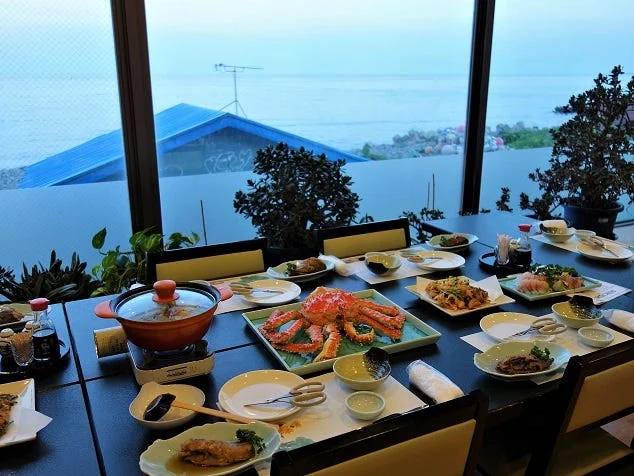
Make boarding easier for the people around you: wait clear of the doorway, let passengers get off and then move into the carriage. A large group should prepare tickets and decide who is helping with the bags before reaching the gate.
Keep voices low and avoid phone calls or audio played through a speaker. Use headphones at a level that stays personal. Keep bags away from doors, aisles and spare seats needed by other passengers, and follow the operator’s instructions for storage.
A good airport connection also needs a luggage plan. JR Hokkaido distinguishes reserved and non-reserved seating on its airport services; a seat reservation does not remove the need to manage bags considerately. Check the actual service and ticket in the current airport train guide.
If a child or another traveller needs help, allow an earlier connection and a calmer boarding process. A journey is easier when one person is not trying to hold a door, search for a ticket and move several suitcases at the same time. Our Hokkaido public transport guide helps with the route itself.
An entrance can have several boundaries: outdoor shoes, indoor slippers and a room where slippers also stay outside. Follow the host and the signs at each one. Do not assume that the first change of footwear applies throughout the entire building.
At a shoe-off entrance, step out of outdoor footwear before moving onto the clean indoor surface and place shoes where the host indicates. Keep toilet slippers in their designated area. In a traditional room, ask where slippers should be left before stepping onto tatami.
For an overnight stay, ask about meal times, check-in and any facility instructions when you book. Arriving late can affect more than your own room: a prepared dinner or a small reception team may be waiting. Share an updated arrival time with the accommodation rather than relying on the driver to solve a missed arrangement at the door.
A view can be public to look at while the land in front of it remains private. Biei Tourism Association specifically asks visitors not to walk into fields or obstruct traffic. Snow, a harvested crop or the absence of a fence does not turn a field into a visitor path.
Ask your driver to use an authorised stopping place, then stay in the viewing area. Do not ask for an improvised roadside stop because a particular angle looks good from the car. Let a missed picture stay missed if getting it would block a road or cross a boundary.
In town, look for photography notices and ask before making identifiable people the subject of a picture. Stand aside to review your phone instead of stopping in an entrance. In a shop, museum or place of worship, the location’s rule determines whether a camera or tripod belongs there.
These habits also make a better short itinerary. Fewer hurried photo stops leave time to enjoy one permitted viewpoint or a local craft shop. The Hokkaido photography travel guide helps plan that kind of day.
| Phrase | Meaning | When it helps |
|---|---|---|
| Sumimasen | Excuse me / sorry | Getting staff attention or correcting a small mistake |
| Arigatou gozaimasu | Thank you | A straightforward, courteous response |
| Koko de kutsu o nugimasu ka? | Should I remove my shoes here? | Before crossing an unfamiliar threshold |
| Shashin o totte mo ii desu ka? | May I take a photograph? | Ask about the location or subject first |
You can also use plain English, a short written question or a translation app. Show one question at a time and wait for the answer. A longer explanation is not always clearer, especially in a busy queue.
If you make a mistake, correct what you can and apologise briefly. Put the shoes or towel where staff indicate, move the bag or stop the photograph. The useful part is the correction; you do not need to perform embarrassment for the rest of the visit.
Begin with the setting you will actually use: a quiet train journey, a restaurant entrance, a shoe-off threshold and any shared bath. Read signs and follow staff instructions. A considerate pause and a simple question are more useful than memorising a long list of ceremonial rules.
Routine tipping is not the usual restaurant custom. Pay the stated bill and ask about a charge you do not understand. A special service with an explicitly stated tipping arrangement is different; check the actual provider rather than applying a rule from another country.
Ask the individual facility before visiting. Policies differ, and a cover is useful only where that facility permits it. Check any private-bath option and its booking conditions separately. An answer from one hotel does not establish the rules at another bath.
Keep phones and cameras outside shared bathing and changing spaces. An apparently empty room can change without warning. For a private bath, ask the operator about its policy instead of assuming that private use includes permission to photograph.
Follow the particular entrance and staff directions. Many ordinary restaurants keep shoes on; a raised floor, shoe storage or a traditional room may indicate a different arrangement. Pause before crossing the threshold and keep outdoor footwear off any area designated for indoor use.
Keep conversation low and take calls away from the carriage. The appropriate way to eat depends on the service and setting: a crowded local commute and a long-distance seated journey are different. Follow operator guidance and keep smells, rubbish and luggage from affecting other passengers.
Stay outside private farmland even when snow hides the crops or boundary. Use designated visitor areas and authorised viewpoints. Biei Tourism Association asks visitors not to enter fields or obstruct traffic. Ask for a properly permitted experience if entering farmland is part of the activity.
Correct the immediate problem, give a brief apology and follow the instruction you have been given. If you are unsure what to do, stop and ask. You do not need to turn a small, corrected mistake into a lengthy explanation that holds up other people.
Reviewed 23 October 2026. The tables, questions and trip-planning examples are HokkaidoMe editorial guidance. Check facility rules directly, especially for baths, dining reservations and access requirements.
Plan it with HokkaidoMe
Tell us your dates, hotels, group and the journeys you want help with. Include shorter-walking, privacy or other requirements that affect the route or accommodation choices.
We reply in English with availability and a personalised quote. A form enquiry does not create a confirmed reservation.