Japan is welcoming to international visitors, and nobody expects you to know every unwritten rule. The goal is not perfection. It is noticing the shared spaces around you, following the lead of staff and locals, and asking politely when you are unsure.
For visitors from the USA and Australia, the biggest differences tend to appear in hot springs, restaurants, and public transport. This guide focuses on those moments, with a few simple habits that make travel across Hokkaido feel more natural from day one.
The rule that covers almost everything
Keep shared spaces comfortable for the people around you. On a train, that means quiet voices and no phone call. In a restaurant, it means waiting to be seated. At an onsen, it means washing before entering the bath. If a facility has a sign or staff instruction, follow that first.
Your first five minutes: a quick etiquette map
| Situation | A good default | What to avoid | Useful phrase |
|---|---|---|---|
| Restaurant arrival | Wait near the entrance and make your presence known | Choosing an empty table without being shown | Sumimasen (excuse me) |
| Train or bus | Keep calls off and voices low | Speakerphone, loud video audio, blocking doors | Arigatou gozaimasu (thank you) |
| Onsen | Wash first and keep the bath water clean | Putting towels in the bath | Daijoubu desu ka? (is this okay?) |
| Payment | Pay the amount shown; card or cash is fine if accepted | Adding a customary tip | Kaado wa tsukaemasu ka? (can I use a card?) |
Onsen etiquette: clean first, soak second
An onsen is a shared bath, not a swimming pool. The Japan National Tourism Organization's visitor guidance explains the key sequence: wash your body thoroughly at the shower area, then enter the bath with a clean body. Keep your small towel outside the water, and do not swim or splash.
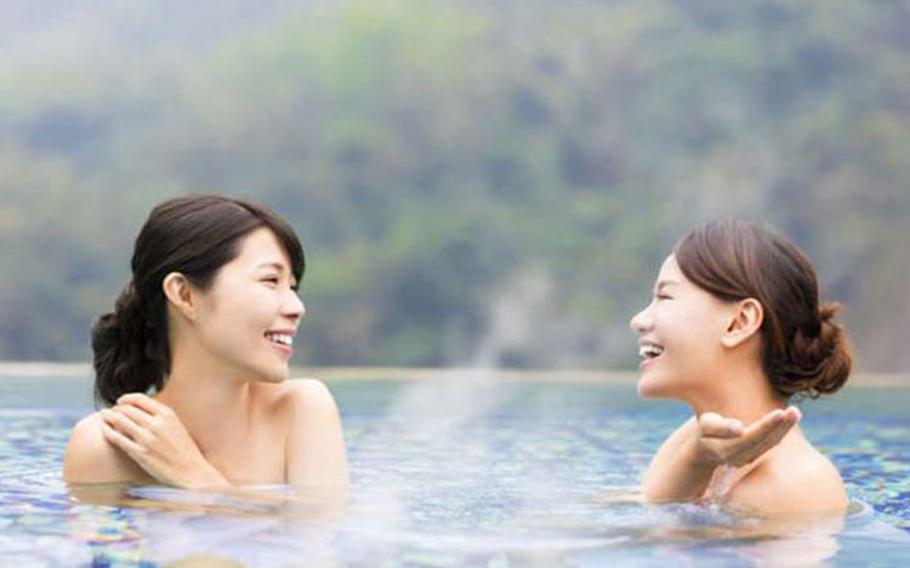
Before you go in
Remove shoes before the changing area, check whether towels are provided, and wash carefully at a shower station. Tie up long hair.
Tattoo policy
Policies differ. Some facilities allow tattoos, some ask for a cover, and some do not permit them. Ask your hotel or contact the facility before travelling there.
Restaurant manners: wait to be seated, then make needs clear
In Japan, many restaurants expect guests to wait for a host or staff member rather than choosing a vacant table. The JNTO also notes that kitchen modifications may be less flexible than visitors expect, especially at fast-paced restaurants. If you have an allergy or dietary restriction, communicate it early and simply; do not assume a dish can be changed after ordering.
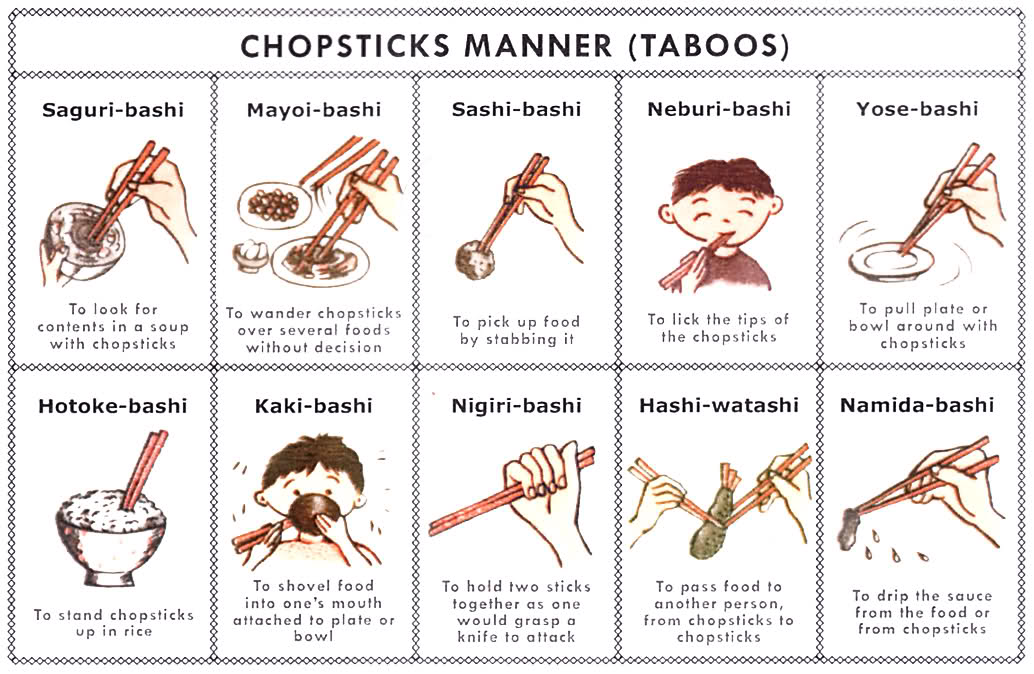
Tipping and “otoshi”
Tipping is not an ordinary restaurant custom in Japan. At some izakaya, a small dish called otoshi may arrive automatically. It is a cover charge or starter, not a tip and not necessarily a mistake on the bill.
Public transport: quiet, considerate, and prepared
Japan's trains and buses are not silent, but people generally keep conversations subdued. Avoid phone calls, use headphones, let passengers leave before you board, and keep bags out of the aisle. In Hokkaido, the same courtesy matters on local buses, ski shuttles, and airport trains—especially when luggage is involved.
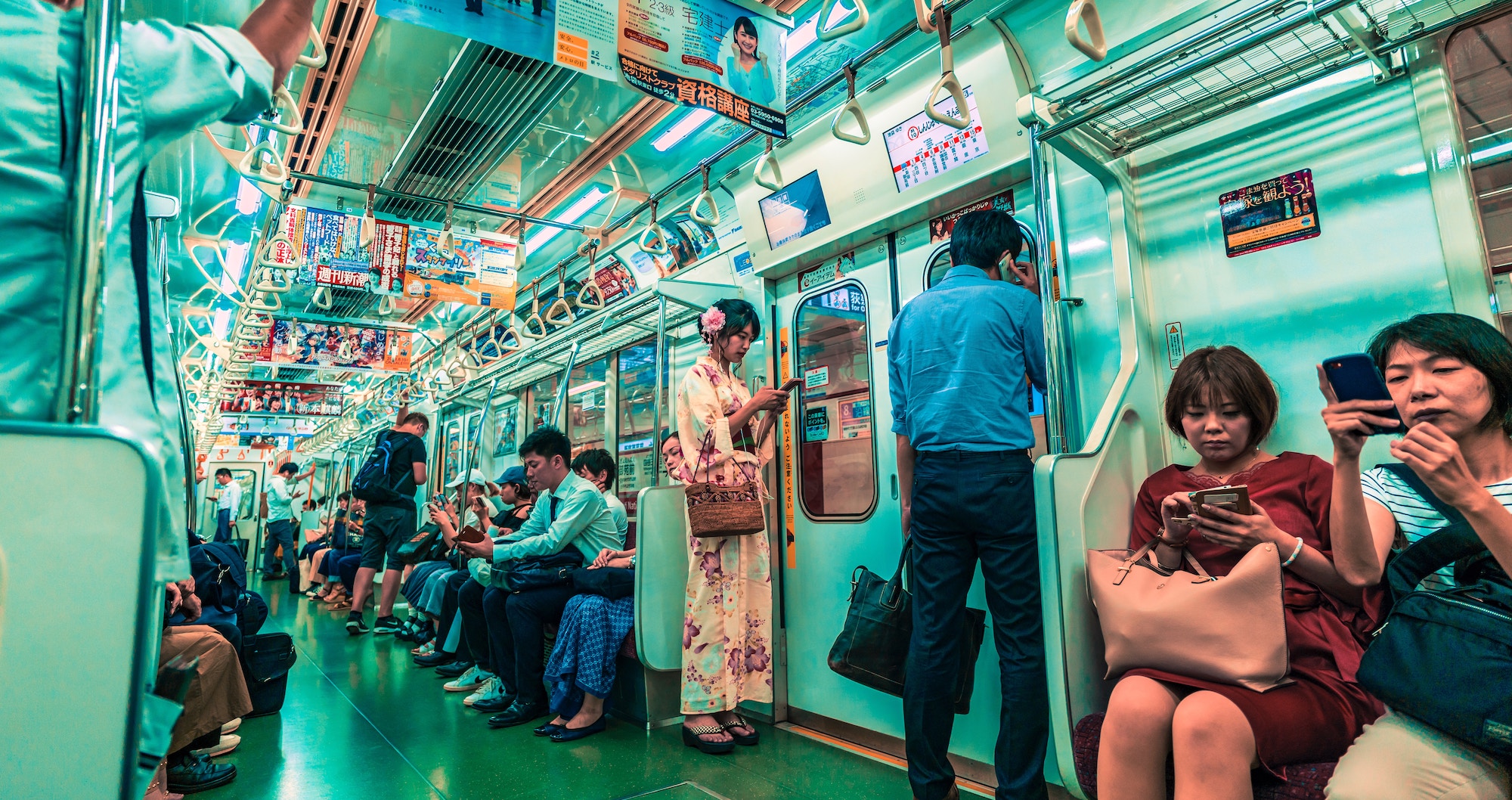
For Hokkaido-specific route planning, read our public transport guide. If your route combines remote stops, bulky luggage, or a strict timetable, a private driver can remove the pressure without replacing the rest of your Japan travel experience.
Four small habits that show respect
Shoes and thresholds
If you see a step, shoe rack, or slippers at an entrance, pause and look for the local pattern. Keep toilet slippers inside the toilet area.
Photography
Ask before photographing people and check for signs in shops, museums, shrines, and restaurants. A beautiful moment is not automatically a public photo opportunity.
Rubbish
Public bins can be scarce. Carry a small bag for wrappers and dispose of them at your hotel or an appropriate bin.
When unsure
A quiet pause, a friendly gesture, and “sumimasen” will usually get you the help you need. Staff appreciate a clear, simple question.
Japan etiquette FAQ
Do I need to bow?
A small nod or polite verbal greeting is enough for visitors. Do not worry about matching formal bow angles; a natural, respectful response is preferable.
Can I eat on a train?
On local urban trains, it is best to avoid strong-smelling or messy food. On long-distance trains, food is more common. Follow the setting and keep your space tidy.
Can I wear shoes in a Japanese home?
Usually no. Remove them at the entrance and follow your host's direction. Many traditional rooms also require bare feet or socks, rather than slippers.
What should I do if I make a mistake?
Do not panic. Apologise briefly, correct the issue if you can, and move on. Most people understand that visitors are learning.
Private Car Hire Across Hokkaido
Travel at Your Family's Pace
Skip the timetable pressure, luggage transfers, and language barriers. JapanMe Hokkaido pairs your group with an English-speaking driver for airport transfers, day trips, and multi-day journeys.
Related Articles