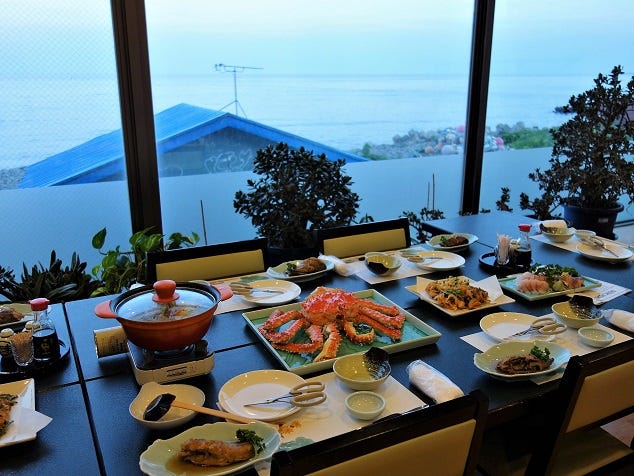
Hokkaido is a superb food destination, but its signature ingredients can create extra planning for travellers with food allergies or dietary restrictions. Seafood, dairy, wheat-based noodles, soy sauce and fish-based stock appear often, sometimes in places a menu does not make obvious.
This guide is for visitors who need a practical process rather than a promise. It explains how to communicate your needs, plan restaurants before travel, and keep alternatives available while moving between Hokkaido’s cities and rural areas.
Start with the difference between a preference and an allergy
A restaurant can only help when it understands what matters. State the ingredient, whether even a small amount is unsafe, and whether cross-contact is a concern. A broad phrase such as ‘no seafood’ may not explain a shellfish allergy, fish avoidance, or a vegetarian diet.
For severe allergies, build your own clinician-approved plan before travel. Keep necessary medication with you, carry a clear Japanese explanation card, and do not rely on a dish name alone.
Safety note: this is travel-planning information, not medical advice. Ask your clinician about your individual needs, medication, and emergency plan before departure.
Sources: [1] Food Allergy Research & Education: Traveling to Japan With Food Allergies
Know the Hokkaido ingredients worth asking about
Hokkaido’s food culture is a reason many visitors come, but it also concentrates several common concerns. Ramen and baked goods commonly involve wheat; seafood bowls and broths may contain fish or shellfish; dairy is prominent in ice cream, cheese and desserts. Dashi and soy sauce deserve an explicit question because they appear across Japanese cooking.
When booking, share your restriction before the day of your meal. A restaurant that says no is often being responsible about what its kitchen can safely guarantee.
| Need | Ask about | Useful planning move |
|---|---|---|
| Shellfish or fish allergy | Broth, sauces, shared grills, seafood stock | Choose the restaurant in advance and ask whether cross-contact can be managed |
| Gluten-free | Ramen, soy sauce, frying flour and shared oil | Use a written card and confirm ingredients, not only the dish name |
| Vegetarian or vegan | Dashi, bonito flakes, meat stock and gelatin | Explain whether fish stock is included in your restriction |
| Dairy or egg allergy | Desserts, batter, creamy sauces and bakery items | Keep a known-safe snack during long driving days |
A booking checklist that makes dining easier
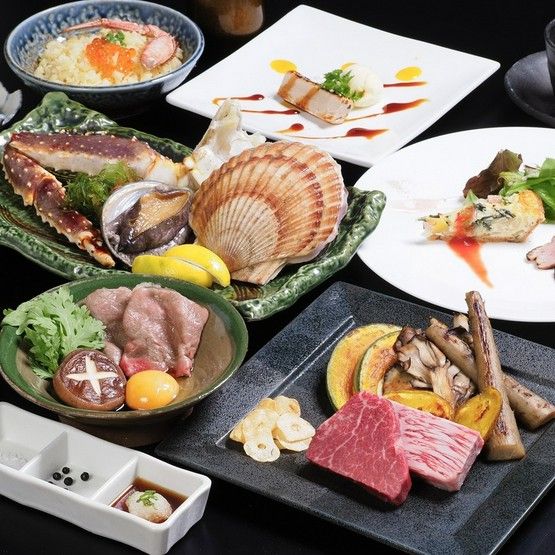
Choose restaurants with enough lead time to respond. Include your allergens, desired date and party size in writing; ask whether the kitchen can accommodate the request; and confirm the answer again on arrival. A translation card is useful because it gives a chef or manager something exact to read.
Build backup choices around each overnight stop. In Sapporo you may have several alternatives nearby, but a rural day in Furano, Biei or Niseko may have fewer kitchens available at short notice.
Use your itinerary to protect your options
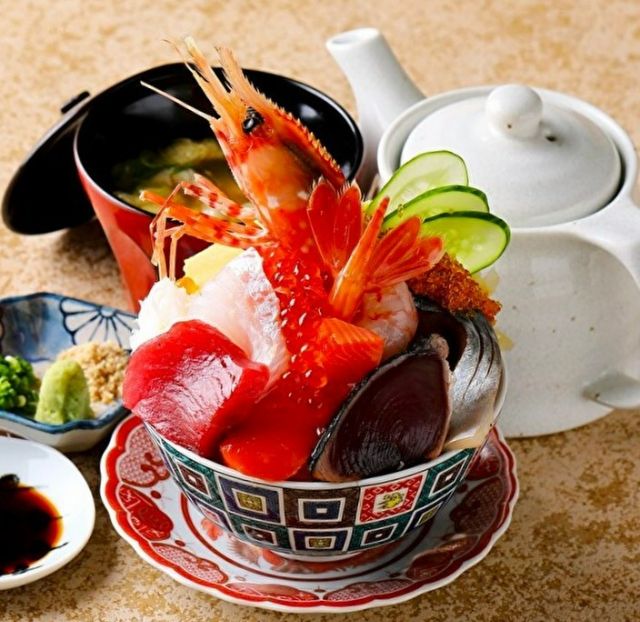
A private driver cannot make an unsafe kitchen safe, but it can make the day more flexible. You can schedule pre-approved restaurants, keep safe snacks in the vehicle, add a supermarket stop, or change to a planned alternative instead of trying to solve a complex meal request beside a remote attraction.
Tell us about dietary needs when you request a quote. We can build realistic meal windows and route timing around the places you have already confirmed.
Food allergies and dietary restrictions FAQ
Can restaurants in Hokkaido accommodate food allergies?
Some can, particularly with advance notice, but accommodation is never automatic. Share the exact allergen and cross-contact concerns before booking, and accept a refusal if the kitchen cannot safely support the request.
Is Hokkaido easy for gluten-free travellers?
It takes preparation. Wheat can appear in ramen, breaded foods, noodles and many soy sauces. Use a Japanese explanation card, ask about ingredients and preparation, and keep a safe snack option with you.
Are vegetarian and vegan meals easy to find?
They are more available in larger centres such as Sapporo, but fish-based dashi and bonito flakes are common in Japanese cooking. Explain whether fish stock and seafood are included in your restriction.
What should I do if I have a severe reaction?
Follow your clinician’s emergency plan, use prescribed medication as directed, and call 119 for an ambulance in a medical emergency. Carry medication and clear written information about your allergy.
References
Private Car Hire Across Hokkaido
Plan Hokkaido With Local Support
A private driver can make the practical parts of a Hokkaido day simpler: flexible food stops, rural transfers, luggage space and an itinerary that can adapt as you travel.
Related Articles