Japan Travel Tips for
First-Time Visitors from
the USA & Australia
12 min read · Updated June 2026
Japan is one of the world's most rewarding travel destinations — but it operates by its own rules. For first-time visitors from the USA and Australia, the differences can be surprising: a cash-first economy, a no-tipping culture, complex etiquette around shoes and onsen, and a transport system that is simultaneously brilliant and bewildering.
This guide covers the practical essentials that will make your Hokkaido trip smoother, more enjoyable, and less stressful. Think of it as the briefing your travel agent forgot to give you.
Cash Is Still King in Japan
Despite Japan's reputation for technology, it remains a predominantly cash-based society. Many restaurants, smaller shops, rural attractions, and local transport still do not accept credit cards. This surprises almost every first-time visitor from the USA or Australia, where card payments are universal.
The solution is simple: withdraw cash as soon as you land. 7-Eleven ATMs and Japan Post ATMs reliably accept foreign Visa, Mastercard, and Amex cards. Most other ATMs (including those at Japanese banks) do not accept foreign cards.
How Much Cash to Carry
• Budget travellers: ¥5,000–8,000 per day
• Mid-range: ¥10,000–15,000 per day
• Luxury: ¥20,000+ per day
Note: Private car hire is typically paid in advance or by card — no need to carry large amounts for your driver.
Do Not Tip — Ever
Tipping is not part of Japanese culture and can actually cause offence. In restaurants, hotels, taxis, and tour services, the price you see is the price you pay — no service charge, no tip expected.
If you leave money on the table after a meal, staff will often chase you down the street to return it, assuming you forgot it. The concept of a service tip simply does not translate in Japan. The high standard of service you'll experience is considered a professional baseline, not something that requires additional reward.
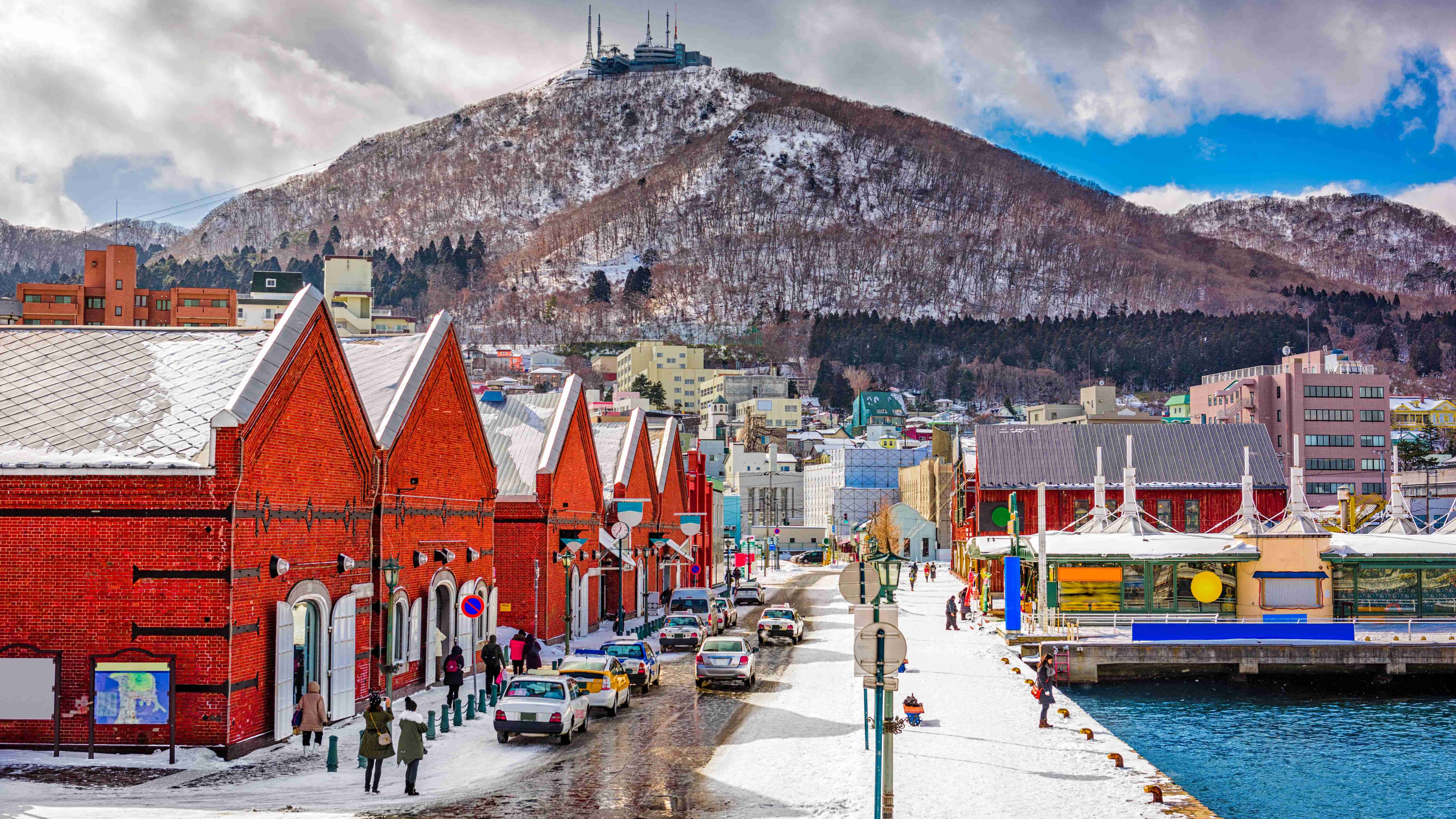
Hokkaido's wide open landscapes are best explored at your own pace with a private driver.
Get a Suica or IC Card
A Suica card (or its Hokkaido equivalent, the Kitaca) is a rechargeable IC card that works like a transit card for trains, buses, and subways across Japan. More importantly, it can also be used to pay at convenience stores, vending machines, and many restaurants.
Pick one up at any JR station upon arrival. Load it with ¥3,000–5,000 to start. You can now add Suica to Apple Wallet or Google Pay before you leave home, which is even more convenient.
Skip the Transport Stress
Private car hire with English-speaking driver
No IC cards, no timetables, no language barriers
Shoes Off — The Indoor Rule
Japan has a strict indoor/outdoor shoe distinction. You will be expected to remove your shoes when entering traditional restaurants (those with tatami seating), ryokan (traditional inns), many temples, and some private homes.
The rule is simple: if there's a step up at the entrance and a row of slippers, take your shoes off and leave them at the entrance. Slippers will be provided. There are also special toilet slippers in bathrooms — remember to swap back when you leave the bathroom (forgetting is a common and embarrassing mistake).
Practical tip: wear shoes that slip on and off easily, and make sure your socks are presentable. Wearing socks with holes is considered embarrassing in Japan.
Onsen Etiquette: What You Need to Know
Hokkaido is famous for its onsen (hot spring baths), and visiting one is a highlight of any trip. However, onsen have strict rules that differ significantly from Western spa culture.
Wash thoroughly before entering
You must shower and scrub at the washing stations before entering the communal bath. The onsen water is for soaking, not washing.
No swimwear
Traditional onsen are entered completely naked. This surprises many Western visitors but is non-negotiable in most facilities.
Tattoos may be restricted
Many onsen prohibit visible tattoos due to historical associations with organised crime. Some facilities have private baths available for tattooed guests — check in advance.
Keep your towel out of the water
Small towels are used for modesty while walking around, but must not be dipped into the bath water. Fold it and place it on your head or the side of the bath.
Separate baths for men and women
Most onsen have separate facilities for men and women. Mixed-gender (konyoku) onsen exist but are rare and usually require swimwear.
Internet & Communication
Staying connected in Japan is easy and affordable. The two main options are a pocket Wi-Fi device (rented at the airport) or a Japan SIM card. Both provide fast, reliable data coverage across Hokkaido, including most rural areas.
| Option | Best For | Approx. Cost |
|---|---|---|
| Pocket Wi-Fi | Groups (multiple devices) | ¥600–900/day |
| Japan SIM card | Solo travellers, longer stays | ¥3,000–5,000 for 30 days |
| eSIM | Modern smartphones, no hardware | ¥2,000–4,000 for 15 days |
| International roaming | Short trips, convenience | USD $10–15/day (expensive) |
Google Translate's camera feature (point your phone at Japanese text to see an instant translation) is invaluable for menus and signs. Download the Japanese language pack for offline use before you leave home.
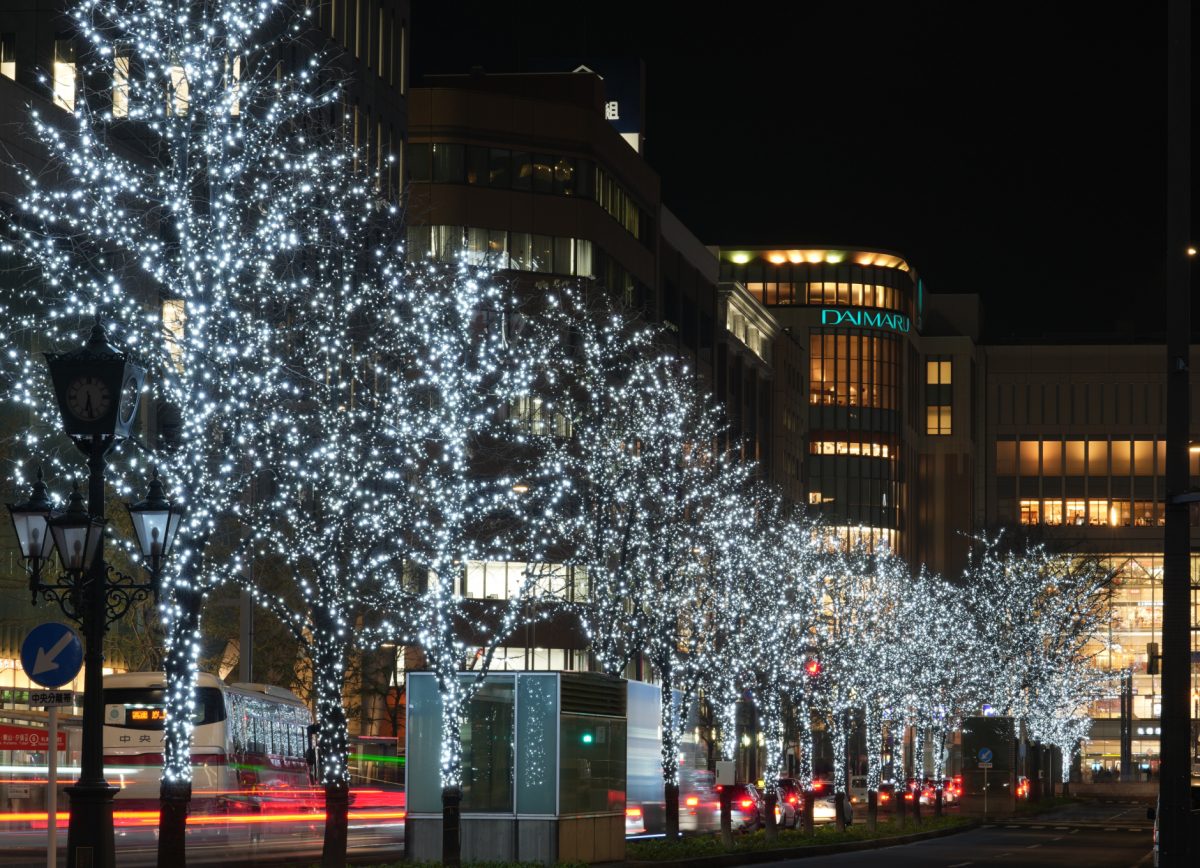
Sapporo's winter illuminations make the city magical after dark — a highlight of any Hokkaido visit.
Language: More English Than You Think
English proficiency varies widely in Hokkaido. In Sapporo and major tourist areas (Niseko, Otaru), you'll find English menus, English-speaking staff, and English signage. In rural areas and smaller towns, English is much rarer.
Key phrases to learn: "Sumimasen" (excuse me / sorry), "Arigatou gozaimasu" (thank you very much), "Eigo wa hanasemasu ka?" (Do you speak English?), and "Kore wo kudasai" (I'll have this one — useful for pointing at menus).
Japanese people are generally very helpful and will go out of their way to assist confused tourists, even with limited shared language. Don't be afraid to ask for help.
Safety & Emergency Information
Japan is one of the safest countries in the world for tourists. Violent crime is extremely rare, and lost property is routinely handed in to police. That said, there are a few things to be aware of:
Emergency Number
110 (police), 119 (ambulance/fire)
Natural Hazards
Hokkaido has active volcanoes and occasional earthquakes. Follow local authority instructions.
Traffic
Japan drives on the left. Look right before crossing the street.
Bicycle theft
The main petty crime. Always lock your bicycle if renting one.
Frequently Asked Questions
Do I need a visa to visit Japan from the USA or Australia?+
No. Citizens of the USA and Australia can enter Japan visa-free for up to 90 days for tourism purposes. Your passport must be valid for the duration of your stay.
Is Japan expensive for American and Australian tourists?+
Japan has become significantly more affordable for USD and AUD holders due to the weak yen. As of 2026, Japan offers excellent value compared to most Western destinations, particularly for accommodation, food, and transport.
Can I use my credit card everywhere in Japan?+
Major credit cards (Visa, Mastercard) are accepted at hotels, department stores, and larger restaurants. However, many smaller establishments, local restaurants, and rural attractions are cash-only. Always carry some yen.
Is English widely spoken in Hokkaido?+
In Sapporo, Niseko, and major tourist areas, English is reasonably common. In rural areas, it is much rarer. Google Translate's camera feature and basic Japanese phrases will help significantly.
What is the best way to get around Hokkaido without speaking Japanese?+
A private car hire with an English-speaking driver eliminates language barriers entirely. Your driver handles all navigation, parking, and communication with local vendors — allowing you to focus on the experience.
Explore Hokkaido Your Way
Private Car Hire with English-Speaking Driver
No language barriers, no confusing timetables. Just you, your driver, and the best of Hokkaido.
Related Articles