Japan SIM Cards &
Pocket Wi-Fi Guide
10 min read · Updated June 2026
Staying connected in Japan is easier and cheaper than most visitors expect. Whether you're navigating Sapporo's subway, finding the best ramen shop in Asahikawa, or using Google Maps to locate a viewpoint in Biei, reliable internet access transforms your trip.
This guide covers all your connectivity options in Japan — SIM cards, eSIMs, pocket Wi-Fi, and international roaming — with honest advice on which is best for travellers from the USA and Australia visiting Hokkaido.
Quick Recommendation
Solo traveller or couple: eSIM (most convenient, no hardware needed)
Group of 3+ sharing data: Pocket Wi-Fi rental (one device, multiple connections)
Longer stay (2+ weeks): Physical SIM card (better value for extended use)
Short trip, don't want to think about it: International roaming (expensive but zero setup)
Option 1: eSIM (Best for Most Travellers)
An eSIM is a digital SIM card that you download directly to your phone before you leave home. No physical card, no waiting at the airport — just activate it when you land and you're connected immediately.
Most modern smartphones (iPhone XS and later, Google Pixel 3 and later, Samsung Galaxy S20 and later) support eSIM. Check your device compatibility before purchasing.
| Provider | Data | Duration | Price (approx.) |
|---|---|---|---|
| Airalo (Docomo network) | 3GB | 30 days | USD $9 |
| Airalo (Docomo network) | 10GB | 30 days | USD $18 |
| Holafly | Unlimited | 7 days | USD $19 |
| Holafly | Unlimited | 15 days | USD $29 |
| Ubigi | 5GB | 30 days | USD $13 |
| Sakura Mobile eSIM | 10GB | 30 days | USD $20 |
Coverage in Hokkaido is generally excellent on Docomo and SoftBank networks, which power most eSIM providers. Rural areas of Hokkaido have good 4G LTE coverage on major routes, though very remote mountain areas may have limited signal.
Option 2: Physical SIM Card
Physical SIM cards for tourists are available at New Chitose Airport (arrivals hall), major electronics stores (Yodobashi Camera, Bic Camera), and convenience stores. They typically offer data-only plans — you can make calls via apps like WhatsApp or FaceTime, but not standard phone calls.
The most popular options for tourists are IIJmio, Sakura Mobile, and b-mobile. These run on the Docomo network and offer reliable coverage across Hokkaido.
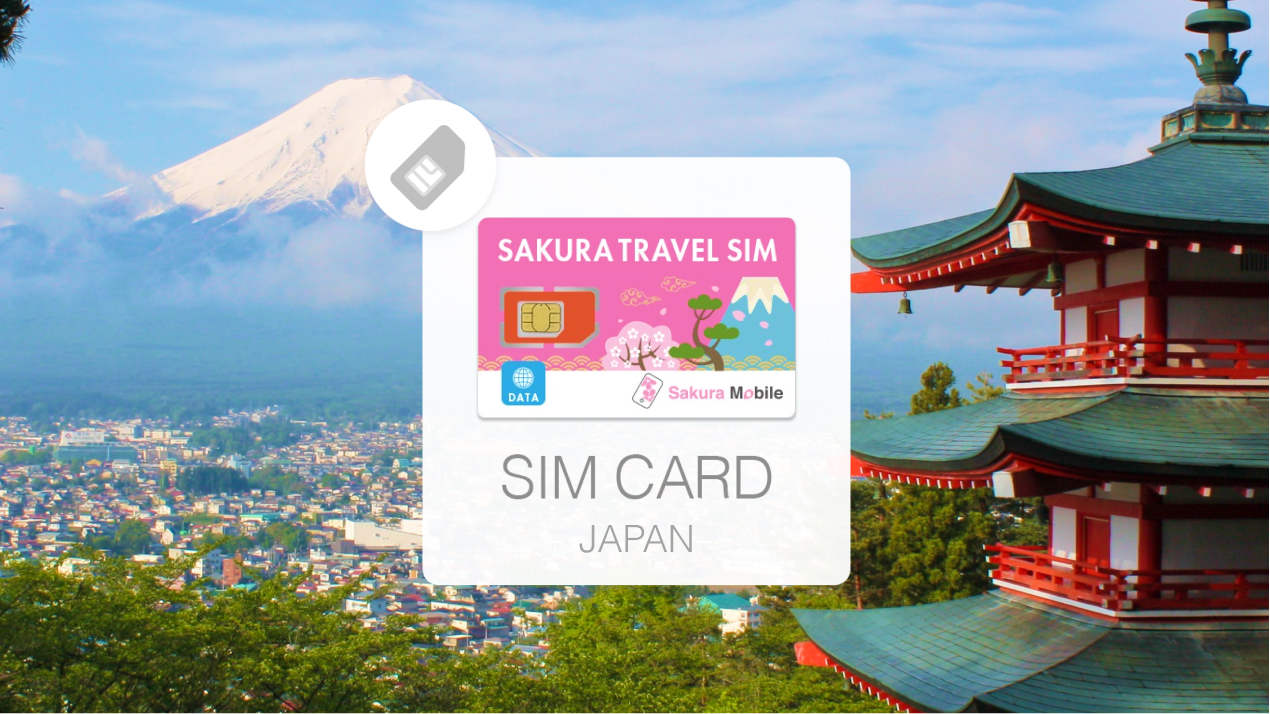
Tourist SIM cards are available at airports, electronics stores, and convenience stores across Japan.
| Provider | Data | Duration | Price (approx.) |
|---|---|---|---|
| IIJmio Tourist SIM | 15GB | 30 days | ¥3,300 |
| Sakura Mobile | 10GB | 30 days | ¥3,500 |
| b-mobile Tourist SIM | 21GB | 21 days | ¥3,960 |
| SoftBank Tourist SIM | Unlimited (throttled) | 30 days | ¥3,000 |
Explore Hokkaido Stress-Free
Private car hire with English-speaking driver
Your driver handles navigation — you just enjoy the view
Option 3: Pocket Wi-Fi
A pocket Wi-Fi (also called a mobile Wi-Fi router or MiFi) is a small device that creates a personal Wi-Fi hotspot. Multiple devices can connect simultaneously — ideal for families or groups travelling together.
Pocket Wi-Fi devices can be rented at New Chitose Airport (arrivals hall), or ordered online for delivery to your hotel. Return is via postbox or at the airport on departure.
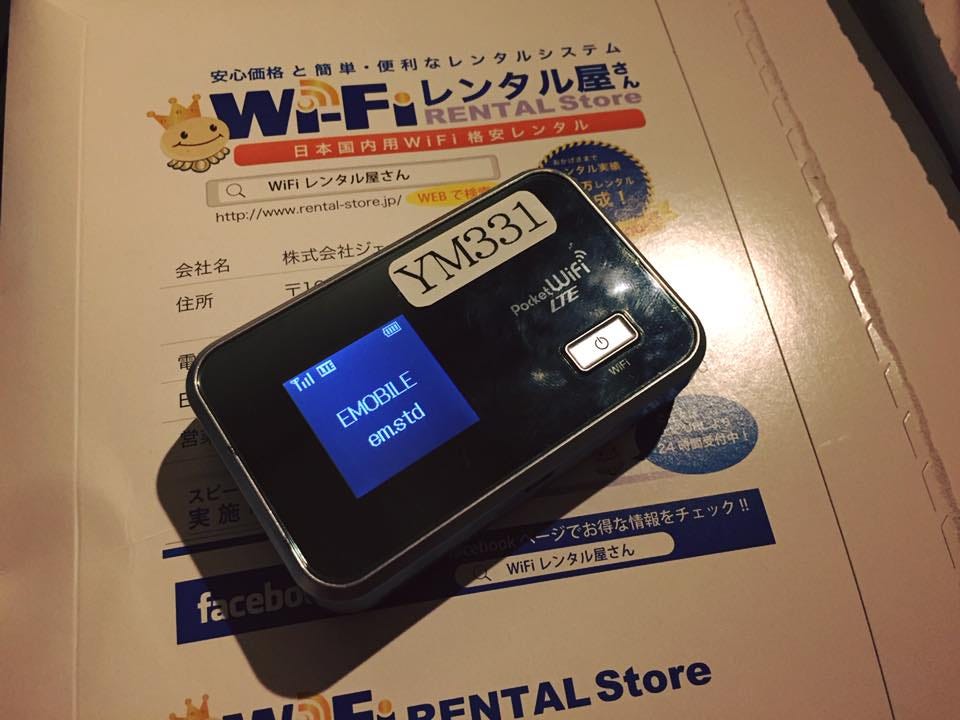
Pocket Wi-Fi devices allow multiple devices to share one data connection — ideal for groups and families.
| Provider | Daily Rate | Data | Connections |
|---|---|---|---|
| Japan Wireless | ¥660/day | Unlimited (throttled after 10GB) | Up to 10 devices |
| Wi-Ho! | ¥550/day | Unlimited (throttled after 3GB) | Up to 5 devices |
| Ninja WiFi | ¥660/day | Unlimited | Up to 10 devices |
| Global Advanced Comm. | ¥700/day | Unlimited | Up to 8 devices |
The main downside of pocket Wi-Fi is battery life — most devices last 8–10 hours and need recharging. Carry a power bank if you're out all day. Also, if you leave the device in the car while sightseeing, you lose connectivity on your phone.
Option 4: International Roaming
Both US and Australian carriers offer international roaming plans for Japan. These are the most convenient option (no setup required) but also the most expensive.
AT&T (USA)
International Day Pass: USD $10/day. Uses your existing US plan data.
T-Mobile (USA)
Magenta plans include free 2G data in Japan. High-speed day passes available.
Verizon (USA)
TravelPass: USD $10/day. Uses your existing plan allowance.
Telstra (Australia)
International Day Pass: AUD $10/day. Works in Japan.
Optus (Australia)
International roaming: AUD $10/day. Activate before departure.
Vodafone (Australia)
International Roaming: AUD $5/day on selected plans.
For a 10-day trip, international roaming costs USD $100 or AUD $100 — compared to USD $18–29 for an eSIM. Unless convenience is paramount, a dedicated Japan SIM or eSIM is significantly better value.
Coverage in Rural Hokkaido
Hokkaido is Japan's largest and most sparsely populated prefecture. Coverage in major cities and along main highways is excellent (4G LTE). However, some remote areas — particularly in the interior mountains, national parks, and very small villages — have limited or no signal.
For most tourist itineraries (Sapporo, Niseko, Otaru, Hakodate, Asahikawa, Biei, Furano), coverage is reliable on Docomo or SoftBank networks. If you're planning very remote hiking or camping, download offline maps (Google Maps, Maps.me) before you go.
Essential Apps to Download Before You Arrive
Google Maps (offline download)
Download the Hokkaido region for offline use. Invaluable for navigation, finding restaurants, and public transport directions.
Google Translate (offline Japanese)
Download the Japanese language pack for offline use. The camera feature translates menus and signs in real time.
Jorudan or HyperDia
Japan's best train and bus timetable apps. Essential for planning public transport journeys.
Tabelog or Google Maps
Restaurant discovery and reviews. Tabelog is Japan's equivalent of Yelp — very accurate for local restaurants.
LINE
Japan's dominant messaging app. Many local businesses, tour operators, and accommodation providers communicate via LINE.
Frequently Asked Questions
Can I buy a SIM card at New Chitose Airport?+
Yes. Several providers have counters in the arrivals hall at New Chitose Airport, including IIJmio, Sakura Mobile, and SoftBank. Pocket Wi-Fi rental counters are also available. This is the most convenient option if you haven't pre-arranged connectivity.
Do Japan SIM cards include phone calls?+
Most tourist SIM cards are data-only and do not include voice calls. You can make calls via apps like WhatsApp, FaceTime, or Skype using your data allowance. If you need to make local calls (e.g., to restaurants or hotels), use a calling app or ask your accommodation to assist.
Will my phone work in Japan?+
Most modern smartphones from the USA and Australia are compatible with Japanese networks. Japan uses 4G LTE on bands 1, 3, 8, 19, and 21. Check your device's supported bands if you're using an older phone. iPhones from the last 5 years and major Android flagships are all compatible.
Is there free Wi-Fi in Hokkaido?+
Free Wi-Fi is available at major train stations, airports, some convenience stores (7-Eleven, Lawson), and tourist information centres. However, coverage is patchy and speeds are inconsistent. Don't rely on free Wi-Fi as your primary connectivity solution.
What's the best option for a family of 4?+
A pocket Wi-Fi device is ideal for families — one device connects all phones, tablets, and laptops simultaneously. At ¥600–700/day, it's significantly cheaper than buying four individual SIM cards. Alternatively, one person buys a high-data SIM and creates a personal hotspot.
Ready to Explore Hokkaido?
Private Car Hire with English-Speaking Driver
Your driver handles navigation and local communication — you focus on the experience.
Related Articles