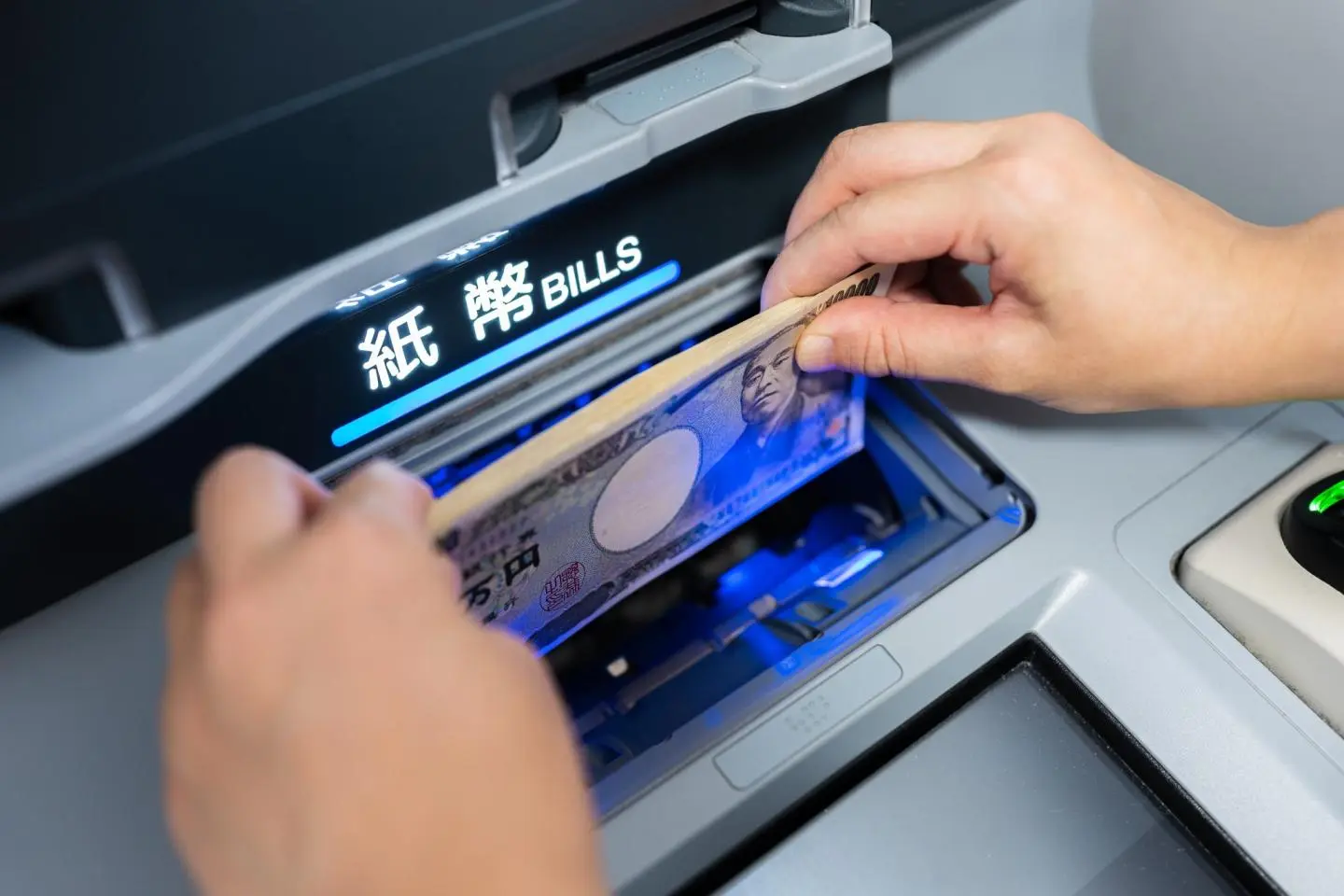
Japan’s payment landscape is modern and still highly practical for cash. A card may work at your hotel and larger restaurant, while a small market, rural café, local locker or casual food stop may be easier with yen.
The aim is not to predict every purchase. It is to arrive with a simple fallback: a working card, a cash buffer, and an ATM plan that does not interrupt a day of sightseeing.
Start with a simple money plan
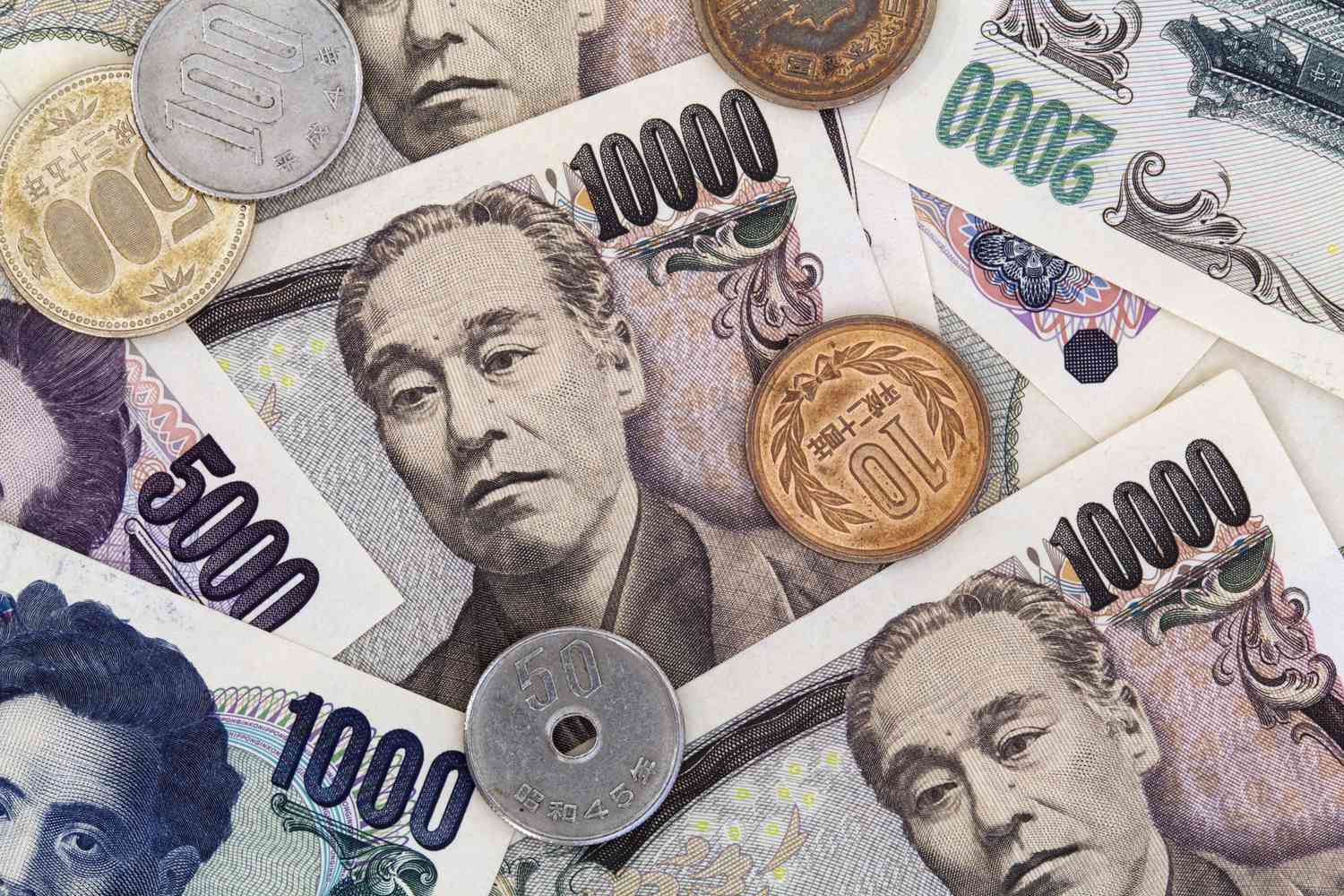
Japanese yen is the local currency. Treat your cash plan as a travel-logistics decision rather than a fixed rule: access needs change with the places you visit, your group size and whether you are spending your day in Sapporo or moving through smaller towns.
Before departure, check with your card issuer about overseas ATM access, withdrawal limits and fees. Carry at least one backup payment method separately from your main wallet.
| Situation | Practical approach | Why it helps |
|---|---|---|
| Arrival at New Chitose | Have a small yen buffer or a known ATM plan | You can handle immediate transport, snacks or a small purchase without searching |
| Sapporo day | Use card where accepted; keep cash available | You retain flexibility across shops and casual food stops |
| Rural sightseeing day | Withdraw before departing a major centre | ATM locations and card acceptance can be less convenient |
| Unexpected card issue | Use your separate backup card or planned cash | A simple fallback reduces pressure at the point of payment |
Where foreign cards can work at ATMs
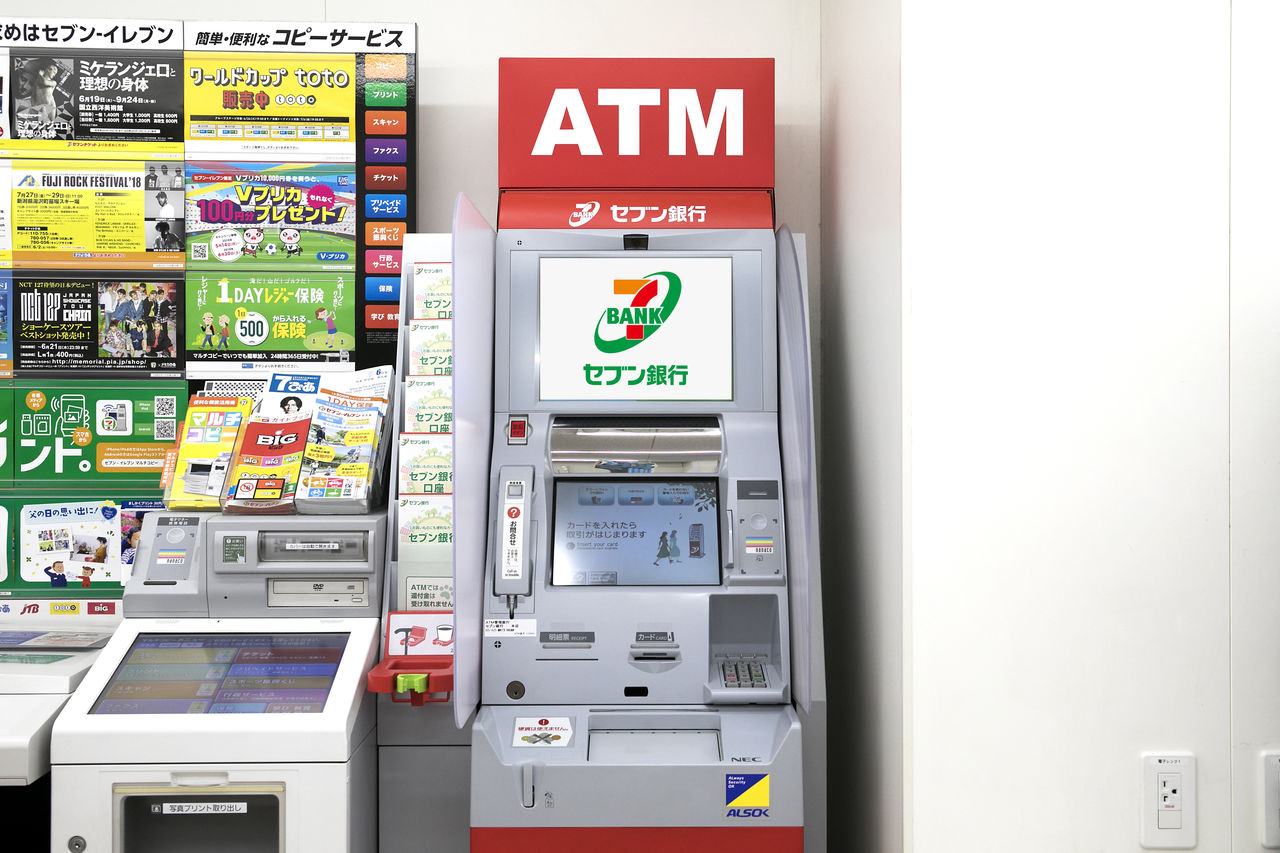
Seven Bank and Japan Post Bank both publish international ATM guidance. Card networks, fees and limits vary, and a network logo is not an absolute guarantee that every transaction will work. Read the screen carefully and contact your issuer if a transaction fails.
Seven Bank lists several overseas card networks and states a per-withdrawal limit of up to 100,000 yen for overseas cards. Japan Post Bank lists a 50,000-yen single-transaction limit for its international ATM service, with service conditions that may vary by card and location.
Sources: [1] Seven Bank: Overseas Cards Usable at ATMs · [2] Japan Post Bank: International ATM Service
Tipping: good service is already part of the price
For most traveller-facing services in Japan, do not add a tip. JNTO specifically notes that tipping is not common in restaurants, taxis, hotels, cafes and bars. Paying the stated amount with a straightforward thank-you is the normal, courteous approach.
In limited situations, such as a private guide or interpreter accustomed to international visitors, a discretionary gesture may be accepted. It is still optional, should be discreet, and is not something a traveller needs to budget as standard.
For your JapanMe charter, payment is by credit card in two stages: a reservation deposit before travel, followed by the remaining balance on the charter start date. Your confirmed quote states the applicable amount and timing.
Sources: [1] JNTO: Tipping in Japan
Keep travel days focused on travel, not transactions
On a private charter day, discuss planned meals, admissions and shopping stops with your driver at the beginning of the day. That makes it easier to include an ATM stop before a rural section of the route, without turning a scenic day into an urgent search for cash.
Do not treat this guide as financial advice. Exchange rates, ATM fees and card terms are set by providers and can change; use your bank’s current information before making a withdrawal or conversion decision.
Currency, ATMs and tipping FAQ
Should I carry cash in Hokkaido?
Yes. Cards are widely useful, but a cash buffer is practical for smaller shops, rural stops, markets, lockers and some transport situations. The amount depends on your itinerary and personal spending.
Where can I use an overseas card at an ATM?
Seven Bank and Japan Post Bank publish information about overseas card use. Availability, fees, limits and card acceptance vary, so carry a backup card and check your issuer before travel.
Do I need to tip in Japan?
Usually no. JNTO says tipping is not common in restaurants, taxis, hotels, bars or cafes. If you choose an exceptional discretionary gratuity for a private guide or interpreter, it should be discreet and is not expected.
Can I pay a private driver by cash?
JapanMe booking payments are handled by credit card in two stages: a reservation deposit before travel and the remaining balance on the charter start date. Your quote confirms the details.
References
Private Car Hire Across Hokkaido
Plan Hokkaido With Local Support
A private driver can make the practical parts of a Hokkaido day simpler: flexible food stops, rural transfers, luggage space and an itinerary that can adapt as you travel.
Related Articles