Hokkaido is not one food destination. It is a collection of very different dining experiences: Sapporo's late-night ramen and soup curry, Otaru's compact seafood markets, Furano's farm and dairy flavours, and Hakodate's morning seafood culture. The most satisfying trip does not chase a single “best restaurant.” It chooses the right food for the right city and leaves enough time to enjoy it.
This guide gives independent travellers a practical structure for a Hokkaido food itinerary. It explains what each stop is genuinely good for, how to pair meals with sightseeing, and when a flexible car-and-driver day makes a food route much easier to enjoy.
Why food tastes different in Hokkaido
Hokkaido's cold surrounding waters, dairy country, and broad agricultural areas shape its food. The Japan National Tourism Organization highlights seafood, Sapporo ramen, soup curry, jingisukan, and Hakodate ramen among the region's best-known specialties. Treat that list as a starting point rather than a checklist: season, venue, and travel rhythm matter as much as the dish itself.
The one-table Hokkaido food plan
| City | Eat this first | Best time of day | Pair it with |
|---|---|---|---|
| Sapporo | Miso ramen, soup curry, jingisukan | Lunch, dinner, or late evening | City sightseeing, museums, nightlife |
| Otaru | Sushi, seafood bowls, sweets | Morning or early lunch | Canal walk, glass shops, a day trip from Sapporo |
| Furano | Dairy, seasonal produce, local wine | Daytime and afternoon breaks | Flower fields, farm activities, Biei scenery |
| Hakodate | Seafood rice bowls, squid, salt-style ramen | Breakfast and early dinner | Morning market, historic district, night view |
Sapporo: the best all-round food base
Sapporo works because it has range. The city's official guide points travellers to ramen, sushi and seafood, jingisukan lamb barbecue, soup curry, markets, and the local ritual of finishing an evening with a parfait. Use Sapporo for the meals that benefit from variety and convenience, rather than trying to force every famous dish into one sitting.
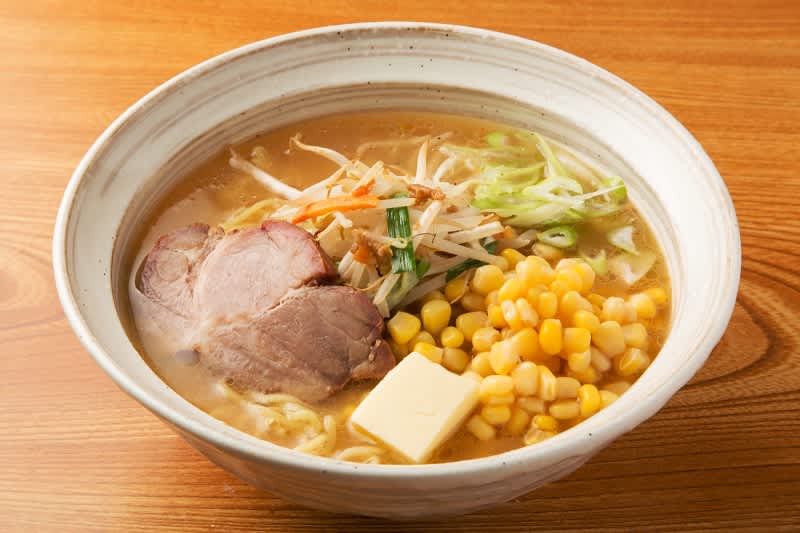
Miso ramen
A rich bowl is particularly satisfying after winter sightseeing. Look for balance, not just the heaviest broth.
Soup curry
A flexible option for mixed groups because ingredients and spice levels often vary by restaurant.
Jingisukan
A social lamb barbecue meal that works well for groups who want a shared dinner experience.
Otaru: make seafood the reason for the day trip
Otaru is close enough to Sapporo for a day trip, but it is worth arriving with a food plan. Go early for a market or sushi lunch, then use the afternoon for the canal area, small streets, and sweet shops. It is a more enjoyable rhythm than saving seafood until late in the day after the crowds have built.
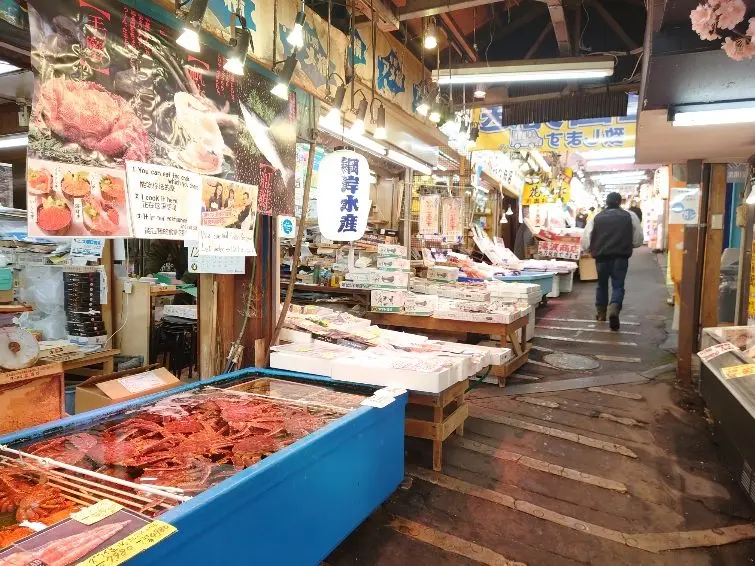
Furano: follow the farm, not a fixed menu
Furano is where the itinerary becomes seasonal. The Furano Tourism Association lists harvest experiences alongside cheese and ice-cream making, while the wider area is known for summer flower fields and agricultural landscapes. Here, a farm visit or dairy stop can be more memorable than a formal dinner reservation.
Keep this part of the trip flexible. Produce, opening days, and experiences vary with the season, so confirm details directly with the operator. A private driver is particularly helpful when you want to combine a farm, a viewpoint, and an unhurried lunch without depending on infrequent rural transport.
Hakodate: start with the morning market
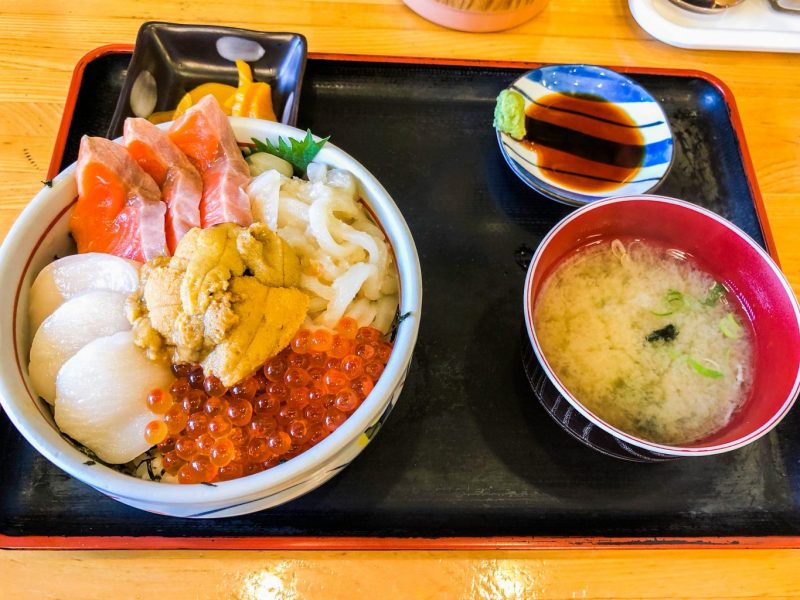
Hakodate is a natural finale for food-focused travellers. The city's official travel guide describes the station-front morning market as a place for seafood rice bowls, and identifies sushi, seafood, ramen, izakaya meals, and desserts among the city's dining strengths. Hakodate ramen is commonly lighter and salt-forward compared with Sapporo's miso style, making the two cities a useful tasting contrast.
A 5-day Hokkaido food route that does not feel rushed
| Day | Food focus | Suggested travel rhythm |
|---|---|---|
| 1 | Sapporo ramen or soup curry | Arrive, settle in, choose one easy local meal |
| 2 | Otaru seafood lunch and sweets | Travel early, eat before the busiest afternoon period |
| 3 | Furano dairy or seasonal farm experience | Pair food with a scenic drive and keep dinner simple |
| 4 | Hakodate market breakfast and ramen | Arrive or depart with a realistic transfer window |
| 5 | One return visit, souvenir, or final market | Leave space for flight or train connections |
Food allergies, reservations, and driving days
Do not rely on a translated menu alone for an allergy. As JNTO notes in its visitor etiquette guidance, restaurants can vary in how easily they accommodate modifications. Contact restaurants in advance, state the allergy clearly, and keep a written Japanese translation ready. For remote areas, plan meals before starting a long drive and never assume a late dinner option will be available.
Hokkaido food guide FAQ
What is the best city in Hokkaido for food?
Sapporo has the broadest choice and is the easiest base. Hakodate is especially strong for seafood breakfasts and ramen, while Furano and Otaru reward a more specific day-trip plan.
Should I book restaurants in Hokkaido?
Book well-known restaurants, ski-season dinners, and special occasions in advance. For markets and casual ramen, timing is usually more important than a reservation.
Is Hokkaido seafood available year-round?
Seafood is available year-round, but varieties and peak quality change by season. Ask what is local and in season rather than trying to chase a fixed list.
Can a private driver build a food itinerary?
Yes. A driver can make it easier to connect rural farm stops, viewpoints, and meals on the same day. Restaurant reservations and dietary requirements should still be confirmed directly in advance.
Private Car Hire Across Hokkaido
Travel at Your Family's Pace
Skip the timetable pressure, luggage transfers, and language barriers. JapanMe Hokkaido pairs your group with an English-speaking driver for airport transfers, day trips, and multi-day journeys.
Related Articles