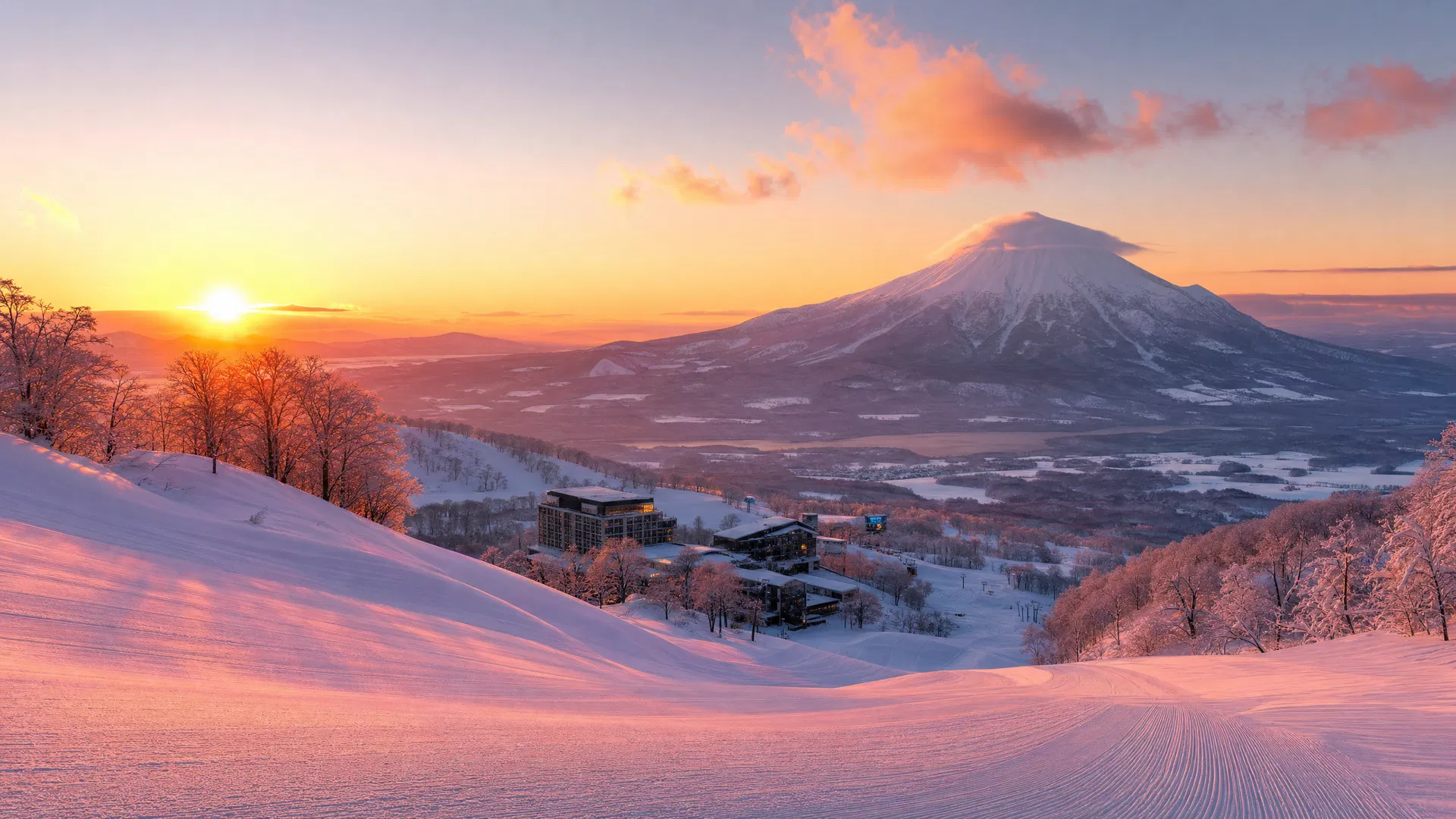
Hokkaido in winter is one of Japan's most extraordinary travel experiences. From late November through March, the island transforms into a vast white wilderness — powder snow blanketing rolling hills, frozen lakes shimmering under pale winter light, and steaming outdoor onsen surrounded by snow-laden trees.
For visitors from the USA and Australia, Hokkaido's winter offers something genuinely rare: world-class skiing, authentic Japanese culture, and landscapes that feel almost surreal in their beauty. This guide covers everything you need to know to plan a winter trip to Hokkaido — from the best time to visit, to how to get around safely when the roads are covered in ice.
When Does Winter Start in Hokkaido?
Hokkaido's winter season typically begins in late November, with the first significant snowfall arriving in Sapporo around late November or early December. By January, the entire island is blanketed in deep snow, and temperatures regularly drop to -10°C (14°F) or below in inland areas.
The peak winter season runs from late December through February, which coincides with the Sapporo Snow Festival (early February) and the best powder snow conditions at Niseko and other ski resorts. March sees the snow beginning to melt in coastal areas, though mountain resorts often remain open until late April.
| Month | Avg Temp (Sapporo) | Snow Conditions | Highlights |
|---|---|---|---|
| November | -1°C to 5°C | First snowfall | Early season skiing begins |
| December | -5°C to 0°C | Heavy snowfall | Christmas markets, ski season opens |
| January | -8°C to -2°C | Peak powder snow | Best skiing, winter landscapes |
| February | -7°C to -1°C | Excellent powder | Sapporo Snow Festival |
| March | -3°C to 4°C | Melting in lowlands | Late season skiing, fewer crowds |
Top Winter Destinations in Hokkaido
1. Niseko — The Powder Snow Capital of Asia
Niseko is internationally renowned for its exceptional powder snow — light, dry, and deep in a way that few ski resorts in the world can match. The resort receives an average of 15 metres of snowfall per season, much of it arriving as ultra-light Siberian powder that skiers and snowboarders travel from around the world to experience.
The Niseko United area comprises four interconnected resorts — Grand Hirafu, Hanazono, Niseko Village, and Annupuri — offering a combined 61 lifts and over 900 hectares of skiable terrain. The resort is also well-equipped for English-speaking visitors, with multilingual signage, English-speaking staff, and a wide range of international restaurants and bars.
2. Sapporo — City Life Meets Winter Wonderland
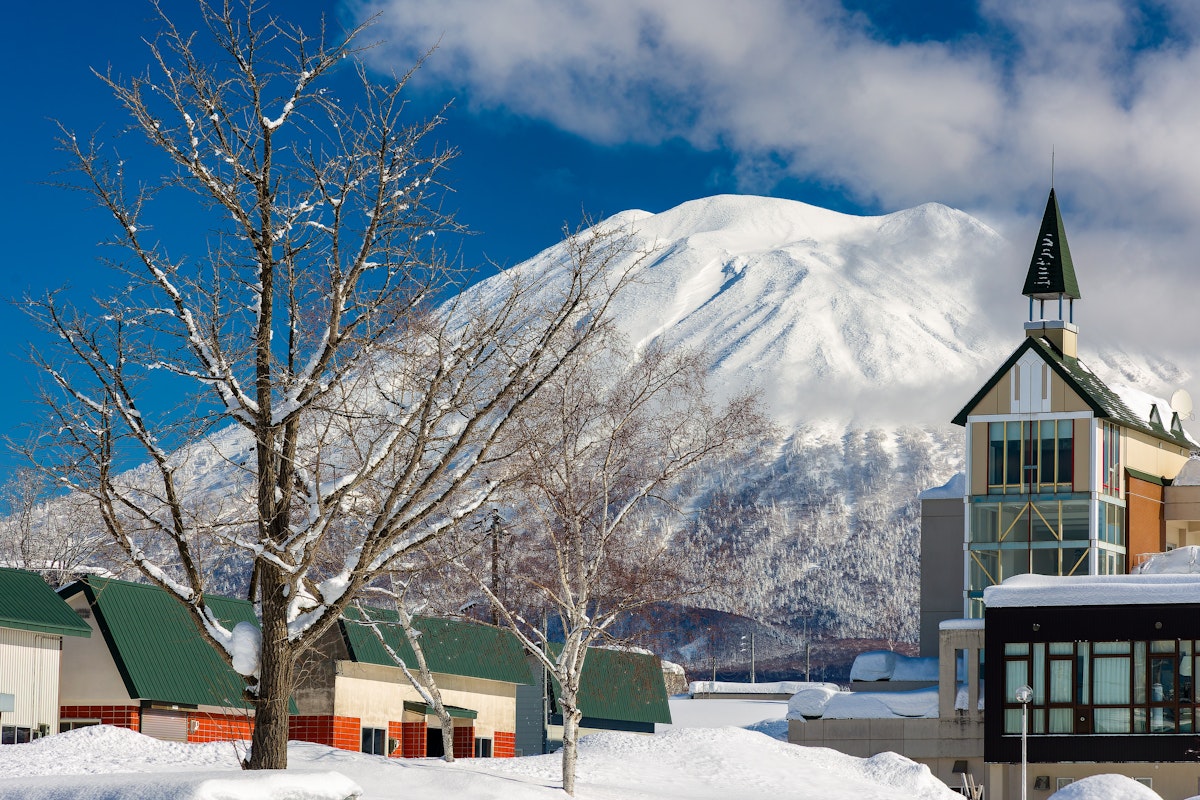
Hokkaido's capital city is a vibrant, modern metropolis that takes on a magical quality in winter. Sapporo is home to the world-famous Sapporo Snow Festival (held each February), which draws over two million visitors to see enormous snow and ice sculptures displayed across multiple venues in the city.
Beyond the festival, Sapporo offers excellent urban skiing at Teine and Moiwa ski resorts (both accessible within 30 minutes of the city centre), world-class ramen and seafood, and the atmospheric Odori Park blanketed in snow. The city's underground shopping network — known as the "Chika-Ho" — allows you to walk between major shopping areas without ever stepping outside in the cold.
3. Biei & Shirogane Blue Pond — Frozen Landscapes
In summer, Biei is famous for its rolling patchwork hills. In winter, it transforms into something even more dramatic. The Shirogane Blue Pond — normally a vivid turquoise — freezes over and is illuminated at night from late December through March, creating an otherworldly scene of glowing blue ice surrounded by snow-covered trees.
The surrounding Biei countryside, with its white fields, bare trees, and distant mountains, offers some of the most photogenic winter landscapes in Japan. This area is best explored with a private driver, as the rural roads can be treacherous in icy conditions.
4. Asahikawa — Gateway to Daisetsuzan
Asahikawa is Hokkaido's second-largest city and the gateway to the Daisetsuzan mountain range, which offers some of the island's most dramatic winter scenery. The Asahikawa Winter Festival (held in early February) features enormous ice sculptures and is one of Japan's largest winter festivals after Sapporo's.
Nearby, the Asahidake Ropeway provides access to Japan's earliest ski season — the resort typically opens in October and closes in May — with stunning views over the volcanic Daisetsuzan landscape.
Getting Around Hokkaido in Winter
This is one of the most important practical considerations for winter travel in Hokkaido. The island's road network is extensive, but winter driving conditions can be extremely challenging — even dangerous — for visitors who are not accustomed to driving on snow and ice.
Hokkaido roads in winter are frequently covered in black ice — a thin, nearly invisible layer of ice that forms when temperatures drop below freezing. Black ice is particularly dangerous because it looks like a wet road surface, giving drivers no warning before they lose traction. Even experienced drivers from cold-weather countries can be caught off guard by Hokkaido's winter road conditions.
For this reason, many international visitors choose to use a private car hire service with a professional local driver rather than renting a car themselves. A local driver knows the roads, understands the conditions, and can navigate safely even in heavy snowfall or icy conditions — allowing you to relax and enjoy the scenery rather than focusing on the road.
Winter Activities Beyond Skiing
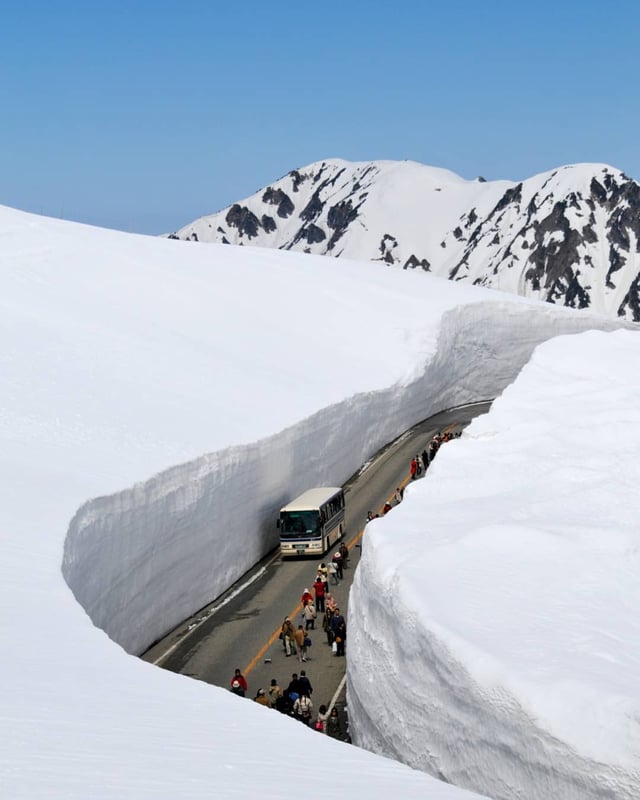
While skiing and snowboarding are the headline attractions, Hokkaido's winter offers a wealth of other experiences that are equally memorable.
Onsen (Hot Springs): Soaking in an outdoor hot spring (rotenburo) while surrounded by snow is one of Japan's most iconic winter experiences. Hokkaido has numerous excellent onsen towns, including Noboribetsu, Jozankei (near Sapporo), Toyako, and Niseko itself. The contrast between the steaming hot water and the freezing air is extraordinary.
Drift Ice in Abashiri: In late January and February, sea ice drifts down from the Sea of Okhotsk and packs against the coast of eastern Hokkaido near Abashiri. Icebreaker cruises allow visitors to sail through the drift ice, and the Okhotsk Drift Ice Museum offers a fascinating insight into this unique natural phenomenon.
Snow Shoeing & Winter Hiking: Many of Hokkaido's national parks offer guided snowshoe tours that take visitors through pristine winter forests and landscapes that are inaccessible in summer. Shiretoko National Park and Daisetsuzan are particularly spectacular in winter.
Ice Fishing: Lake Shikotsu, Lake Toya, and Lake Akan all offer ice fishing experiences in winter, where visitors can fish for smelt (wakasagi) through holes drilled in the ice — often from heated tents set up on the frozen lake surface.
What to Pack for a Hokkaido Winter Trip
Hokkaido winters are genuinely cold, and packing the right clothing is essential for a comfortable trip. Temperatures in January and February regularly drop to -10°C (14°F) or below, and wind chill can make it feel even colder.
| Category | Essentials |
|---|---|
| Outerwear | Waterproof ski jacket, insulated trousers, heavy winter coat |
| Layers | Thermal base layers (top & bottom), fleece mid-layer |
| Extremities | Waterproof gloves, warm hat, neck gaiter or scarf, wool socks |
| Footwear | Waterproof winter boots with non-slip soles (essential for icy pavements) |
| Accessories | Hand warmers, lip balm, sunscreen (snow reflects UV strongly) |
| Electronics | Portable charger (cold drains batteries quickly) |
Frequently Asked Questions
Is Hokkaido safe to visit in winter?
Yes, Hokkaido is very safe to visit in winter. The infrastructure for dealing with snow and cold is excellent — roads are cleared regularly, buildings are well-heated, and locals are accustomed to the conditions. The main safety consideration is road travel, which is why we recommend using a private driver rather than renting a car.
Do I need a visa to visit Japan from the USA or Australia?
US and Australian citizens can visit Japan visa-free for up to 90 days under the visa waiver program. No advance visa application is required — simply present your passport on arrival.
Is English widely spoken in Hokkaido in winter?
English is widely spoken in major tourist areas, particularly in Niseko (which has a large international community), Sapporo, and at major ski resorts. In rural areas and smaller towns, English can be limited, which is another reason why having an English-speaking driver is invaluable.
What is the best way to get from Sapporo to Niseko in winter?
The most comfortable and reliable option is a private car hire. The journey takes approximately 2 hours by car. Public buses are available but can be slow and infrequent in winter. A private transfer allows you to travel directly to your accommodation with your ski equipment, at any time of day.
Ready to Explore Hokkaido in Winter?
JapanMe Hokkaido provides fully private car hire with English-speaking drivers across all of Hokkaido — including transfers to Niseko, Biei, Asahikawa, and all major winter destinations.
Related Articles