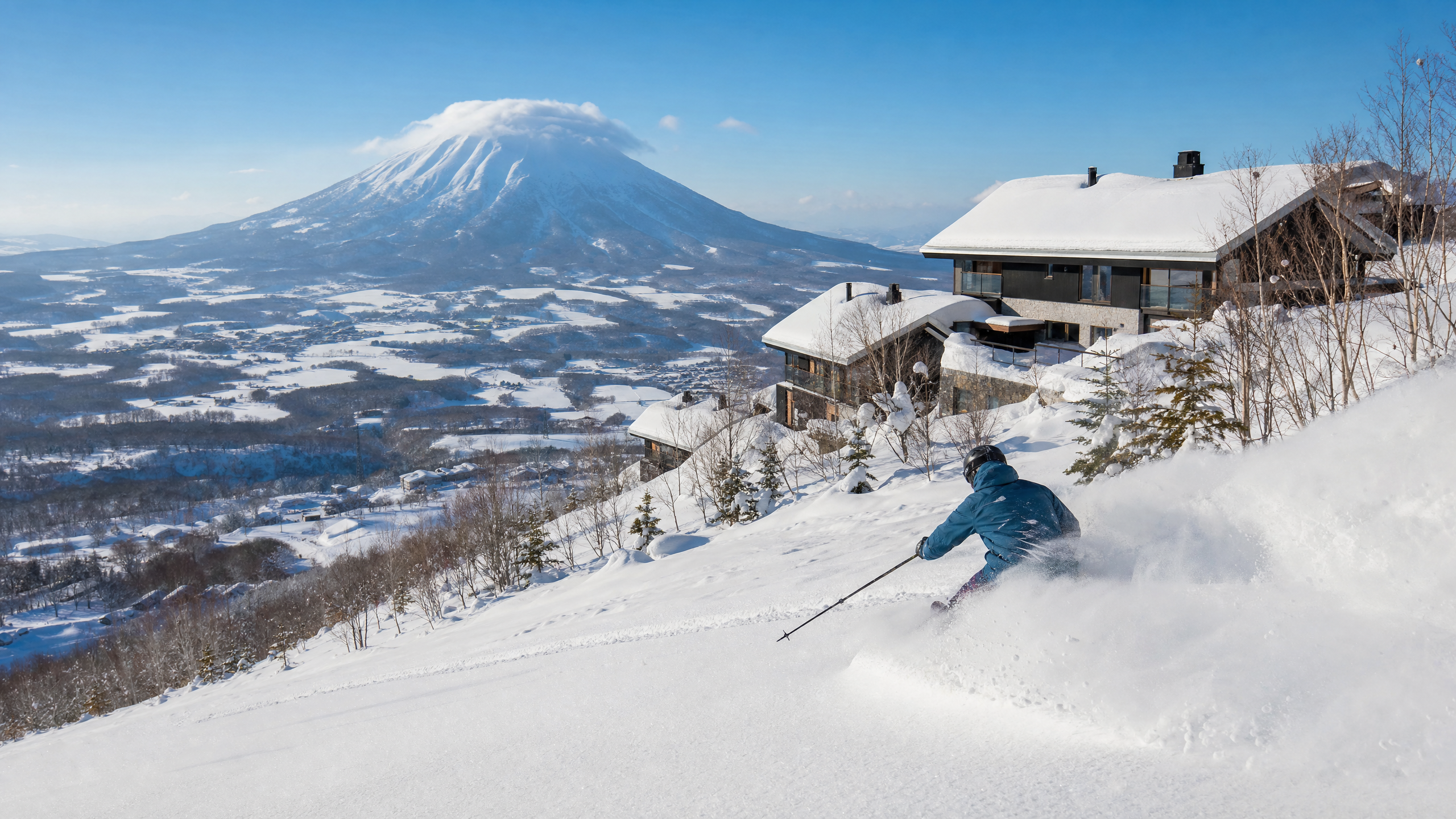
Niseko Powder Snow: What Makes It the Best Ski Resort in Asia
Ask any serious skier in Australia, the United States, or Canada about their dream powder destination, and Niseko will almost certainly come up. Nestled at the base of the iconic Mount Yotei in southwestern Hokkaido, Niseko has earned a global reputation for one simple reason: the snow is extraordinary.
Known internationally as "Japow" — a portmanteau of Japan and powder — Niseko receives an average of 15 metres of snowfall per season, much of it the ultra-light, ultra-dry powder that skiers travel thousands of kilometres to experience. But Niseko is far more than just snow. It is a fully developed international resort destination with world-class accommodation, English-speaking staff, excellent dining, and a vibrant après-ski culture that rivals any alpine resort in Europe or North America.
This guide covers everything you need to know before visiting Niseko — the snow science behind Japow, the four interconnected resort areas, how to get there from New Chitose Airport, and why a private car hire is the most comfortable and practical way to make the journey.
The Science Behind Japow: Why Niseko Snow Is Different
The secret to Niseko's legendary powder lies in geography and meteorology. Cold, dry air masses form over Siberia and travel across the Sea of Japan, picking up moisture as they go. When these air masses hit the mountains of Hokkaido — and specifically the volcanic peak of Mount Yotei at 1,898 metres — they are forced upward, cooling rapidly and depositing enormous quantities of snow.
Because the air has already lost much of its moisture over the sea, the snow that falls on Niseko is exceptionally dry and light — with a water content of just 5–8%, compared to 15–20% for typical Alpine snow. This is what gives Japow its legendary "floating" quality: skiers sink into it, yet it offers almost no resistance. Falling in Japow powder barely hurts. It is, by most accounts, the closest thing to skiing on clouds.
| Metric | Niseko | Alps (Europe) | Colorado (USA) |
|---|---|---|---|
| Annual Snowfall | ~15 metres | ~8–10 metres | ~10–12 metres |
| Snow Water Content | 5–8% | 15–20% | 8–12% |
| Season Length | Dec – Apr | Dec – Mar | Nov – Apr |
| Avg. Powder Days / Season | 100+ | 30–50 | 60–80 |
| Base Elevation | 300m | 1,000–1,500m | 2,500–3,000m |
The Four Resort Areas: Grand Hirafu, Hanazono, Niseko Village & Annupuri
Niseko United is the collective name for four interconnected ski resorts that share the slopes of Mount Niseko Annupuri. Together they offer 30 lifts, 61 runs, and over 900 hectares of skiable terrain — all accessible with a single Niseko United All Mountain Pass.
Grand Hirafu
The biggest and most internationally recognised area. Home to the famous Hirafu Village with its dense concentration of restaurants, bars, and accommodation. Best for first-time visitors and those who want a lively après-ski scene.
Hanazono
The quietest of the four areas and a favourite among powder hunters. Hanazono's north-facing slopes receive the most consistent powder and are often less tracked than Hirafu. Home to the famous Hanazono 308 — Niseko's highest lift.
Niseko Village
A more relaxed, family-oriented area anchored by the Park Hyatt Niseko Hanazono. Excellent beginner and intermediate terrain, a dedicated kids' ski school, and some of the best hotel ski-in/ski-out access on the mountain.
Annupuri
The least-visited of the four areas, popular with local Japanese skiers. Wider, gentler runs make it ideal for beginners and families. Annupuri also has excellent backcountry access for experienced off-piste skiers.
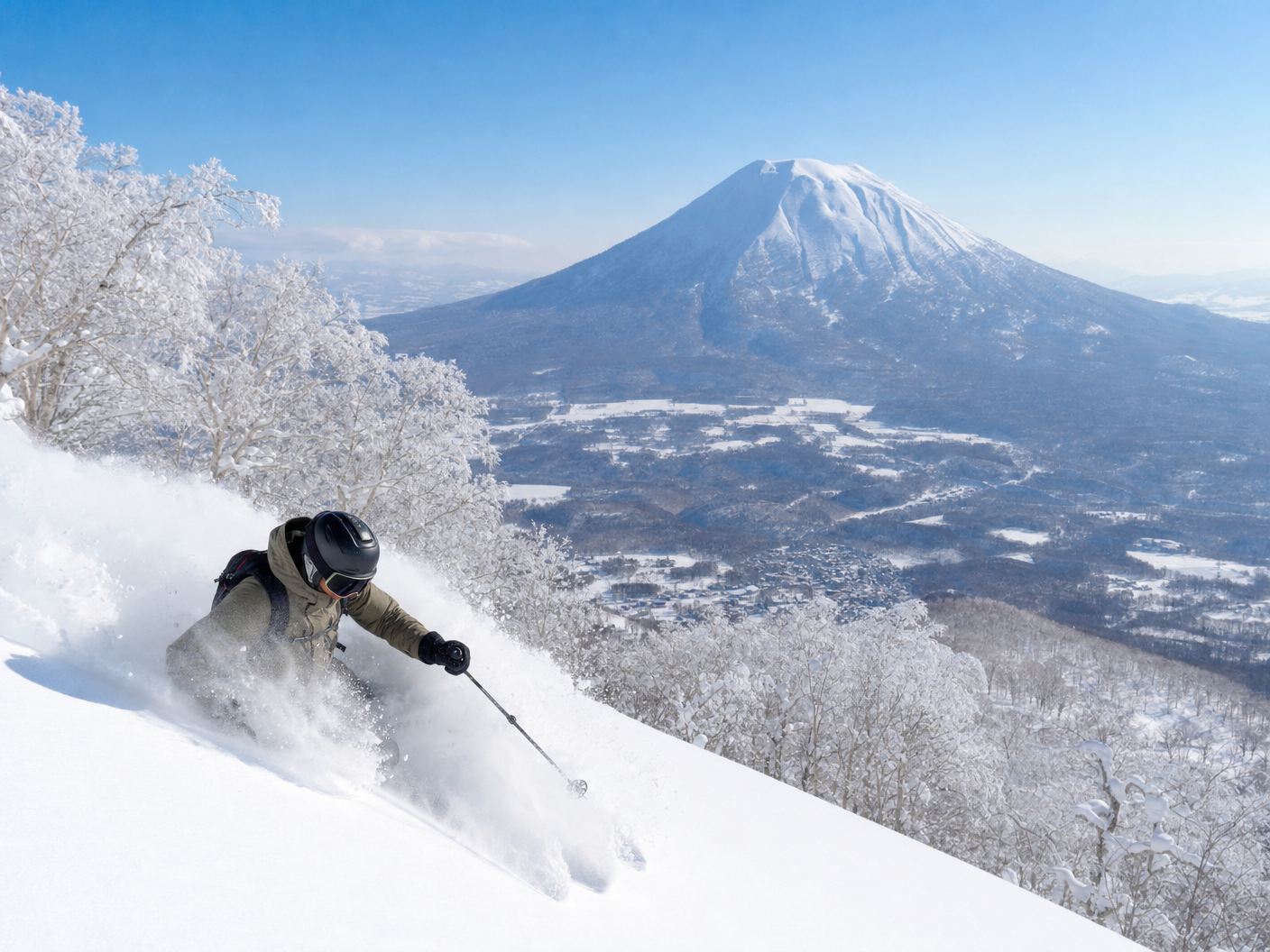
Deep powder skiing at Niseko — the hallmark of Japow
When to Visit: Peak Powder Season vs. Value Season
Niseko's ski season runs from late November to early May, but the quality of snow and the atmosphere on the mountain varies considerably across this period.
| Period | Snow Conditions | Crowds | Prices |
|---|---|---|---|
| Late Nov – Dec | Early season, variable base | Low | Moderate |
| January | Peak powder, excellent base | High | High |
| February | Peak powder, best conditions | Very High | Highest |
| March | Good snow, spring sunshine | Moderate | Moderate |
| April – May | Spring skiing, slushy lower runs | Low | Low |
For Australians and New Zealanders travelling during their summer holidays (December–January), Niseko is at or near its best. January is widely considered the prime month for powder, though it is also the most expensive and crowded. If you prefer quieter slopes and lower prices, late March offers excellent spring skiing conditions with significantly fewer crowds.
For visitors from the United States, February and March align well with school holidays and offer a good balance of powder conditions and manageable crowd levels compared to the January peak.
Getting to Niseko from New Chitose Airport
New Chitose Airport (CTS) is the main international gateway to Hokkaido and the starting point for most visitors heading to Niseko. The resort is approximately 130 kilometres southwest of the airport — about 2 hours by road in good conditions, though this can extend to 2.5–3 hours in heavy snowfall.
| Transport Option | Duration | Cost (per person) | Notes |
|---|---|---|---|
| Private Car Hire (JapanMe) | ~2 hrs | From $180 (shared) | Door-to-door, ski equipment friendly, English-speaking driver |
| Shared Shuttle Bus | 2.5–3 hrs | $40–60 | Fixed schedule, multiple stops, limited luggage |
| Train + Bus | 3–4 hrs | $25–35 | JR to Niseko Station, then bus. Difficult with ski gear |
| Rental Car | 2–2.5 hrs | $80–150/day + fuel | International licence required, winter driving experience essential |
Travel in Comfort with All Your Ski Gear
JapanMe Hokkaido provides private car hire with English-speaking drivers from New Chitose Airport directly to your Niseko accommodation. Ample space for ski bags, boots, and luggage — no shuttle stops, no schedule constraints.
Beyond Skiing: What Else to Do in Niseko
Niseko is not exclusively a ski destination. Even non-skiers find plenty to enjoy, and the resort has developed a rich off-slope culture that makes it one of the most complete winter destinations in Asia.
Onsen (Hot Springs)
Hokkaido is volcanic, and Niseko sits atop a network of natural hot springs. After a day on the slopes, soaking in an outdoor rotenburo (open-air bath) with snow falling around you is one of the quintessential Japanese winter experiences. The Niseko area has numerous public onsen and hotel facilities open to day visitors.
Snowshoeing & Winter Hiking
The forests around Niseko are spectacular in winter. Guided snowshoe tours take you through snow-laden trees and across frozen rivers, with Mount Yotei providing a dramatic backdrop. No skiing experience required.
Snowmobiling
Guided snowmobile tours are available for all experience levels and are particularly popular with families and groups. Tours typically run through forest trails and open fields with views of the mountain.
Hirafu Village Dining & Nightlife
Hirafu Village has transformed into one of Asia's most cosmopolitan ski villages. Dozens of restaurants serve everything from traditional Japanese izakaya food to Australian-style brunch, craft beer, and fine dining. The après-ski scene runs from late afternoon well into the night.
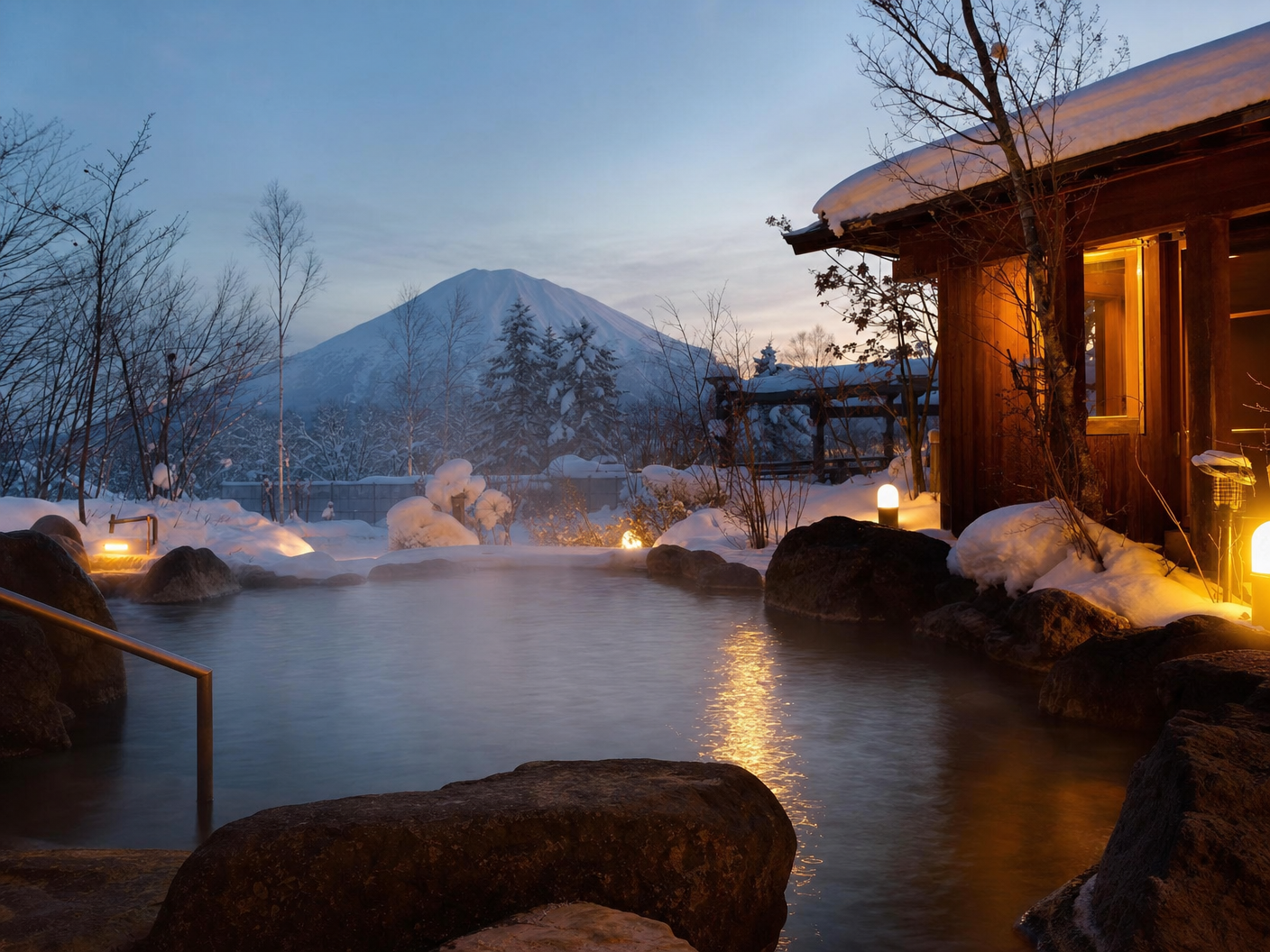
Outdoor onsen at Niseko — the perfect end to a day on the slopes
Practical Tips for International Visitors
Do I need to speak Japanese?
Niseko is one of the most English-friendly destinations in Japan. Most accommodation, ski schools, restaurants, and shops in Hirafu Village operate in English. That said, venturing beyond the main resort areas may require some basic Japanese or a translation app.
What ski equipment can I rent?
Full ski and snowboard equipment rental is available throughout Hirafu Village, with many shops offering high-end demo equipment. Prices range from ¥5,000–¥15,000 per day depending on equipment quality. Booking in advance during peak season (January–February) is strongly recommended.
Is Niseko suitable for beginners?
Yes. All four resort areas have dedicated beginner zones with gentle slopes and ski schools offering lessons in English. Niseko Village and Annupuri are particularly well-suited to first-time skiers.
What about ski passes?
The Niseko United All Mountain Pass provides access to all four resorts and is the best value for most visitors. Day passes and multi-day passes are available. Prices vary by season — expect to pay ¥7,000–¥10,000 per day during peak season.
Is it safe to drive to Niseko in winter?
The roads between New Chitose Airport and Niseko are regularly maintained and gritted, but winter driving in Hokkaido requires experience with snow and ice. International visitors unfamiliar with winter driving conditions are strongly advised to use a private transfer service rather than renting a car.
Ready to Experience Japow?
JapanMe Hokkaido provides private car hire with English-speaking drivers from New Chitose Airport directly to Niseko. Travel in comfort with all your ski equipment, on your schedule — no shared shuttles, no fixed departure times.
Related Articles