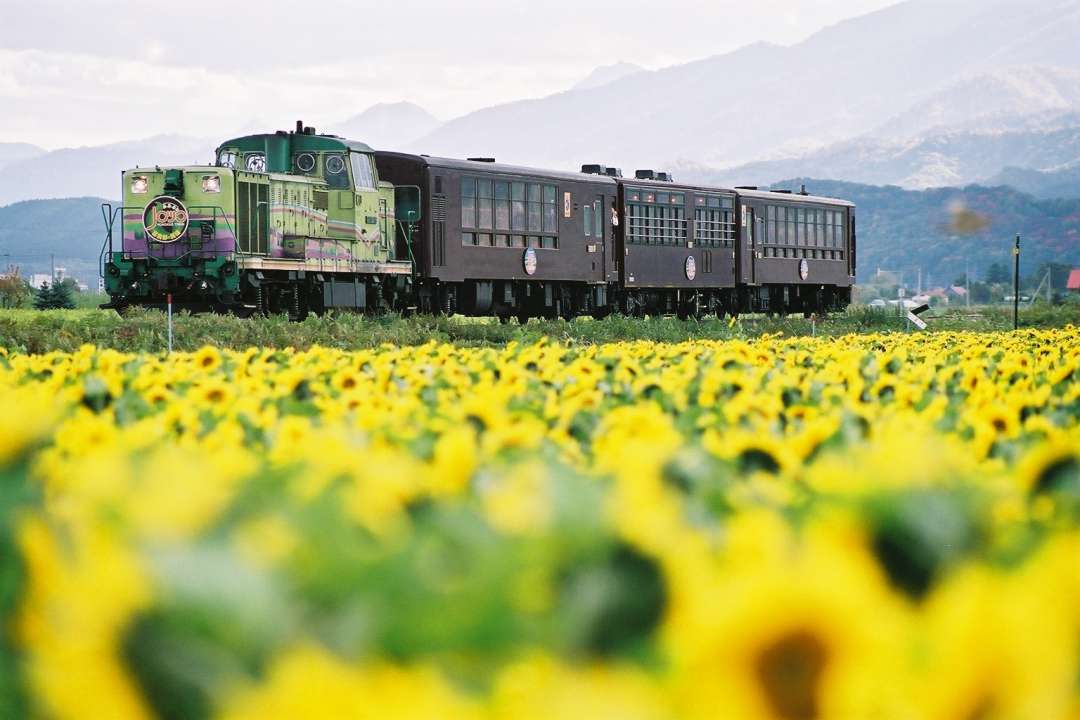
The Japan Rail Pass is one of the most discussed topics in Japan travel planning — and one of the most misunderstood. For visitors to Hokkaido specifically, the question of whether a JR Pass is worth buying is more nuanced than most guides suggest.
This guide explains the different pass options, how to calculate whether they're worth it for your trip, and when a private car hire is a more practical and cost-effective alternative.
The Two Main Pass Options for Hokkaido
| Pass | Duration | Price (approx.) | Coverage |
|---|---|---|---|
| Japan Rail Pass (7-day) | 7 days | ~$340 USD | All JR trains nationwide including Shinkansen |
| Japan Rail Pass (14-day) | 14 days | ~$545 USD | All JR trains nationwide |
| Hokkaido Rail Pass (5-day) | 5 days | ~$140 USD | All JR Hokkaido trains only |
| Hokkaido Rail Pass (7-day) | 7 days | ~$175 USD | All JR Hokkaido trains only |
The nationwide Japan Rail Pass makes sense if you're combining Hokkaido with other parts of Japan — for example, flying into Tokyo, taking the Shinkansen north, and then exploring Hokkaido before flying home. The Hokkaido Rail Pass is the better value if you're flying directly into New Chitose Airport and staying in Hokkaido for your entire trip.
How to Buy a JR Pass
The Japan Rail Pass must be purchased before you arrive in Japan — it is not available for purchase inside the country (with very limited exceptions). You can buy it through authorised travel agents in the USA and Australia, or through the official JR Pass online portal.
You'll receive a voucher, which you exchange for the actual pass at a JR exchange office at major Japanese airports and stations. New Chitose Airport has a JR exchange office in the arrivals area.
Important: Eligibility requirements
The Japan Rail Pass is available to foreign nationals visiting Japan on a tourist visa. You must show your passport when purchasing and using the pass. Permanent residents of Japan are not eligible.
What the JR Pass Covers in Hokkaido
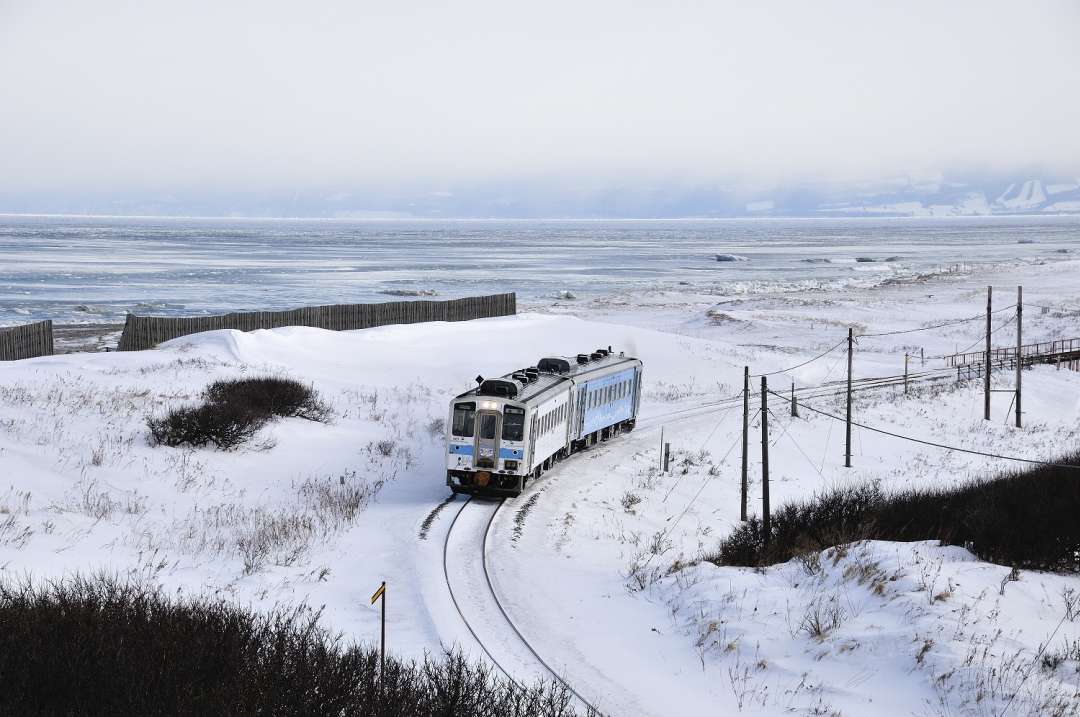
JR Hokkaido operates trains across the island, though coverage is limited in rural areas
The JR Pass covers the following key routes in Hokkaido:
- →New Chitose Airport ↔ Sapporo (JR Rapid Airport, 37 min)
- →Sapporo ↔ Otaru (JR Hakodate Main Line, 33 min)
- →Sapporo ↔ Asahikawa (JR Kamikawa Line, 80 min by limited express)
- →Sapporo ↔ Hakodate (JR Hokkaido, 3.5–4 hours by limited express)
- →Asahikawa ↔ Furano (JR Furano Line, 1 hour)
However, there are significant gaps. The JR Pass does not cover buses, the Sapporo subway, or private railways. Critically, there is no direct train service to Niseko from Sapporo — you need to change at Otaru, and the journey takes over 2 hours. Biei and Furano are reachable by train from Asahikawa, but the stations are not within walking distance of the main attractions.
When the JR Pass Is Worth It
The JR Pass makes the most sense if your itinerary is primarily city-to-city and you're comfortable navigating train stations with luggage. The Sapporo–Hakodate route, for example, is well-served by limited express trains and the pass pays for itself quickly on this route alone.
If you're travelling solo or as a couple, don't have heavy luggage, and are happy to use local transport within each destination, the JR Pass can be excellent value.
When Private Car Hire Is the Better Option
JapanMe Private Car Hire
Where Trains Can't Take You
Biei's Patchwork Road, the Blue Pond, Niseko's ski slopes, and Daisetsuzan's interior are all beyond the reach of convenient train service. A private car hire fills the gaps — and for families or groups, it's often more cost-effective than multiple rail tickets.
Private car hire is the better option in the following situations:
Travelling with family or a group
When you split the cost of a private car between 3–6 people, it often works out cheaper than individual JR tickets — with the added benefit of door-to-door service.
Carrying ski equipment or large luggage
Ski bags and large suitcases are difficult to manage on trains, particularly during peak season when trains are crowded.
Visiting rural attractions
Biei, Furano, Niseko, and Daisetsuzan are all poorly served by public transport. A private car is the only practical way to visit multiple attractions in a day.
Winter travel
Hokkaido's winter roads require local knowledge. A professional driver who knows the conditions is a genuine safety advantage.
Arriving late at night
Train services to rural areas stop early. A private transfer ensures you reach your accommodation regardless of arrival time.
The Hybrid Approach
Many visitors find the best solution is a combination: use the JR Pass for long-distance city-to-city travel (Sapporo to Hakodate, for example), and book a private car hire for day trips and rural exploration (Biei, Furano, Niseko).
JapanMe offers both half-day and full-day private car hire options, so you can book exactly the coverage you need without committing to a multi-day package.