Sapporo Snow Festival:
A Complete Visitor Guide
10 min read · Updated June 2026
Every February, Sapporo transforms into one of the world's most spectacular winter spectacles. The Sapporo Snow Festival (Sapporo Yuki Matsuri) — held annually since 1950 — draws over two million visitors from around the globe to witness enormous snow and ice sculptures illuminated against the Hokkaido night sky.
For travellers from the USA and Australia, it represents a bucket-list winter experience unlike anything in the Southern Hemisphere or North America. This guide covers everything you need to know: when to go, what to expect, how to get there, and how to make the most of your visit.
Quick Facts
What Is the Sapporo Snow Festival?
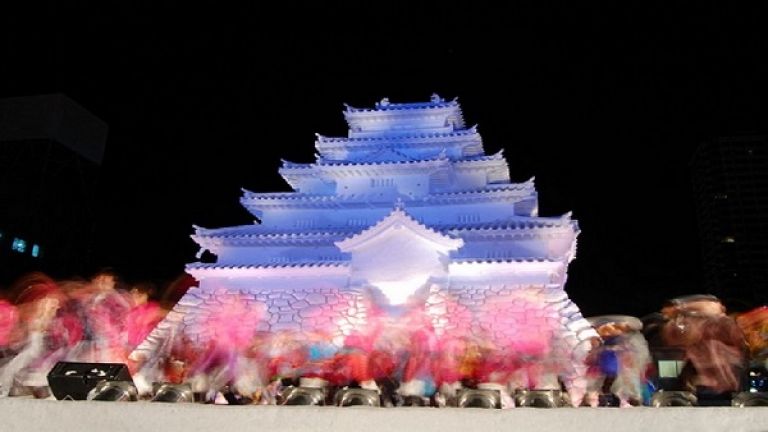
The festival began in 1950 when local high school students built six snow sculptures in Odori Park. Today it has grown into a world-renowned event featuring over 200 snow and ice sculptures, some reaching heights of 15 metres and spanning entire city blocks.
The sculptures range from intricate miniature carvings to massive reproductions of famous world landmarks — past years have featured the Taj Mahal, Notre-Dame Cathedral, and scenes from popular anime. International sculpture teams compete alongside Japanese artists, making the festival a truly global celebration of winter art.
The Three Venues
Odori Park (大通公園)
Must-see · Free entryThe main venue stretching 1.5km through central Sapporo. Home to the largest snow sculptures and the most impressive illuminations. This is where you'll find the iconic large-scale reproductions and the international competition entries. Easily walkable from Odori subway station.
Susukino (すすきの)
Ice sculptures · NightlifeSapporo's entertainment district hosts the Ice Sculpture Showcase — hundreds of intricate ice carvings lining the streets. The combination of neon lights reflecting off polished ice creates a uniquely atmospheric experience. Best visited after dark.
Tsudome (つどーむ)
Family-friendly · ¥100 entryLocated slightly outside the city centre, Tsudome is the family-friendly venue featuring snow slides, snow rafting, and interactive snow activities. Perfect for families travelling with children. Shuttle buses run from Odori Park.
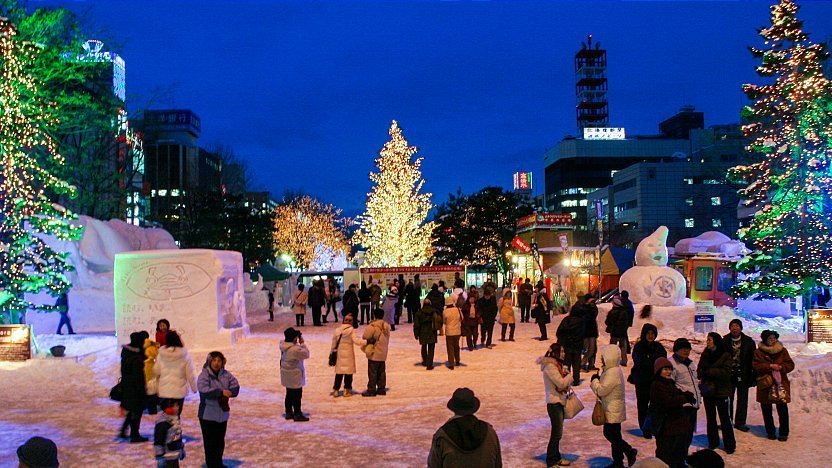
Odori Park transforms into a magical winter wonderland after dark during the Snow Festival.
When to Visit: Timing Your Trip
The festival typically runs for 7 days in early-to-mid February. The exact dates change slightly each year, so check the official website before booking. For 2026, the festival ran from February 4–11.
| Timing | Pros | Cons |
|---|---|---|
| Opening weekend | Fresh sculptures, opening ceremony | Largest crowds, highest hotel prices |
| Weekdays (mid-festival) | Smaller crowds, easier photos | Some events only on weekends |
| Final days | Discounted hotels, quieter | Sculptures may show wear/melting |
| Evening (any day) | Best illuminations, magical atmosphere | Colder temperatures (−5 to −15°C) |
Getting to Sapporo for the Festival
From the USA and Australia, the most common route is to fly into Tokyo (Narita or Haneda) and connect to New Chitose Airport (CTS) — the main airport serving Sapporo. Direct flights from Sydney, Melbourne, and Los Angeles to New Chitose are also available seasonally.
From New Chitose Airport, you can reach central Sapporo in approximately 40 minutes by JR Airport Express (¥1,150) or in 50–60 minutes by private car. During the festival period, trains can be extremely crowded with luggage — a private transfer is particularly recommended if you're arriving with ski equipment or large bags.
Private Airport Transfer
Arrive stress-free for the Snow Festival
Door-to-door from New Chitose Airport to your Sapporo hotel
What to Wear: Dressing for Sapporo in February
February in Sapporo is seriously cold. Daytime temperatures typically range from −5°C to −8°C (23–18°F), and evenings can drop to −10°C to −15°C (14–5°F). Wind chill makes it feel even colder. This is not the place for a light jacket.
Base Layer
Thermal underwear (merino wool or synthetic), thermal socks
Mid Layer
Fleece or down jacket, thermal leggings
Outer Layer
Waterproof ski jacket and pants, insulated boots
Accessories
Balaclava or neck gaiter, insulated gloves, hand warmers (kairo)
Hand warmers (カイロ, kairo) are available at every convenience store in Japan for around ¥100–200 for a pack of 10. They slip inside gloves or pockets and last 8–12 hours — an essential purchase for festival evenings.
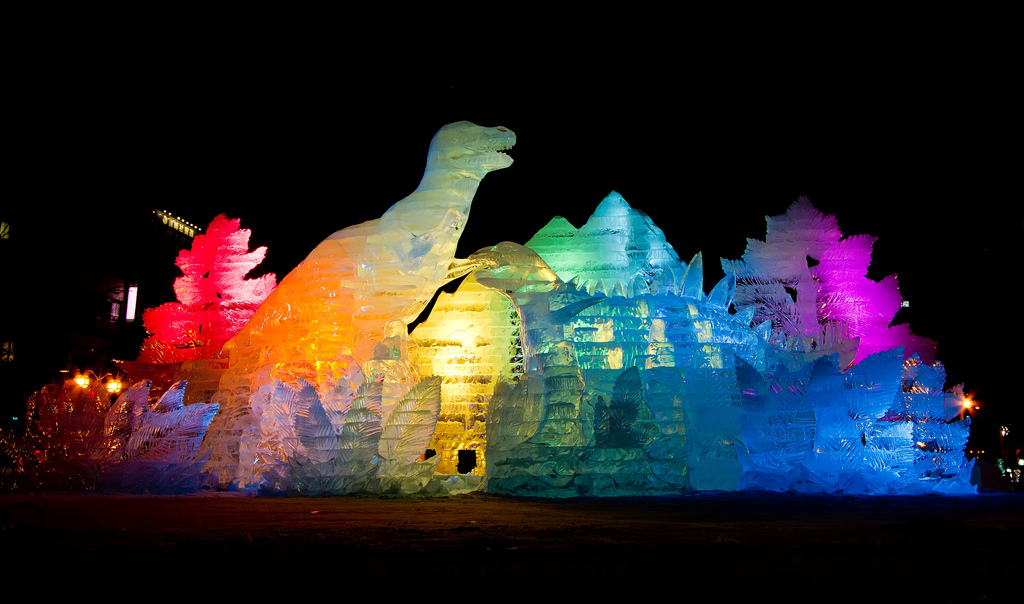
The Susukino venue features hundreds of illuminated ice sculptures lining the entertainment district streets.
Beyond the Festival: Combining with a Hokkaido Road Trip
The Snow Festival typically runs for 7 days, but most visitors stay longer to explore the rest of Hokkaido. February is peak ski season, making it the perfect time to combine the festival with a ski trip to Niseko, Rusutsu, or Furano.
A popular itinerary for USA and Australian visitors is: 2 days in Sapporo (Snow Festival) → 3–4 days skiing in Niseko → 1 day in Otaru. This covers the festival highlights, world-class powder skiing, and Hokkaido's most picturesque canal town.
Sample 7-Day February Itinerary
Practical Tips for International Visitors
Book accommodation 6–12 months in advance
Hotels in central Sapporo sell out extremely quickly for festival dates. Budget options disappear first; luxury hotels may still have availability closer to the date but at premium prices.
Carry cash
While card acceptance is improving, many food stalls and smaller vendors at the festival are cash-only. Withdraw yen at 7-Eleven or Japan Post ATMs, which reliably accept foreign cards.
Download the Sapporo Snow Festival app
The official app (available in English) provides real-time maps, sculpture information, and event schedules. An essential tool for navigating all three venues.
Allow 3–4 hours per venue
Rushing through the festival is a mistake. Each venue deserves at least 2–3 hours, especially in the evening when illuminations are at their best.
Try the festival food
Hokkaido's famous seafood, corn, dairy products, and soup curry are all well-represented at festival food stalls. Genghis Khan (grilled lamb) is a local speciality worth trying.
Frequently Asked Questions
Is the Sapporo Snow Festival free?+
The main venues — Odori Park and Susukino — are completely free to visit. The Tsudome venue charges a small entry fee of ¥100 per person.
How far is the Snow Festival from New Chitose Airport?+
New Chitose Airport is approximately 40 minutes from central Sapporo by JR Airport Express train, or 50–60 minutes by private car. Odori Park (the main venue) is a short walk from Odori subway station.
Can I visit the Snow Festival with young children?+
Absolutely. The Tsudome venue is specifically designed for families with children, featuring snow slides, snow rafting, and interactive activities. Odori Park is also stroller-friendly.
What's the best time of day to visit?+
Evening, without question. The illuminations begin at dusk (around 5pm) and run until 10pm. The sculptures are dramatically lit and the atmosphere is magical. Daytime visits are good for photography in natural light.
Is a private car the best way to get around during the festival?+
For airport transfers and day trips to Niseko or Otaru, a private car is significantly more comfortable than public transport, especially during the busy festival period. For moving between the three festival venues within Sapporo, walking and the subway are most practical.
Plan Your Snow Festival Trip
Private Car Hire Across Hokkaido
Airport transfers, day trips to Niseko, and multi-day tours — all with an English-speaking driver who knows Hokkaido.
Related Articles