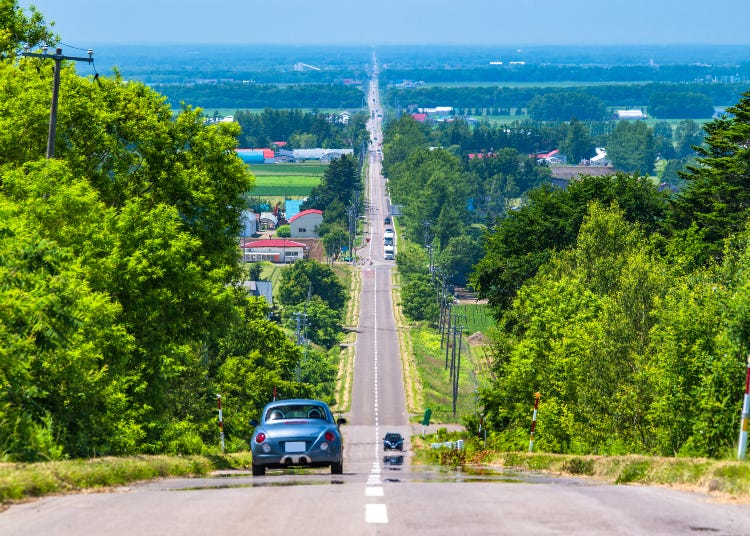
Seven days is the sweet spot for exploring Hokkaido. It's long enough to move beyond Sapporo and experience the island's extraordinary variety — from the historic port of Otaru to the powder slopes of Niseko, the patchwork hills of Biei, and the dramatic night view of Hakodate.
This itinerary is designed for visitors arriving from the USA or Australia who want to see the best of Hokkaido without feeling rushed. It works in all seasons, with notes on what changes depending on when you travel.
The 7-Day Route at a Glance
| Day | Location | Highlights |
|---|---|---|
| Day 1 | Sapporo | Arrival, Susukino, Odori Park |
| Day 2 | Sapporo → Otaru | Otaru Canal, glassware, seafood |
| Day 3 | Otaru → Niseko | Mt Yotei, onsen, ski/hiking |
| Day 4 | Niseko → Asahikawa | Daisetsuzan, ramen, Asahiyama Zoo |
| Day 5 | Asahikawa → Biei → Furano | Patchwork Road, Blue Pond, lavender |
| Day 6 | Furano → Hakodate | Scenic drive south, Goryokaku |
| Day 7 | Hakodate | Morning market, Mt Hakodate night view, departure |
Day 1: Sapporo — Settle In and Explore
After arriving at New Chitose Airport, take the 37-minute JR Rapid Airport train or arrange a private transfer to your hotel in Sapporo. Your first afternoon is best spent gently — jet lag from the USA or Australia is real, and Hokkaido rewards those who pace themselves.
Odori Park is a natural starting point: a long green corridor running through the city centre, flanked by the famous TV Tower. In the evening, head to Susukino — Sapporo's entertainment district — for Hokkaido's celebrated seafood and ramen.
Day 2: Sapporo to Otaru
Otaru is just 40 minutes from Sapporo by train or private car, making it an ideal first day trip. The historic canal district is the centrepiece — lined with 19th-century stone warehouses now converted into restaurants, cafés, and glassware shops.
Otaru is famous for two things beyond its canal: fresh seafood (the sushi here rivals anywhere in Japan) and handmade glassware. Allow at least half a day to wander the Sakaimachi shopping street and the canal area before returning to Sapporo for the night.
Day 3: Otaru to Niseko
The drive from Otaru to Niseko takes around 90 minutes and is one of Hokkaido's most scenic routes, with Mt Yotei — Hokkaido's "Mt Fuji" — appearing on the horizon as you approach the Niseko area.
In winter, Niseko is world-famous for its powder snow and is particularly popular with Australian skiers. In summer and autumn, the area offers hiking, cycling, and some of Hokkaido's best onsen (hot spring) experiences. The Niseko area has a wide range of accommodation, from budget guesthouses to luxury ski lodges.
Day 4: Niseko to Asahikawa
Day 4 involves the longest drive of the itinerary — approximately 3.5 hours from Niseko to Asahikawa. This is where a private car hire earns its keep: the route passes through Daisetsuzan National Park, Japan's largest national park, with dramatic mountain scenery that no bus route covers adequately.
Asahikawa is Hokkaido's second city and is known for its ramen (a richer, soy-based style distinct from Sapporo's miso ramen) and the Asahiyama Zoo, which has become one of Japan's most visited zoos thanks to its innovative animal enclosures.
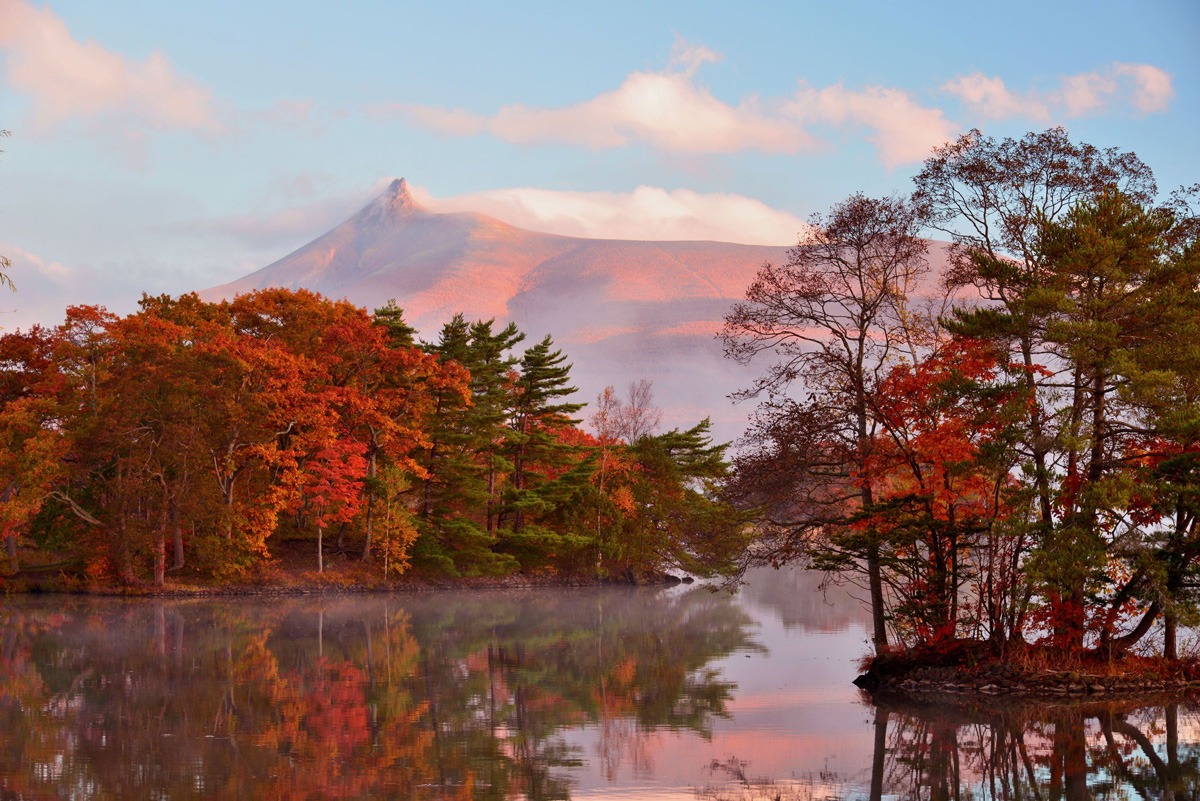
Hokkaido's autumn colours are among Japan's most spectacular
Day 5: Asahikawa to Biei and Furano
This is the day most visitors remember longest. The Biei and Furano area — roughly 30–60 minutes south of Asahikawa — is one of the most photographed landscapes in Japan.
Biei's Patchwork Road winds through rolling hills of wheat, potato, and sunflower fields, with farmhouses and lone trees creating compositions that look almost painted. The Shirogane Blue Pond, coloured an extraordinary turquoise by dissolved aluminium hydroxide, is a 20-minute drive from central Biei.
Furano, 30 minutes further south, is famous for its lavender fields (peak bloom: mid-July) and Farm Tomita, where rows of purple, pink, and white flowers stretch across the hillside. Outside lavender season, the area is still beautiful — poppies in June, sunflowers in August, and golden fields in September.
JapanMe Private Car Hire
The Best Way to Cover This Route
Biei and Furano are spread across a wide area with no convenient public transport between attractions. A private car with an English-speaking driver lets you stop wherever you want, whenever you want — no timetables, no transfers.
Day 6: Furano to Hakodate
The drive from Furano to Hakodate takes approximately 4–5 hours, passing through the interior of Hokkaido before descending to the Oshima Peninsula. This is a long day, but the scenery is consistently rewarding.
Hakodate is one of Japan's most historically significant port cities — one of the first to open to foreign trade in the 1850s. The Western-style architecture of the Motomachi district, the star-shaped Goryokaku fort, and the famous morning seafood market all reflect this unique history.
Arrive in time for dinner at the Hakodate morning market area (which, despite the name, also operates in the evenings) for fresh crab, sea urchin, and squid.
Day 7: Hakodate — Morning Market and Night View
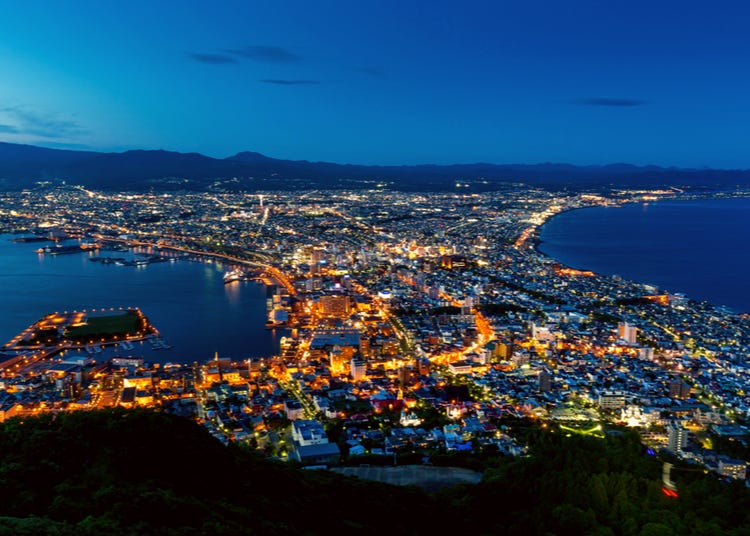
The night view from Mt Hakodate — one of Japan's three great night views
Start Day 7 early at Hakodate's famous morning market (朝市), which opens at 5am and is at its best before 9am. Fresh seafood bowls — particularly ikura (salmon roe) and uni (sea urchin) over rice — are the centrepiece.
Spend the morning exploring the Motomachi district on foot: the Old Public Hall, the Russian Orthodox Church, and the former British Consulate are all within walking distance of each other. The Goryokaku star fort, a 10-minute tram ride away, is worth an hour of your time.
If your flight allows, stay for the evening to experience the night view from Mt Hakodate — consistently ranked among Japan's three greatest night views. The ropeway runs until 10pm, and the panorama of the city's twin bays glittering below is genuinely unforgettable.
Practical Notes for This Itinerary
Getting around
This itinerary covers significant distances across Hokkaido. A private car hire is the most practical option — it gives you flexibility to stop at viewpoints, adjust timing, and carry luggage between hotels without the complexity of rental car navigation in Japanese.
Best season
This route works in all four seasons. Summer (June–August) offers lavender and flower fields. Autumn (September–October) brings spectacular foliage. Winter (December–March) transforms Niseko into a world-class ski destination. Spring (April–May) is quieter and beautiful.
Accommodation
Book accommodation in advance, particularly for Niseko in winter and Furano in July. Sapporo and Hakodate have a wide range of options at all price points. For a traditional experience, consider at least one night in a ryokan (Japanese inn) with onsen.
Ready to Plan Your 7-Day Hokkaido Trip?
JapanMe offers multi-day private car hire across all the destinations in this itinerary. Our English-speaking drivers know these routes intimately and can suggest stops, viewpoints, and restaurants that don't appear in guidebooks.